Quick answer
For most people, body-safe silicone is the best default for a soft packer or dilatateur because it balances durability, easy cleaning and skin comfort. If your priority is a softer, more budget-friendly feel, rubber or TPE can work, but they tend to wear faster and need more careful cleaning. If you want a handcrafted, skin-tone option with clear sizing, the SP7 / SOFT PACKER, SP5 / SOFT PACKER and SP9 / SOFT PACKER are silicone-based choices that give you a practical starting point.
Why material choice matters more than you think
Material affects how a packer or dilatateur feels against your skin, how long it lasts, and how much effort it takes to keep clean. Silicone is generally non-porous, so it resists trapping bacteria and odors, which is a real advantage for daily wear or repeated use. Rubber and TPE are often softer and cheaper, but they can degrade faster, absorb moisture, and may need powdering or more frequent replacement. For a dilatateur, the same logic applies: silicone gives you a smoother, more predictable glide, while rubber may feel tacky and break down sooner.
Silicone packers: the practical daily driver
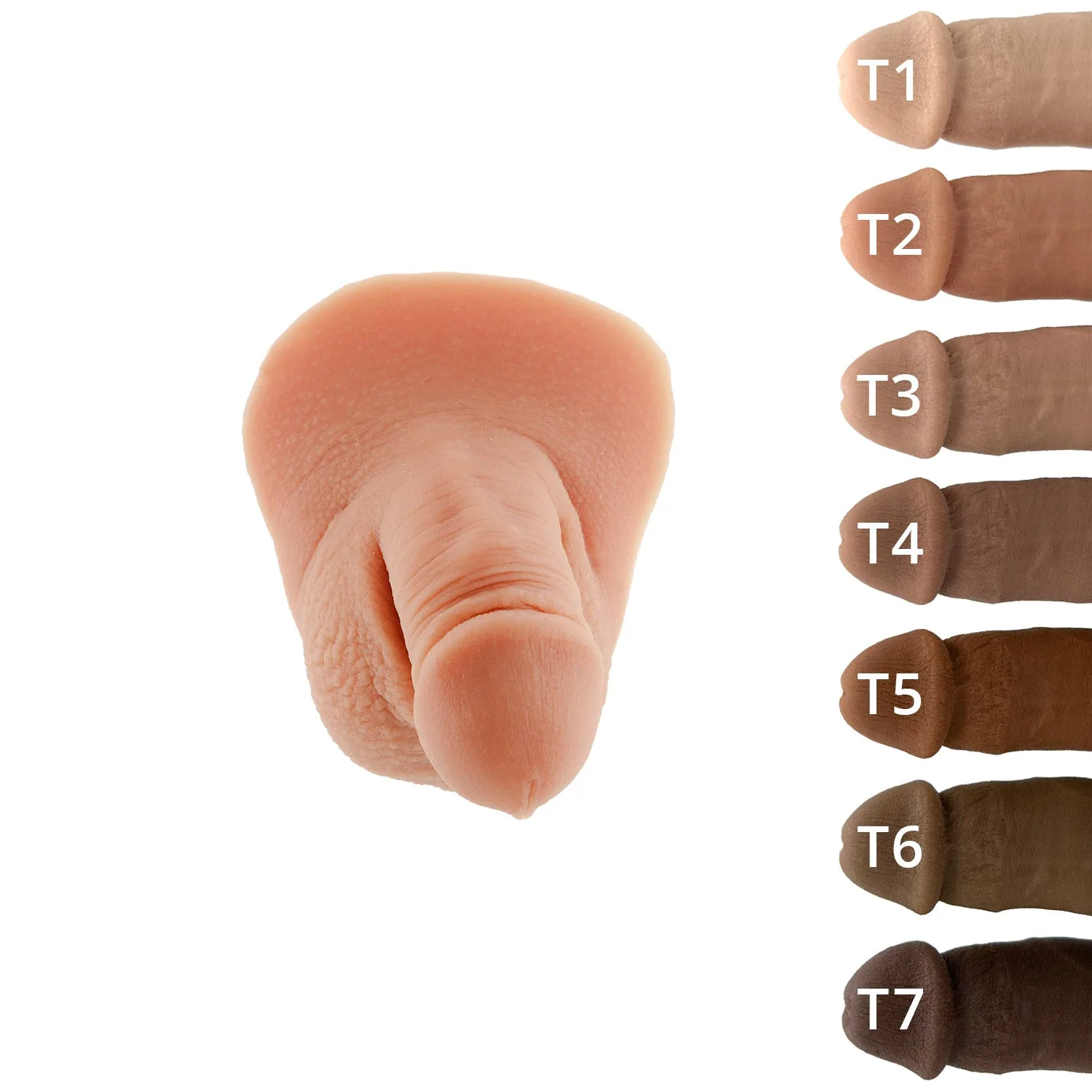
Silicone packers like the SP7, SP5 and SP9 are handmade and designed to help you feel more comfortable in your skin. They come in different sizes: the SP9 is small at 6 cm / 2.5 inches and 179 grams, the SP7 is medium at 9 cm / 3.5 inches and 201 grams, and the SP5 is large at 12 cm / 4.5 inches and 336 grams. All three are circumcised and available in skin tones. Silicone holds its shape well, cleans easily with mild soap and water, and does not usually need special storage. The trade-off is that silicone can feel firmer than rubber or TPE, and a larger silicone packer like the SP5 adds noticeable weight in your underwear.
Rubber and TPE: softer feel, shorter lifespan
Rubber and TPE are often chosen for a softer, more pliable feel and a lower upfront cost. They can be comfortable for short-term wear or if you are still figuring out your preferred size. However, these materials are usually porous, which means they can harbor bacteria and odors over time, especially if not dried thoroughly. They may also tear or lose shape faster, so you may replace them more often. If you choose rubber or TPE, clean it immediately after use, dry it completely, and store it away from heat and direct sunlight.
Dilatateur materials: silicone vs rubber
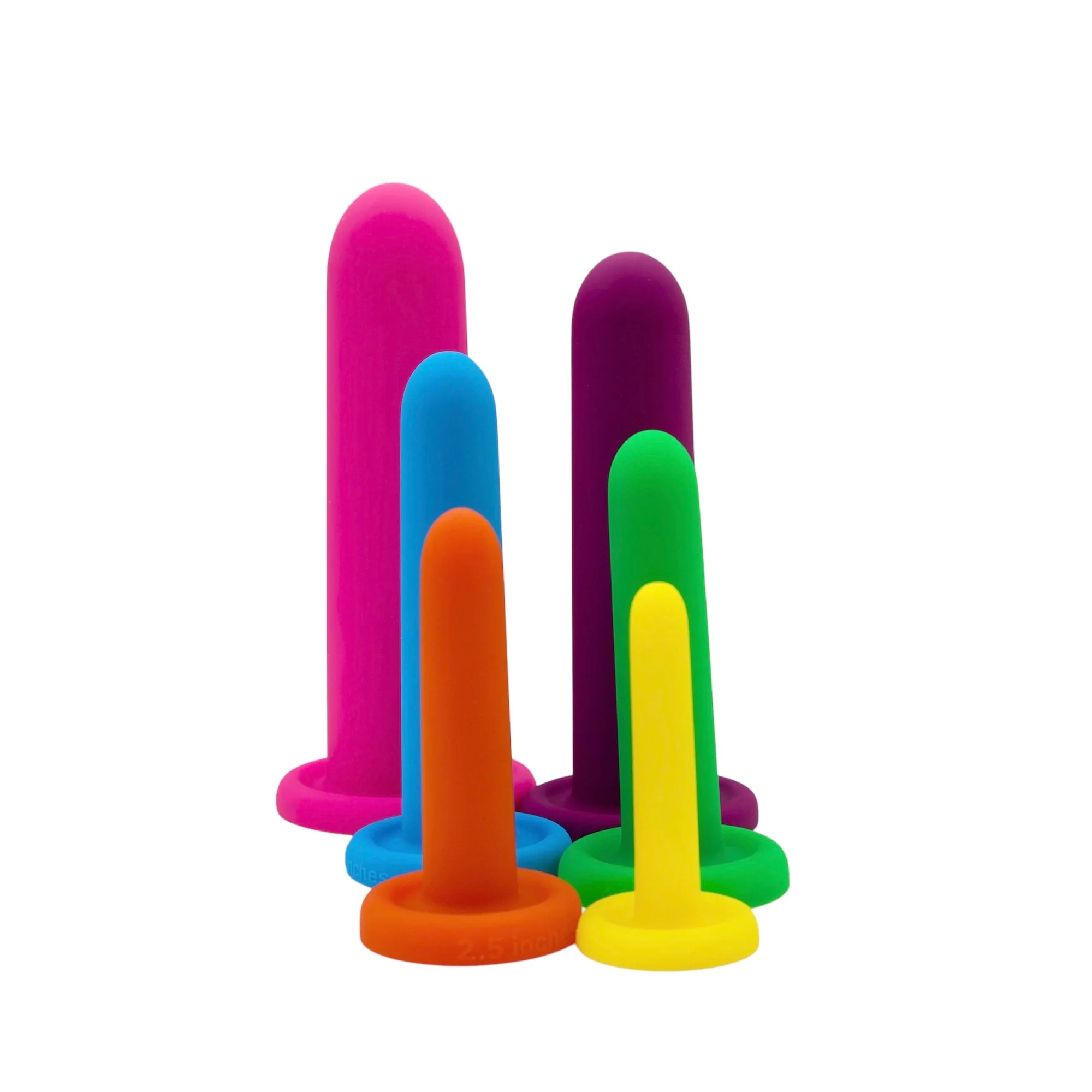
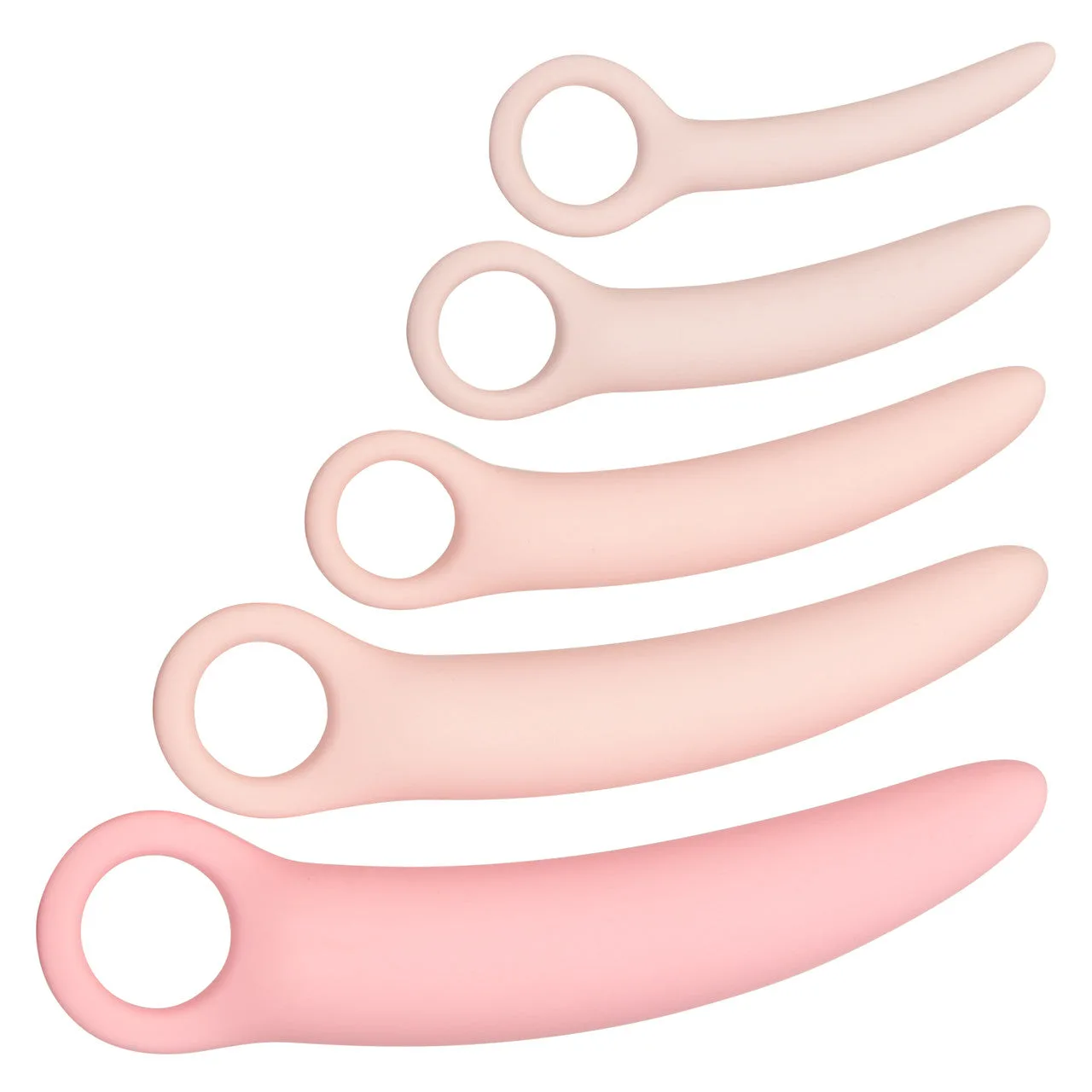
For dilatateurs, silicone is often the better long-term choice because it is smooth, non-porous and compatible with water-based lubricants. It also tends to hold its shape and stiffness better than rubber, which can become tacky or degrade with repeated cleaning. Rubber dilatateurs may feel softer initially, but they can absorb lubricant and become less hygienic over time. If you are comparing dilatateur silicone vs rubber, think about how often you will use it and how much time you want to spend on cleaning and replacement. Silicone usually wins on durability and ease of care, while rubber may appeal if you want a softer feel and lower initial cost.
How to choose based on your priorities
If you want a body-safe silicone packer that is easy to clean and built to last, start with a silicone option like the SP7, SP5 or SP9. If you need a stand-to-pee function and have had metaoidioplasty, the MT2 / PACKER META EXTENSION is specifically designed for that use, though it can also be worn without surgery. For dilatateurs, choose silicone if you value hygiene and durability, and consider rubber or TPE only if softness and lower cost matter more to you. Always check the size and weight before buying: a larger packer like the SP5 may feel too heavy for all-day wear, while the SP9 is lighter and more discreet.
Material trade-offs at a glance
- Silicone: Non-porous, easy to clean, durable, holds shape. Can feel firmer and costs more upfront. Best for daily wear and long-term value.
- Rubber / TPE: Softer, more flexible, lower initial cost. Porous, can degrade faster, needs careful drying and may need replacing sooner. Consider if softness and budget are top priorities.
- Dilatateur silicone vs rubber: Silicone glides smoothly with water-based lube and resists odor; rubber may feel softer but can become tacky and less hygienic over time. Choose silicone for hygiene and durability; rubber only if softness outweighs maintenance.
Product facts
- SP7 / SOFT PACKER: SP7 / SOFT PACKER: medium packing size, 9 cm / 3.5 inches length, 10 cm / 4 inches circumference, 201 grams, circumcised, available in skin tones. A middle-ground silicone packer that suits daily wear if you want a moderate size without the extra weight of a large packer.
- MT2 / PACKER META EXTENSION: MT2 / PACKER META EXTENSION: designed for people who have had metaoidioplasty and want to use the stand-to-pee function; can also be worn without surgery. Optional CocoNuts elastic band available. If STP capability is a priority, this is the only listed option with that function, and the optional band can improve comfort and movement.
- SP5 / SOFT PACKER: SP5 / SOFT PACKER: large packing size, 12 cm / 4.5 inches length, 12 cm / 4.5 inches circumference, 336 grams, circumcised, available in skin tones. The largest and heaviest silicone option here, so it gives more presence but may feel too bulky for some daily activities.
- SP9 / SOFT PACKER: SP9 / SOFT PACKER: small packing size, 6 cm / 2.5 inches length, 10 cm / 4 inches circumference, 179 grams, circumcised, available in skin tones. The lightest and smallest silicone packer listed, making it a good choice if you want a discreet feel or are new to packing.
Which material is right for you?
Best for
- Daily wear and easy cleaning: silicone packers like SP7, SP5 or SP9
- Stand-to-pee needs after metaoidioplasty: MT2 / PACKER META EXTENSION
- Dilatateur users who want hygiene and durability: silicone dilatateurs
- Discreet, lightweight packing: SP9 / SOFT PACKER
Not for
- Those who want the softest possible feel and lowest upfront cost: rubber or TPE may be a better fit
- People who need a very large packer but want minimal weight: consider a smaller silicone size or a different material
- Anyone who cannot commit to regular cleaning and drying: porous materials like rubber and TPE are not ideal