Quick answer
Choose the Panasonic LUMIX GH5M2 body if you already own Micro Four Thirds lenses or plan to invest in specialized glass. Choose the GH5M2 with 12-60mm lens kit if you need a single, ready-to-shoot setup for live streaming and 4K video without buying a lens separately.
Why the lens decision matters more than the camera
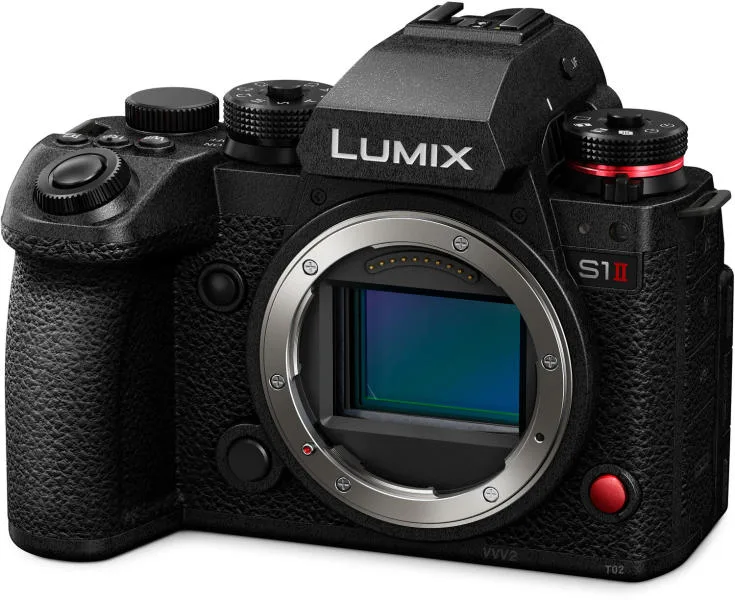
Both options share the same GH5M2 camera: a 20.3MP Micro Four Thirds mirrorless body with 4K 4:2:2 10-bit video, unlimited recording, 5-axis image stabilization, and live streaming via the LUMIX Sync app. The real difference is whether you get a lens in the box. That changes your total cost, your first-day experience, and how soon you can start streaming or shooting.
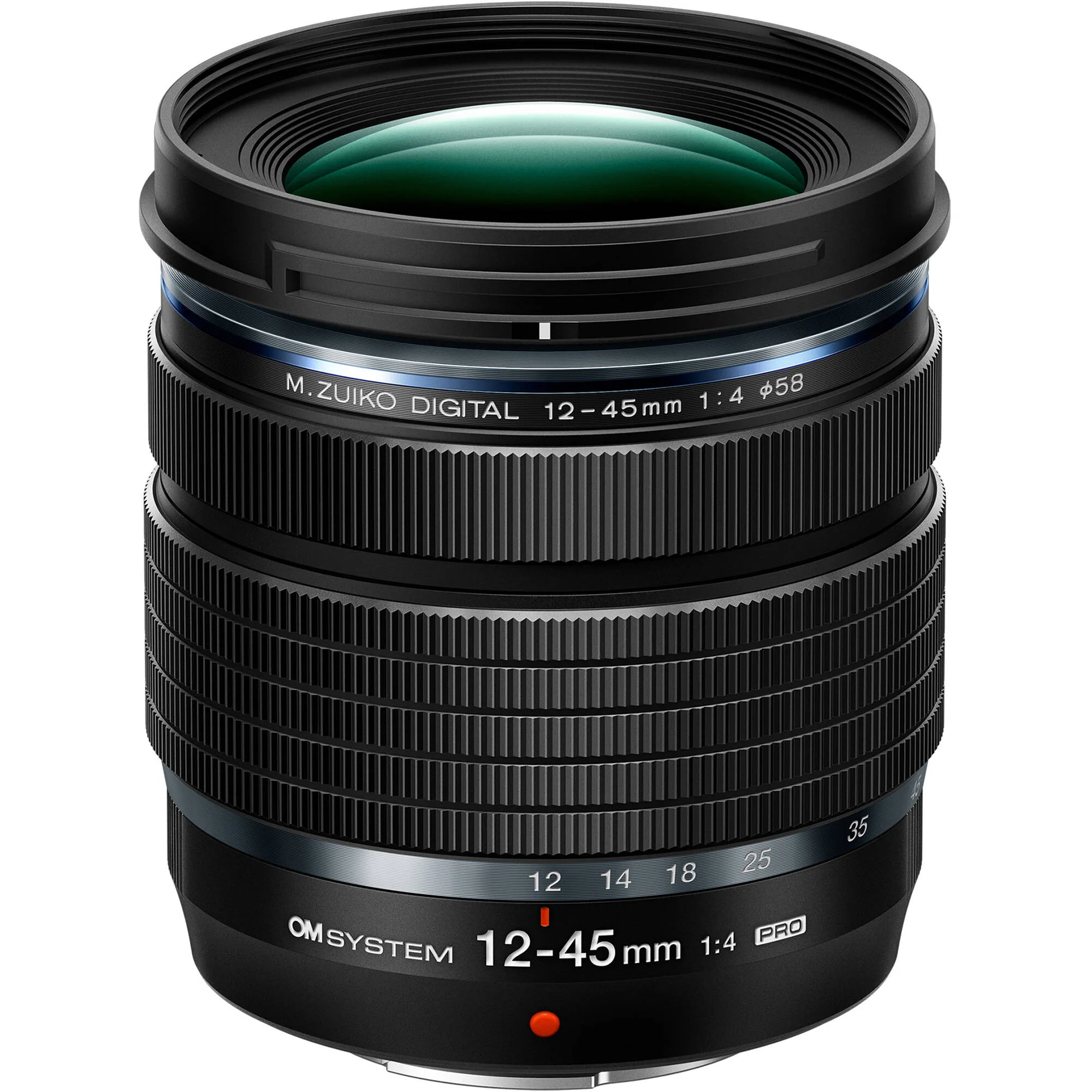
The 12-60mm kit lens covers a versatile zoom range, from wide-angle for streaming setups to short telephoto for portraits and details. If you don't already own a lens, the kit saves you the hassle of matching a separate lens to the camera and often costs less than buying the body and a comparable lens separately.
When the body-only option makes sense
If you already have Micro Four Thirds lenses—especially fast primes or specialized video glass—the body-only GH5M2 lets you put your budget toward the camera itself. You avoid paying for a kit lens you might not use, and you can pair the GH5M2 with the optics you trust for your workflow.
Body-only also appeals if you plan to rent or borrow lenses for specific projects. Since the GH5M2 supports live streaming and unlimited recording, you can build a streaming setup around a lens you already own without duplicating focal lengths.
When the 12-60mm kit is the smarter buy
The kit is the straightforward choice if you're starting from scratch or upgrading from a fixed-lens camera. You get a working camera and lens combination immediately, which is valuable for live streaming where you need to frame a shot and go live without hunting for a lens.
The 12-60mm range is flexible enough for talking-head streams, product close-ups, and general video. It also gives you a reference point: you can learn the camera's strengths before investing in more specialized lenses.
Decision rules: body or kit?
- You already own Micro Four Thirds lenses: Buy the GH5M2 body only. You'll save money and can use the lenses you already trust for your streaming and video work.
- You need a complete setup today: Buy the GH5M2 with 12-60mm lens kit. It's the fastest way to start shooting and streaming without a separate lens purchase.
- You're building a live streaming rig: If you plan to stream with the LUMIX Sync app, the kit lens gives you a versatile zoom for framing. If you already have a favorite streaming lens, go body-only. Check that your existing lens covers the focal length you need for your streaming framing.
- You want to grow into specialized lenses later: Start with the kit to learn the camera, then add primes or fast zooms as your needs become clearer. The body-only route makes sense if you already know exactly which lens you want.
Product facts
-
Panasonic LUMIX GH5M2, 20.3MP Mirrorless Micro Four Thirds Camera with Live Streaming, 4K 4:2:2 10-Bit Video, Unlimited Video Recording, 5-Axis Image Stabilizer DC-GH5M2: 20.3MP Mirrorless Micro Four Thirds camera with 4K 4:2:2 10-Bit video and unlimited recording. The body-only option suits users who already own compatible lenses and want maximum flexibility for video and streaming.

Panasonic LUMIX GH5M2, 20.3MP Mirrorless Micro Four Thirds Camera with Live Streaming, 4K 4:2:2 10-Bit Video, Unlimited Video Recording, 5-Axis Image Stabilizer DC-GH5M2
-
Panasonic GH5M2 Camera w/ 12-60mm Lens: GH5M2 camera bundled with a 12-60mm lens. The kit provides a complete shooting setup out of the box, which is ideal if you don't have a lens library yet.
Panasonic GH5M2 Camera w/ 12-60mm Lens
Panasonic GH5M2 Camera w/ 12-60mm Lens
Who should choose which
Best for
- Video shooters and live streamers who want a ready-to-use camera and lens combination (kit)
- Micro Four Thirds users with an existing lens collection who want the camera body only (body)
Not for
- Users who need a lens with a wider aperture than the kit lens for low-light streaming (consider body-only plus a fast prime)
- Beginners who want a point-and-shoot experience without learning interchangeable lenses (consider a fixed-lens camera)