Two Very Different Mirrorless Cameras
The Panasonic LUMIX S1RII and Canon EOS R10 are both mirrorless cameras, but they serve different photographers. The S1RII is a full-frame professional hybrid with a 44.3MP sensor, 8K video, and a robust build. The R10 is an entry-level APS-C model that emphasizes fast autofocus and 4K video at a much lower price. This comparison helps you decide which fits your needs and budget.
Key Specs at a Glance
-
Panasonic LUMIX S1RII Mirrorless Camera: The LUMIX S1RII is a state-of-the-art mirrorless camera aimed at professionals and enthusiasts who demand uncompromising image quality. With its newly designed high-performance engine powered by L² Technology, it pushes the boundaries of high-resolution photography and videography. The S1RII delivers top-tier resolution and dynamic range, making it ideal for studio, landscape, and commercial work.
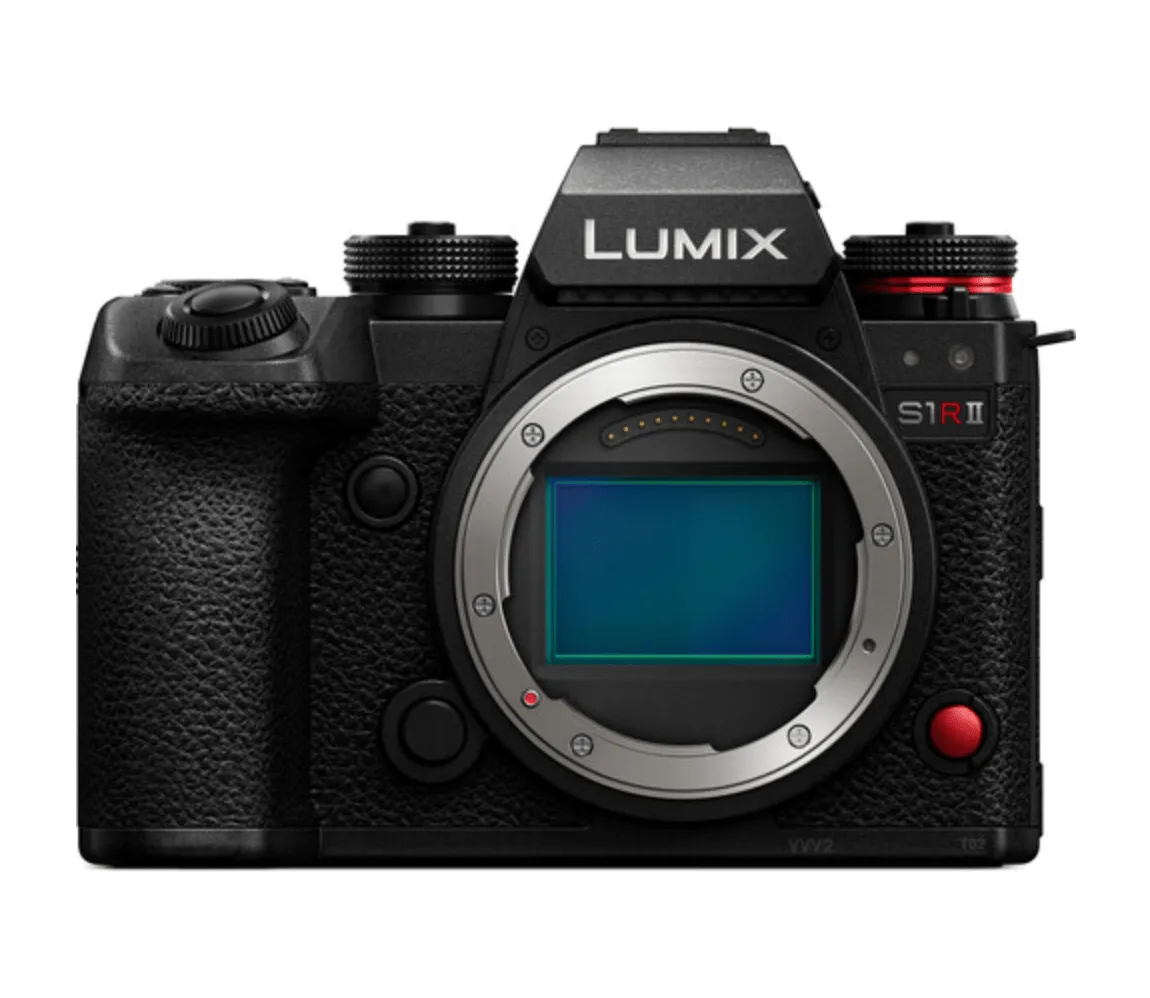
Panasonic LUMIX S1RII Mirrorless Camera
-
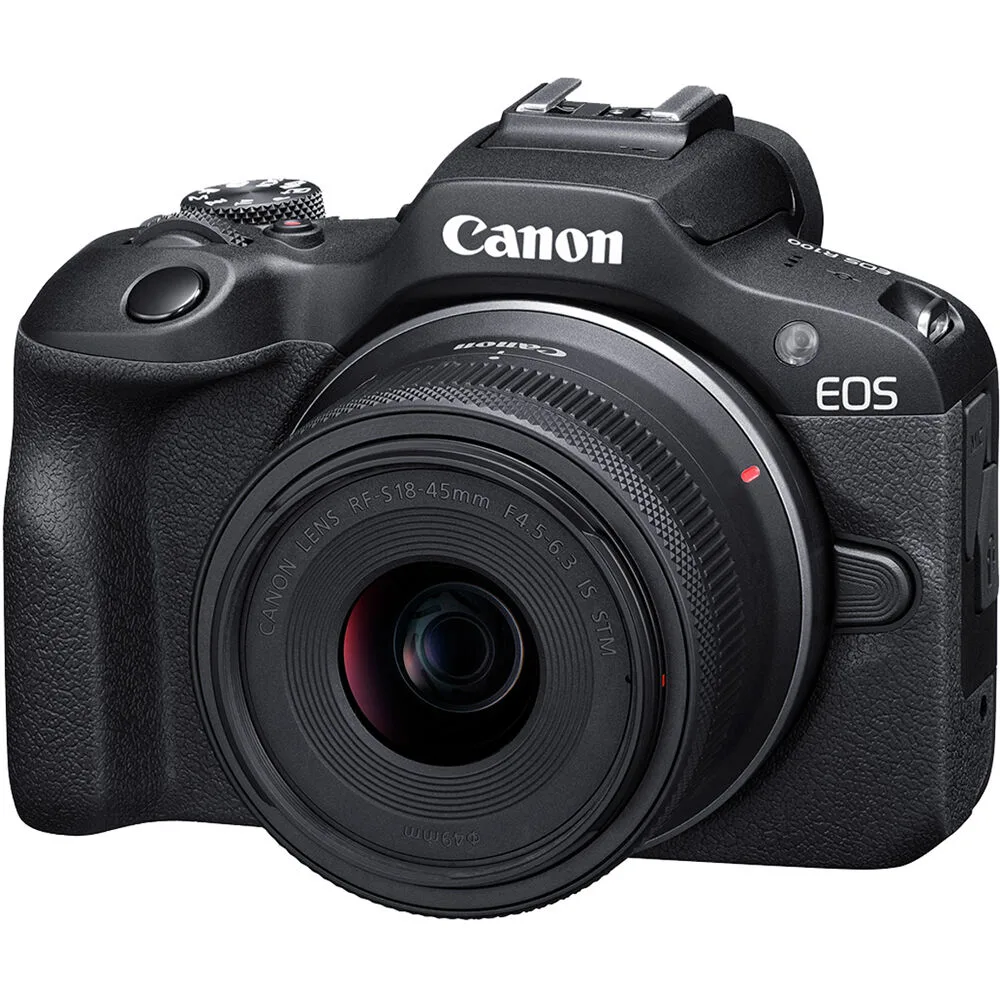
Canon EOS R10 Mirrorless Camera: The Canon R10 is a powerful and sophisticated camera that is perfect for anyone who wants to take stunning photos and videos. With its high sensitivity and nuanced image quality, it is able to capture beautiful shots in any situation, day or night. The R10 offers excellent image quality in a more affordable, compact body, great for beginners and hobbyists.
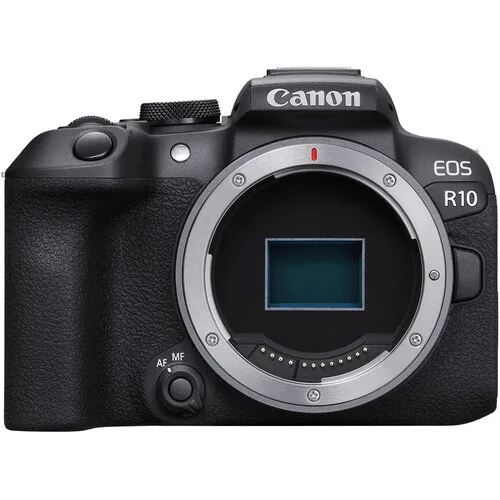
Canon EOS R10 Mirrorless Camera
Sensor and Resolution: Full-Frame vs APS-C
The biggest difference is sensor size and resolution. The Panasonic LUMIX S1RII uses a full-frame 44.3MP sensor, while the Canon EOS R10 uses an APS-C sensor (resolution not supplied). The S1RII's higher resolution and larger sensor give it an edge in detail, dynamic range, and low-light performance. However, the R10's APS-C sensor provides a crop factor that can extend the reach of telephoto lenses, which is useful for wildlife and sports photography.
- Panasonic LUMIX S1RII: 44.3MP full-frame sensor for exceptional detail and true-to-life tones. Handheld high-resolution mode for even greater clarity.
- Canon EOS R10: APS-C sensor with high sensitivity and nuanced image quality. Compatible with a full range of Canon lenses, including EF and RF.
Speed and Autofocus
Both cameras offer fast burst shooting and advanced autofocus, but they target different uses. The S1RII shoots at 40 fps with continuous autofocus (AFC), ideal for action and sports. The R10 has a 1/4000 second mechanical shutter and Dual Pixel CMOS AF with subject detection for people, animals, and vehicles. The R10's autofocus is particularly user-friendly for beginners.
- Panasonic LUMIX S1RII: AFC 40fps burst shooting for capturing fleeting action. Phase Hybrid AF with Advanced AI technology.
- Canon EOS R10: Dual Pixel CMOS AF with 5481 selectable zones, plus people, animal, and vehicle subject detection. Mechanical shutter up to 1/4000 second.
Video Capabilities
Video is a major differentiator. The S1RII records 8K video with wide dynamic range log, plus cinematic slow-motion. The R10 captures 4K video with DIGIC X processing and Movie Servo AF for smooth autofocus. If professional video is your priority, the S1RII is the clear choice. For casual or semi-pro 4K work, the R10 is more than capable.
- Panasonic LUMIX S1RII: 8K video recording with wide dynamic range log. Cinematic slow-motion and tools like False Color for precise exposure monitoring.
- Canon EOS R10: 4K video capture with DIGIC X image processor. Movie Servo AF for quick and accurate autofocus during video.
Build and Durability
The S1RII is built for extreme environments with a robust, weather-sealed body. The R10 is a more compact, consumer-oriented camera without supplied weather-sealing claims. If you shoot in harsh conditions, the S1RII is the more reliable tool.
- Panasonic LUMIX S1RII: Built to withstand the demands of extreme environments, ensuring reliability in tough conditions.
- Canon EOS R10: Compact and lightweight design. No supplied information about weather-sealing or extreme environment durability.
Price and Value
Price reflects the gap in features and target audience. The Panasonic LUMIX S1RII is priced at USD 2375.99 (comparison price USD 3299.99), while the Canon EOS R10 is USD 714.35 (comparison price USD 1099.00). The S1RII is a professional investment; the R10 is an affordable entry point into mirrorless photography.
Which One Should You Choose?
Choose the Panasonic LUMIX S1RII if you need the highest resolution, 8K video, and a rugged full-frame body for professional work. Choose the Canon EOS R10 if you want a capable, budget-friendly camera with excellent autofocus and 4K video for everyday photography and video. Both are excellent tools for their respective audiences.