Quick answer
Choose paper dolls for a child who loves pretend play and will happily spend 30 minutes on one figure with outfits. Choose paper chains for a child who wants fast visible progress, a group activity, or a decoration they can hang within minutes. If you are unsure, start with paper chains for ages 4-6 and paper dolls for ages 6 and up.
What each craft actually asks of a child
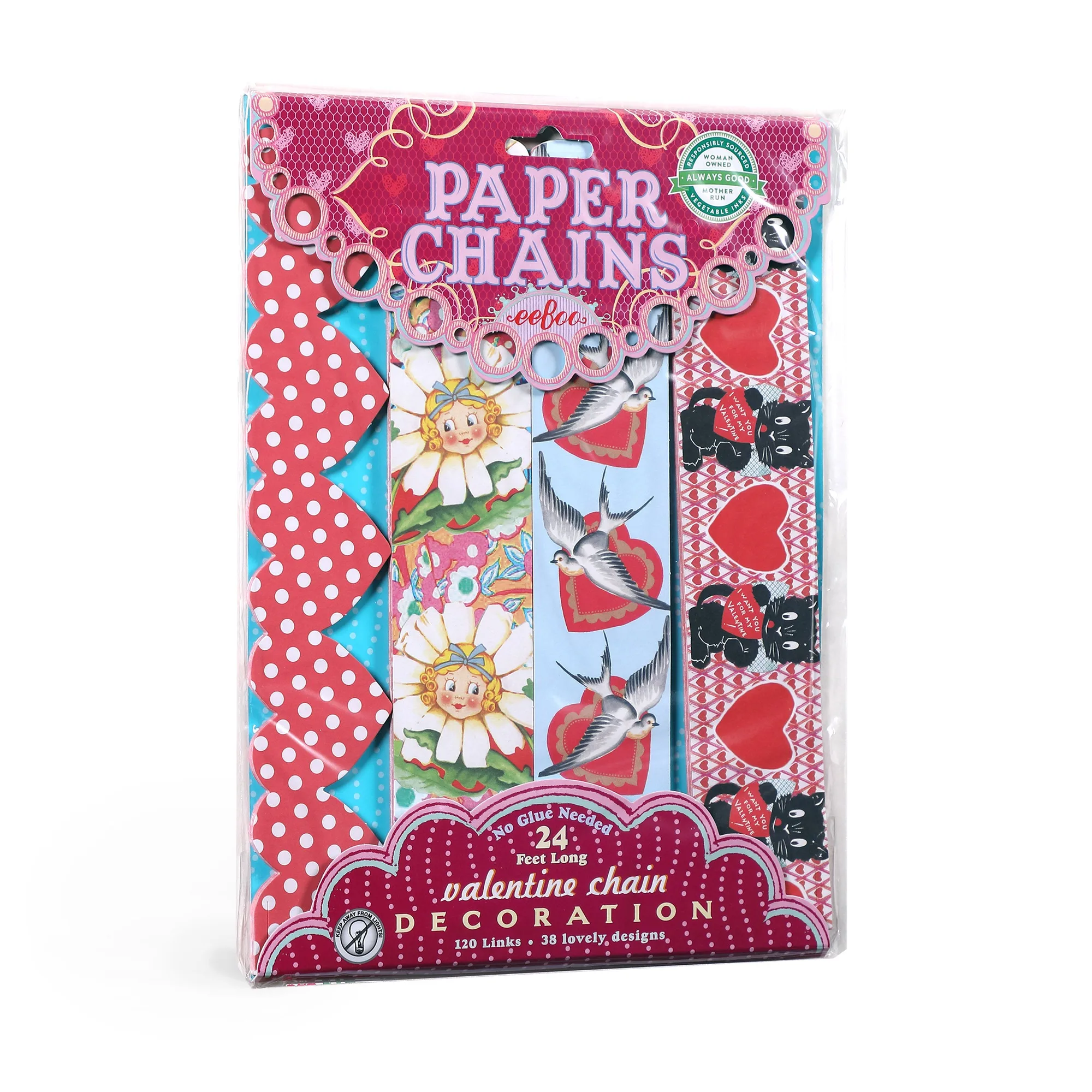
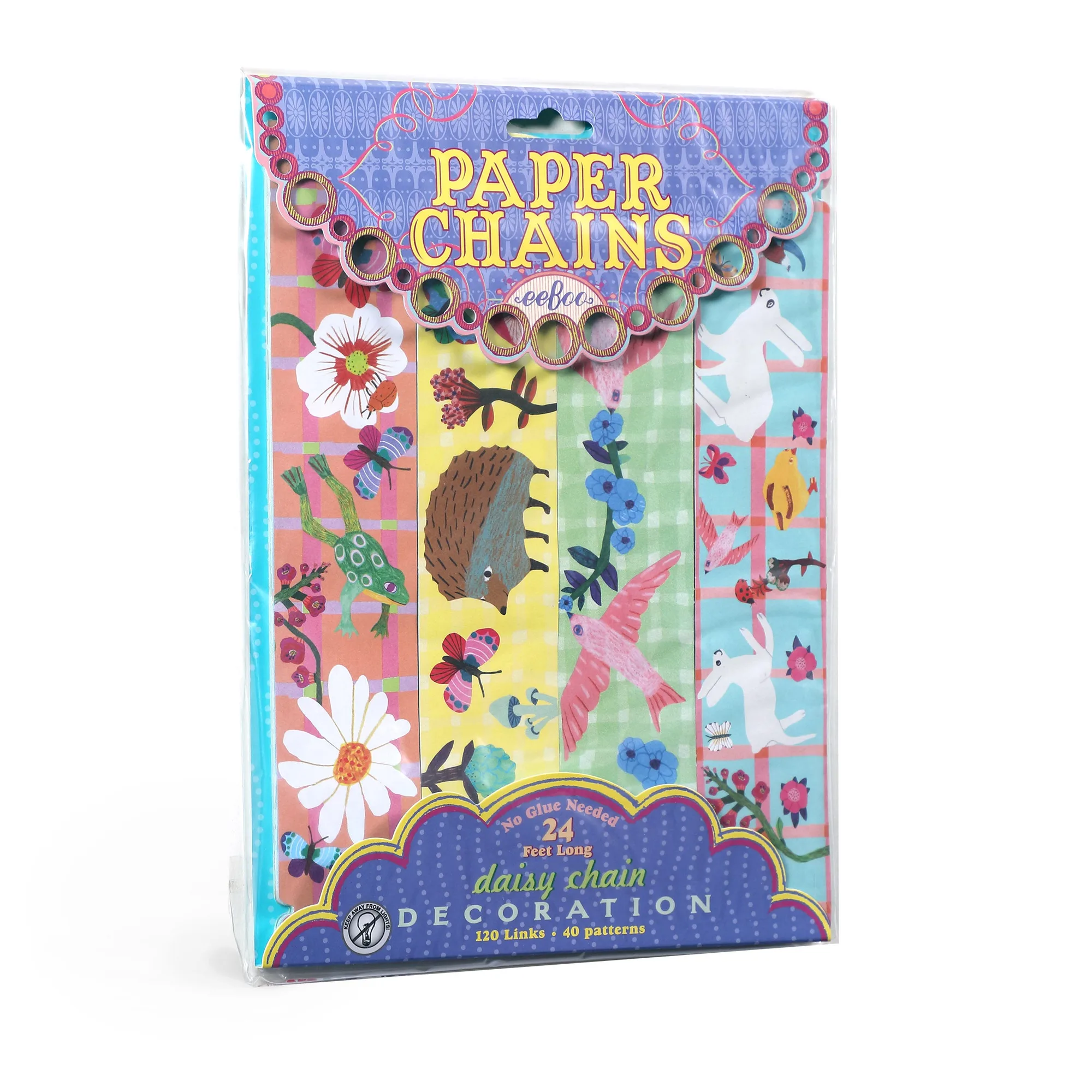
Paper dolls demand precision at the cutting stage and patience at the assembly stage. A child must cut around a figure, then cut out clothing tabs or slots, then dress the doll without tearing the paper. That sequence builds hand-eye coordination and bilateral coordination, but it also means a single mistake can end the play session. Paper chains are more forgiving: a child cuts straight strips, loops each strip, and glues or tapes it closed. The loop does not need to be perfect, and a torn strip can be trimmed and reused.
The attention profile is different too. Paper dolls reward sustained, quiet focus and often lead into narrative play once the doll is dressed. Paper chains reward repetition and rhythm, which suits children who like to see a pile of loops grow into something long and colorful. If your child loses interest when a task has no visible payoff for several minutes, chains will hold them longer.
Fine motor skills: which craft trains what
Both crafts use scissors, but they train different grips and angles. Paper dolls require curved cutting and tight turns, which strengthens the small muscles used for handwriting. Paper chains require straight, repeated cuts and then a pinch-and-loop motion with glue or tape, which builds pincer strength and hand dominance. For a child still learning to hold scissors, chains are the gentler entry point because the cut line is short and straight. For a child who has mastered straight lines and needs a challenge, dolls add curves and corners.
- Paper chains: straight cuts, loop-and-paste, good for ages 4-6
- Paper dolls: curved cuts, tab folding, better for ages 6-9
- Both: adult supervision with scissors, and a scrap bowl for offcuts
Quiet time versus group time
Paper dolls are a solo or pair activity. One child can dress a doll quietly for a long stretch, and two children can trade outfits if you print or draw multiples. Paper chains scale up: a table of six children can each cut strips in a different color and link them into one long chain. That makes chains the better choice for birthday tables, classroom stations, or a rainy afternoon with cousins. If you need a calm solo activity for a child who needs to decompress, dolls are the stronger pick.
Setup, mess, and storage
Paper dolls need a flat work surface, a small dish for tabs or brads, and a place to keep the finished doll flat so it does not crease. Paper chains need a glue stick or tape dispenser, a stack of pre-cut strips, and a hook or doorway to hang the finished chain. Chains create more loose offcuts, so keep a bag or bin nearby. Dolls create fewer scraps but more small pieces that can be lost, so a zip pouch helps. Both crafts store flat, which makes them easy to tuck into a folder between sessions.
How to extend either craft into a bigger project
If your child finishes a paper doll and wants more, encourage them to design a second outfit on a blank template, then color it with double-sided pencils so the doll has a front and back look. If your child finishes a paper chain, challenge them to build a pattern (two red, one yellow) or to measure how long the chain is and estimate how many more loops it needs to reach the floor. Both extensions turn a ten-minute craft into a longer session without buying anything new.
Trade-offs to weigh before you start
- Time to first result: A paper chain loop can be cut, glued, and hung in under a minute. A paper doll usually takes 15-30 minutes before the child has a dressed figure to play with. Pick chains for short attention windows, dolls for longer quiet stretches.
- Skill ceiling: Chains stay at the same difficulty no matter how many you make. Dolls get harder as you add outfits, tabs, and accessories, which keeps older children engaged longer. Chains suit mixed-age groups; dolls suit a single child who wants a challenge.
- Replay value: A finished paper doll can be re-dressed and used in pretend play for weeks. A finished paper chain is usually a decoration, and its play value ends when it is hung. If you want a toy, choose dolls. If you want a decoration or group activity, choose chains.
Supplies that support either choice
- Victoria's Double-Sided Pencils: 25 double-sided, artist-quality colored pencils with 50 colors in a tube illustrated by Victoria Ball, with silver foil design on each pencil. Double-sided pencils give you two colors per pencil, so a child can shade a paper doll outfit or color paper chain strips without hunting through a large box. The tube keeps the set contained between sessions.
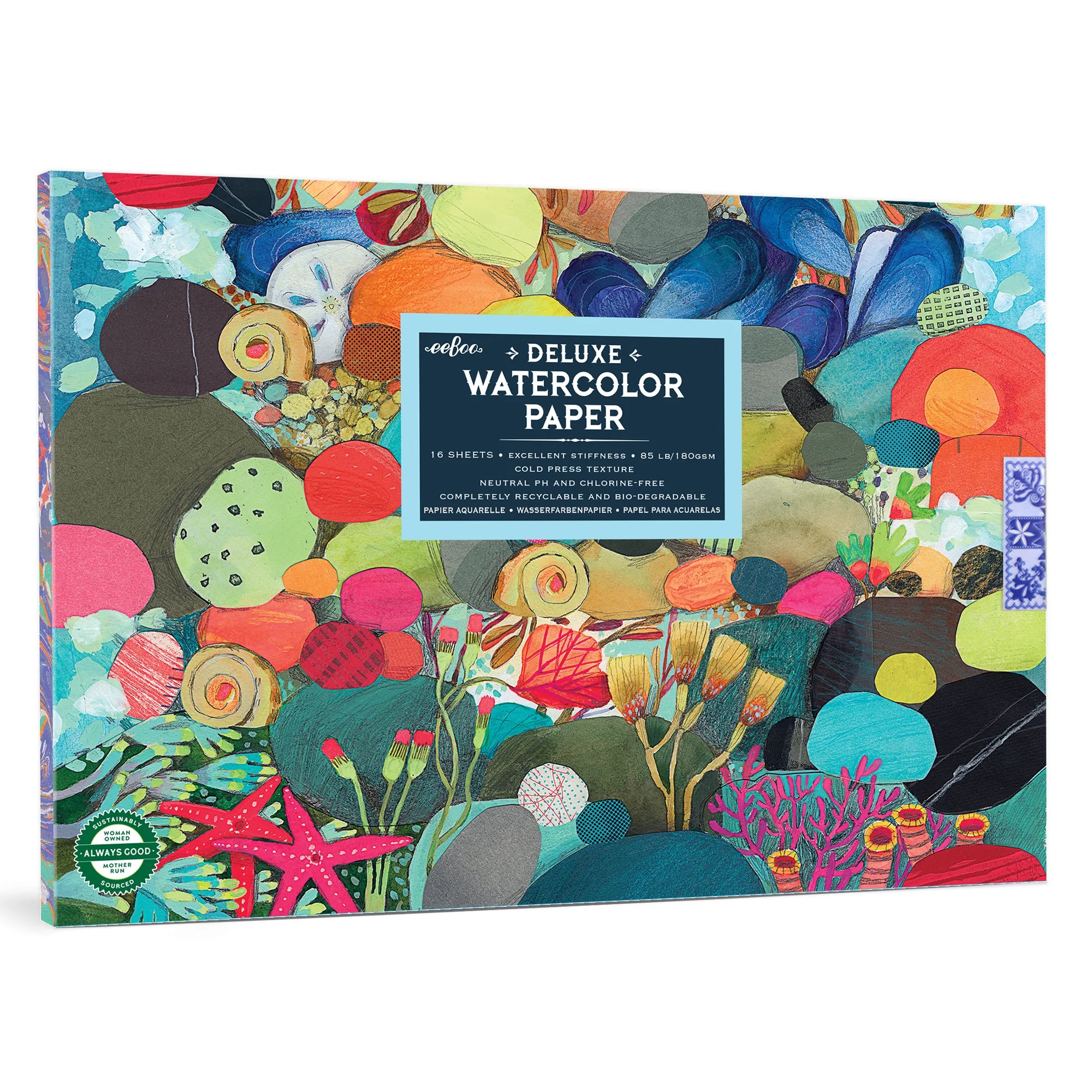
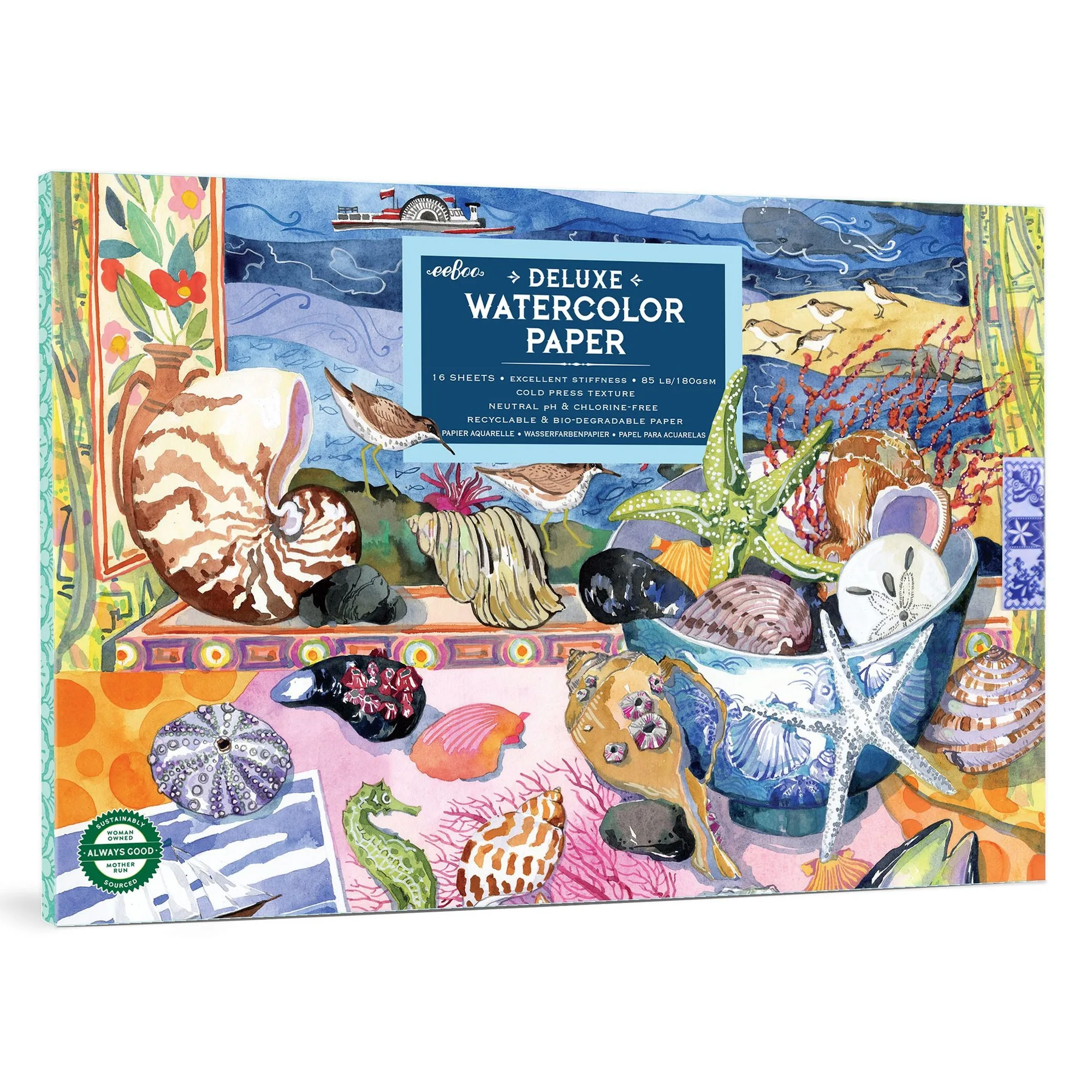
- Tidepool Watercolor Pad: Tidepool Watercolor Paper Pad with 16 sheets of 200 GSM/85 LB, natural pH and chlorine-free paper, sized 9.5 x 6.5 inches. The 9.5 x 6.5 inch sheet size is small enough for a child to fill in one sitting, and the heavier 200 GSM paper holds up to watercolor without buckling, which matters if your child wants to paint paper doll dresses or chain strips instead of coloring them.
Which craft fits your child?
Best for
- A child who enjoys pretend play and will return to the same doll with new outfits
- A quiet solo activity for ages 6-9 who can handle curved cutting
- A parent who wants a craft that stores flat and can be paused mid-project
Not for
- A child under 5 who is still learning to hold scissors safely
- A group of children who need a fast, low-mess activity with a visible result in minutes
- A child who loses interest when a task has no immediate payoff