Quick Answer
A pre-cut kit usually saves cutting time, but a paper pattern gives you more control over fabric and design. If your priority is speed and you like the kit's fabric, choose the kit. If you want flexibility or already have fabric, a paper pattern like Cutie Patootie Quilt or Lillian & Oliver Quilt is often the better fit.
What You Actually Do With Each Option
A paper pattern provides instructions and templates; you select and cut all fabric yourself. A pre-cut kit includes pattern instructions plus pre-cut fabric pieces, so you skip most or all of the cutting stage. The time difference is real but depends on quilt size and complexity. For a small baby quilt, cutting might take an afternoon; for a larger quilt, it can take days. Kits remove that step but lock you into the included fabric.
Where Each Option Saves or Costs Time
Kits save time on fabric selection, cutting, and sometimes piecing layout. Paper patterns save time on shopping if you already have a stash, and they let you start immediately without waiting for a kit to ship. However, you will spend time cutting and may need to buy specific tools like a rotary cutter and mat. Neither option eliminates sewing time; both require piecing and finishing.
Fabric Choice and Design Control
With a paper pattern, you choose every fabric, so you can match a nursery theme, use scraps, or substitute different prints. Kits come with a curated fabric selection, which is convenient but limits personalization. If you enjoy the design process or need specific colors, a paper pattern is more flexible. If you trust the kit designer's fabric choices, a kit reduces decision fatigue.
Cost Considerations Over Time
Kits often cost more upfront because they include fabric, but they can be cost-effective if you don't have a stash. Paper patterns are cheaper initially, but you'll spend more on fabric and supplies. For example, the Cutie Patootie Quilt pattern is $7.00 (compared to $10.00), and the Lillian & Oliver Quilt pattern is $7.40 (compared to $10.00). If you already own suitable fabric, a paper pattern is the lower-cost route.
Trade-Offs at a Glance
- Time to Start: Kits let you start sewing almost immediately because fabric is pre-cut. Paper patterns require fabric selection and cutting before you sew. Choose a kit if you want to dive in fast; choose a pattern if you enjoy the prep stage.
- Fabric Control: Paper patterns give you full control over fabric choices, while kits limit you to the included fabrics. If you have a specific color scheme or a fabric stash, a paper pattern is more flexible.
- Upfront Cost: Paper patterns cost less initially, but you'll buy fabric separately. Kits cost more upfront but include fabric. Compare total project cost: if you already own fabric, a pattern is cheaper; if not, a kit may be simpler.
Product Facts
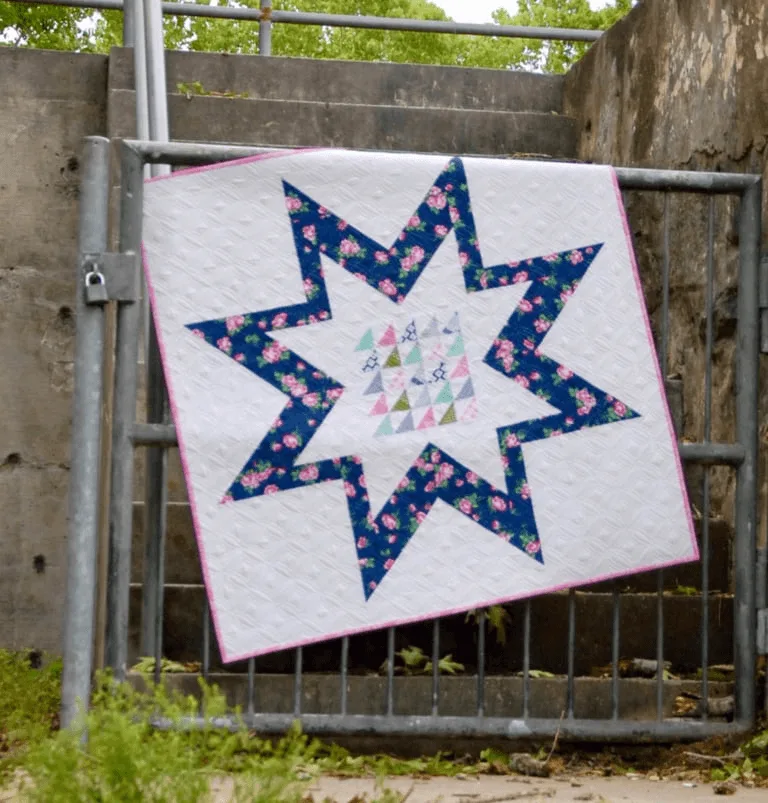
- Cutie Patootie Quilt - Paper Pattern: Cutie Patootie Quilt is a paper pattern from Kati Cupcake that makes a 44" x 44" quilt. This size is manageable for a baby or lap quilt, and the paper format means you choose and cut your own fabric, which adds time but allows customization.
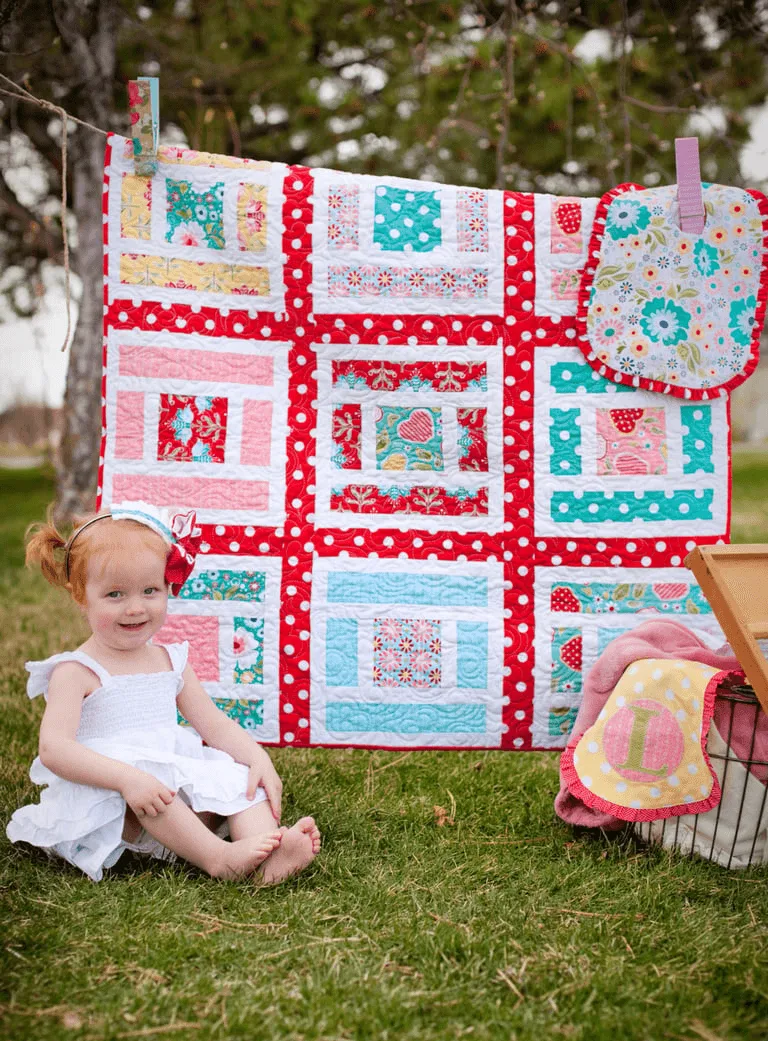
- Lillian & Oliver Quilt - Paper Pattern: Lillian & Oliver Quilt is a paper pattern that includes instructions for a baby quilt, a burp cloth, and a bib set, with a finished quilt size of 42" x 42". This pattern gives you multiple projects from one purchase, but you still need to cut fabric yourself. It's a good value if you want matching accessories.
Which Should You Choose?
Best for
- Quilters who want to finish a project quickly with minimal prep
- Those who prefer a curated fabric selection and don't want to shop for fabric
- Beginners who want clear instructions and pre-cut pieces
Not for
- Quilters who have a fabric stash they want to use
- Those who want to personalize fabric choices or substitute prints
- Quilters who enjoy the cutting and design process