Quick answer
Choose a paper planner if you want fewer notifications, better recall of what you write, and a single place for tasks and notes. Choose a digital calendar if you share schedules with other people, need reminders that reach you anywhere, or juggle frequent changes. Many people get the best results from a hybrid system: digital for shared logistics, paper for daily focus.
Most planning advice assumes you should pick one system and commit. In reality, the paper planner vs digital calendar question is less about which tool is better and more about which one matches how your days actually work. A shared family calendar and a personal notebook solve different problems, and forcing one to do both jobs is where planning systems tend to break down.
This comparison looks at what each option does well, where each one creates friction, and how to combine them without duplicating effort. You will also find fit guidance for busy parents, students, freelancers, and anyone who has abandoned a planner or a calendar app before.
How paper planners and digital calendars differ in daily use
A paper planner is a closed system. What you write stays where you put it, there are no notifications competing for attention, and the act of writing something down engages memory more than typing it. A digital calendar is an open, connected system. It syncs across devices, sends reminders, and lets other people add or change events. Those are genuinely different strengths, not just preferences.
The practical difference shows up in how you handle change. A digital calendar absorbs last-minute shifts without erasing the original plan, while a paper planner requires you to cross out and rewrite. For some people that friction is a feature; it forces a conscious decision. For others it is the reason the planner gets abandoned by February.
- Paper wins on focus and recall; digital wins on sharing and reminders.
- If your schedule changes hourly, digital will feel lighter.
- If your schedule is mostly yours, paper will feel calmer.
Where a paper planner earns its place
Paper planning benefits are strongest when you need to think, not just schedule. A planner gives you space for tasks, notes, and priorities in one spread, so you are not switching between apps to understand your day. For busy parents, that single view matters: school forms, appointments, and work deadlines sit together instead of scattered across shared calendars and email.
A dated planner also creates a natural archive. Flipping back through previous weeks shows what actually happened, which is hard to replicate in a calendar app that hides past events. If you like reviewing your habits or tracking recurring tasks, paper has an advantage that digital tools rarely match without extra setup.
- Keep the planner open on your desk so it stays part of your routine.
- Use the monthly spread for the big picture and the weekly spread for daily tasks.
- If you share logistics with a partner, treat the paper planner as your personal layer, not the family source of truth.
Where a digital calendar wins
Digital calendar pros and cons are easier to see when you share your schedule. Invites, reminders, and time zone handling are solved problems in calendar apps. If you coordinate with a partner, a team, or a school, a shared digital calendar removes the need to relay changes manually. That alone makes it the better choice for family logistics.
The trade-off is fragmentation. A calendar app holds events well but handles tasks, notes, and reflection poorly. Many people end up with a calendar, a task app, and a notes app that do not talk to each other. The result is a system that looks organised but requires constant switching, which is where the best way to stay organised often gets lost.
- Use one shared calendar for anything involving other people.
- Set reminders only for events that genuinely need them, or you will start ignoring them.
- Review your digital calendar weekly so it does not become a graveyard of stale invites.
The hybrid planning system that actually holds up
A hybrid planning system uses digital for shared logistics and paper for personal focus. The split is simple: anything another person needs to see goes in the calendar app; anything only you need to act on goes in the planner. This avoids double entry because the two tools are not trying to store the same information.
The failure mode is trying to mirror everything in both places. If you copy every event into your planner, you will stop maintaining one of them within a month. Instead, use the planner for the day's priorities and the calendar for the day's appointments, and let each tool do the job it is good at.
- Morning: check the digital calendar for appointments, then write your top three tasks in the planner.
- Evening: close the planner and confirm tomorrow's shared events in the calendar app.
- Weekly: reconcile the two in one ten-minute session rather than checking both all day.
Choosing based on your routine, not your intentions
The right choice depends on how often your plans change and how many people depend on knowing them. If you work alone, control your own schedule, and want to reduce screen time, a paper planner is the simpler system. If you coordinate with others daily, a digital calendar is non-negotiable, and adding a planner on top only makes sense if you use it for focus rather than duplication.
Consider the physical format too. A planner with a horizontal layout gives you more room for task lists and notes across a spread, while a vertical layout suits time-blocking. If you have tried planners before and quit, the issue is often the layout rather than the habit itself.
- Track one week of how often your plans change before deciding.
- If you share more than three recurring events a week, keep a digital calendar.
- If you write to remember, keep some paper in the system even if the calendar stays digital.
Trade-offs to weigh before you commit
- Paper planner: focus vs. sharing: Writing by hand supports recall and keeps your day in one view, but nothing syncs and no one else can see your plan unless you tell them. Choose paper if your schedule is mostly yours and you want fewer notifications.
- Digital calendar: reach vs. fragmentation: Reminders and shared invites work everywhere, but tasks and notes often end up in separate apps that do not connect to the calendar. Choose digital if coordination matters more than a single view.
- Hybrid: clarity vs. maintenance: Splitting shared logistics from personal focus reduces duplication, but it only works if you keep the two layers clearly separate. Choose hybrid if you already use both tools but feel scattered.
Two paper options that support a hybrid routine
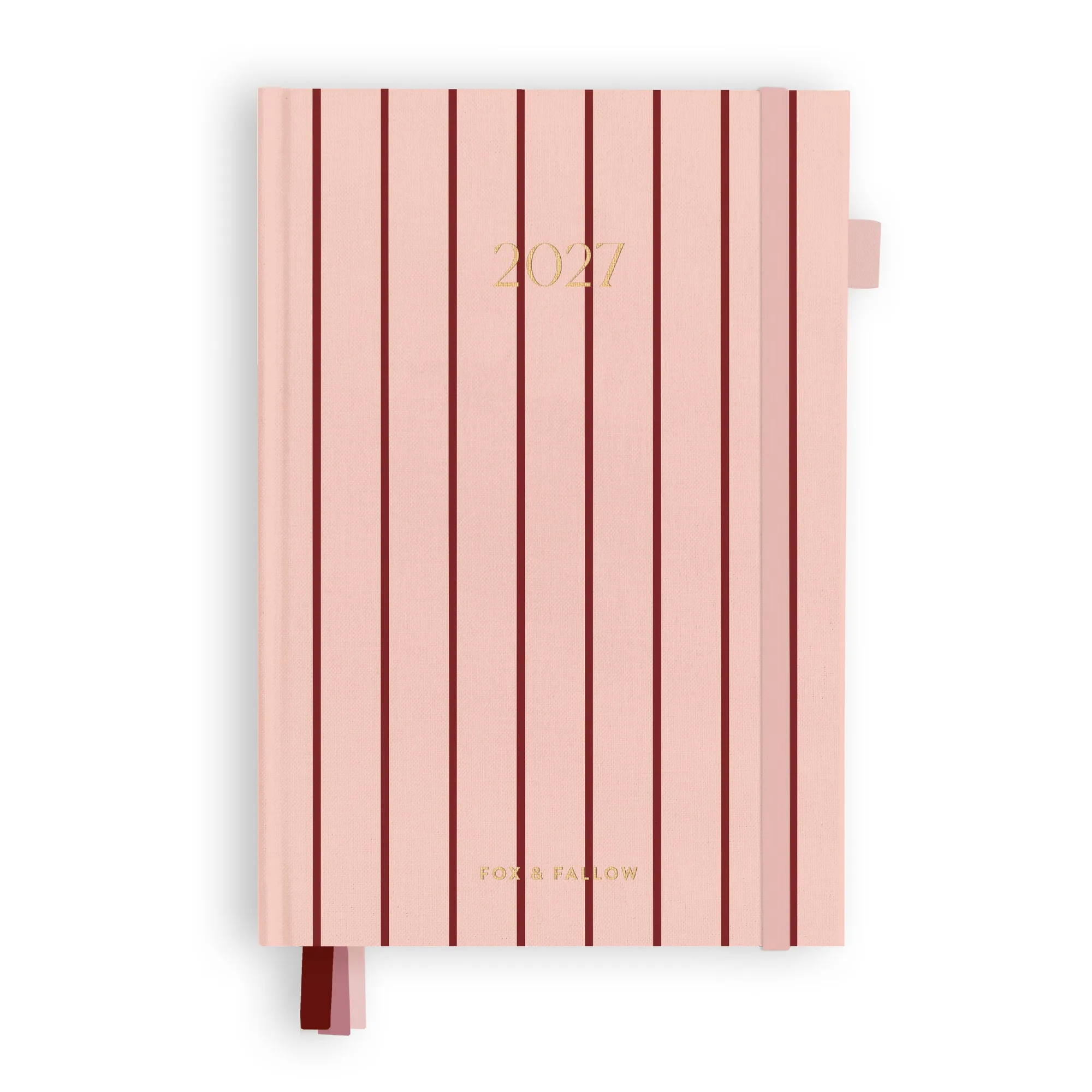
- 2027 A5 Horizontal Planner - Rosé Pinstripe - PRE-ORDER (25 SEPTEMBER): Our best-selling A5 planners are back in 2027 with the horizontal layout you know and love, and a new planning system designed to simplify your life. The planning system is split into two halves, for your left and right brain. The horizontal layout gives you wider lines for tasks and notes, which suits a hybrid system where the planner holds priorities rather than a full appointment grid.
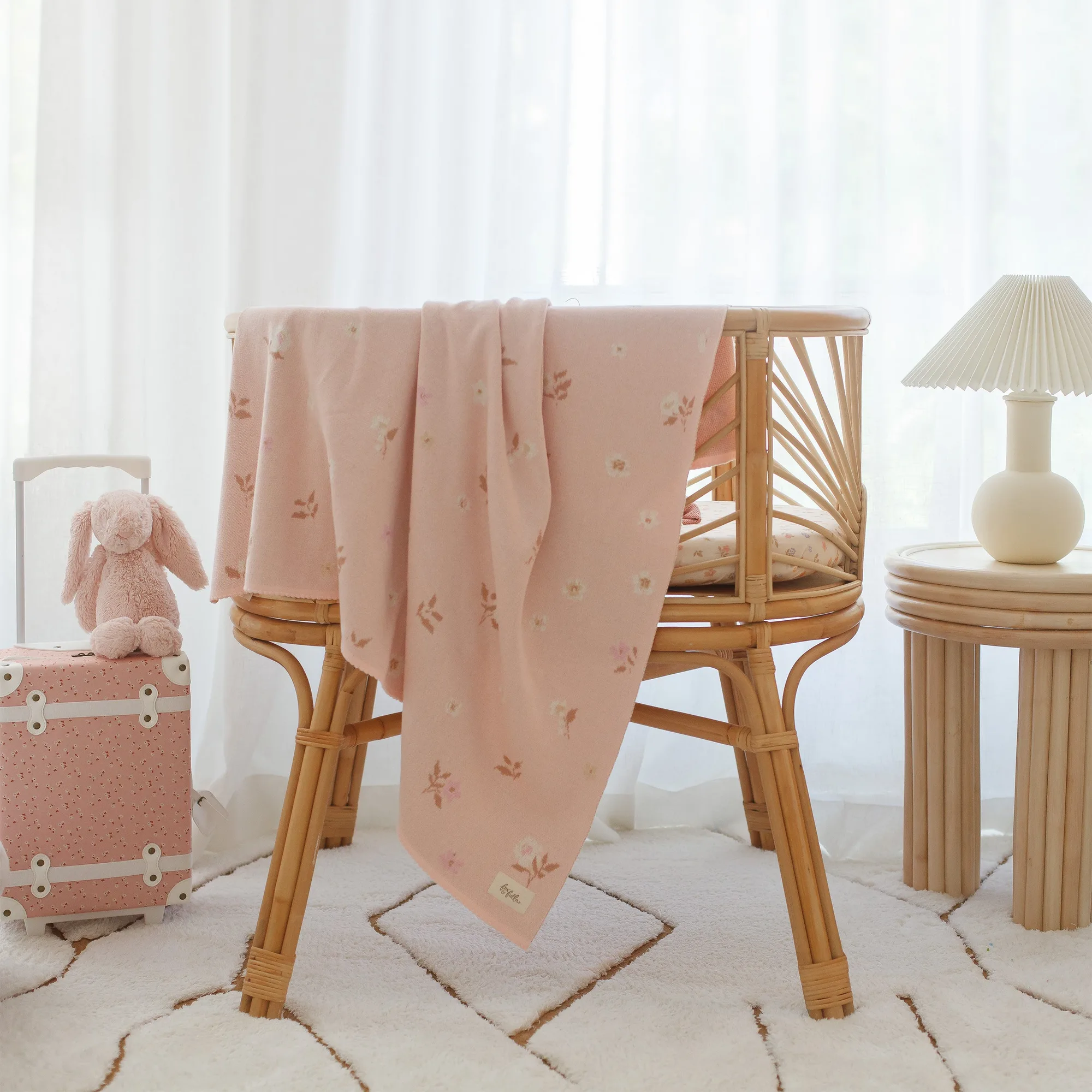
- Dusty Roses Blanket: Super soft and extra cosy, our luxe knitted blankets are crafted in 100% cotton and their generous sizing of 100x100cm makes them perfect for babies, toddlers and children of all ages. A practical example of a purchase that supports a calmer routine, useful if you plan around nap times or quiet evening planning sessions.
Which system fits your routine?
Best for
- Solo workers, students, and creatives who control their own schedule and want less screen time.
- Busy parents who need one place for personal priorities, school tasks, and daily notes.
- Anyone who has tried calendar apps for tasks and found them too fragmented.
Not for
- People who share most events with a partner, team, or school and need live updates.
- Anyone whose schedule changes multiple times a day and who dislikes rewriting.
- Users who want automatic reminders and cross-device sync without manual entry.
There is no single winner in the paper planner vs digital calendar debate, because the two tools solve different problems. Use a digital calendar for anything shared or time-sensitive, and use paper for the priorities you need to remember and act on. If you want a paper layer that supports that split, the 2027 A5 Horizontal Planner - Rosé Pinstripe is built for exactly that kind of daily focus.