Quick Answer
Choose a paper quilt pattern if you want a printed reference you can mark up, keep on the cutting table, and share with a friend. Choose a PDF quilt pattern if you want instant access, reprintable templates, and the ability to enlarge pieces without a trip to the copy shop. Many quilters keep both: a printed pattern for the project in progress and PDFs for patterns they sew repeatedly.
The pattern format you buy affects more than the price on the listing. It changes how you cut, how you store instructions, and how easily you can share a design with a quilting friend. Paper quilt patterns and PDF quilt patterns both get you to the same finished quilt, but they ask different things of your printer, your workspace, and your patience.
This comparison looks at what each format actually gives you, using a real printed pattern as a reference point. It also covers the small accessories that make either format easier to live with, so you can decide before you add another pattern to your cart.
What You Get With a Printed Quilt Pattern
A printed quilt pattern arrives as a physical booklet or folded sheet. You can open it on the cutting table, write notes in the margin, and leave it there between sewing sessions without worrying about a screen going dark. There is no printing step, no taping together pages, and no guessing whether your printer scaled the templates correctly.
The trade-off is storage and replacement. Paper patterns take up shelf or bin space, and if you lose a page or spill coffee on it, you cannot simply reprint it. You also pay for shipping and wait for delivery, which matters when you want to start cutting tonight.
- Keep printed patterns in a clear sleeve or binder so loose pages stay together.
- Write your fabric choices and cutting notes directly on the pattern cover for next time.
What You Get With a PDF Quilt Pattern
A PDF quilt pattern is a file you download and print at home or send to a copy shop. You get instant access, and you can reprint a page if it gets damaged. Many PDFs include templates you can print at 100 percent or enlarge for different quilt sizes, which is useful when you want to scale a block up or down.
The trade-off is setup work. You need a printer, paper, and the discipline to check that your print settings are not shrinking the templates. Taping together large template pages takes time, and a PDF on a phone screen is awkward to follow while you are standing at the ironing board.
- Always print a one-inch test square before cutting fabric from a PDF template.
- Store PDFs in a labeled folder on your device so you can find them without searching your email.
Cost, Sharing and Storage Compared
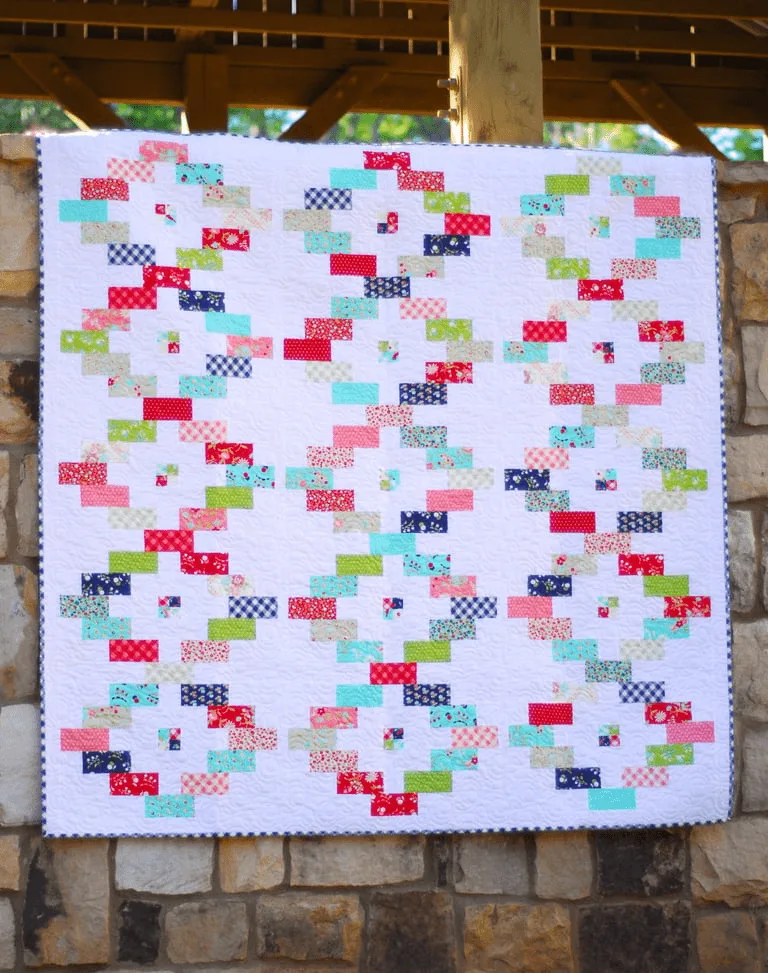
Printed patterns usually cost more up front because you are paying for paper, printing, and shipping. A pattern like Play Date - Paper Pattern shows this clearly: it is listed at USD 5.00 against a comparison price of USD 9.99, and it includes a finished quilt size of 65-1/2" x 65-1/2" with jelly roll friendly instructions. That is a complete printed reference for a large quilt at a modest price.
Play Date - Paper Pattern
PDFs often cost less because there is no physical production or shipping, but you supply the paper and ink. Sharing is where the formats really diverge. You can hand a printed pattern to a friend, but most PDFs are licensed for one user, so passing the file along is not the same as lending a booklet. Storage follows the same pattern: paper needs shelf space, while PDFs need a backup plan so a lost device does not mean a lost pattern.
- Check the pattern listing for finished size and pre-cut compatibility before buying either format.
- If you sew with a friend, a printed pattern is easier to share legally than a PDF.
Accessories That Work With Either Format
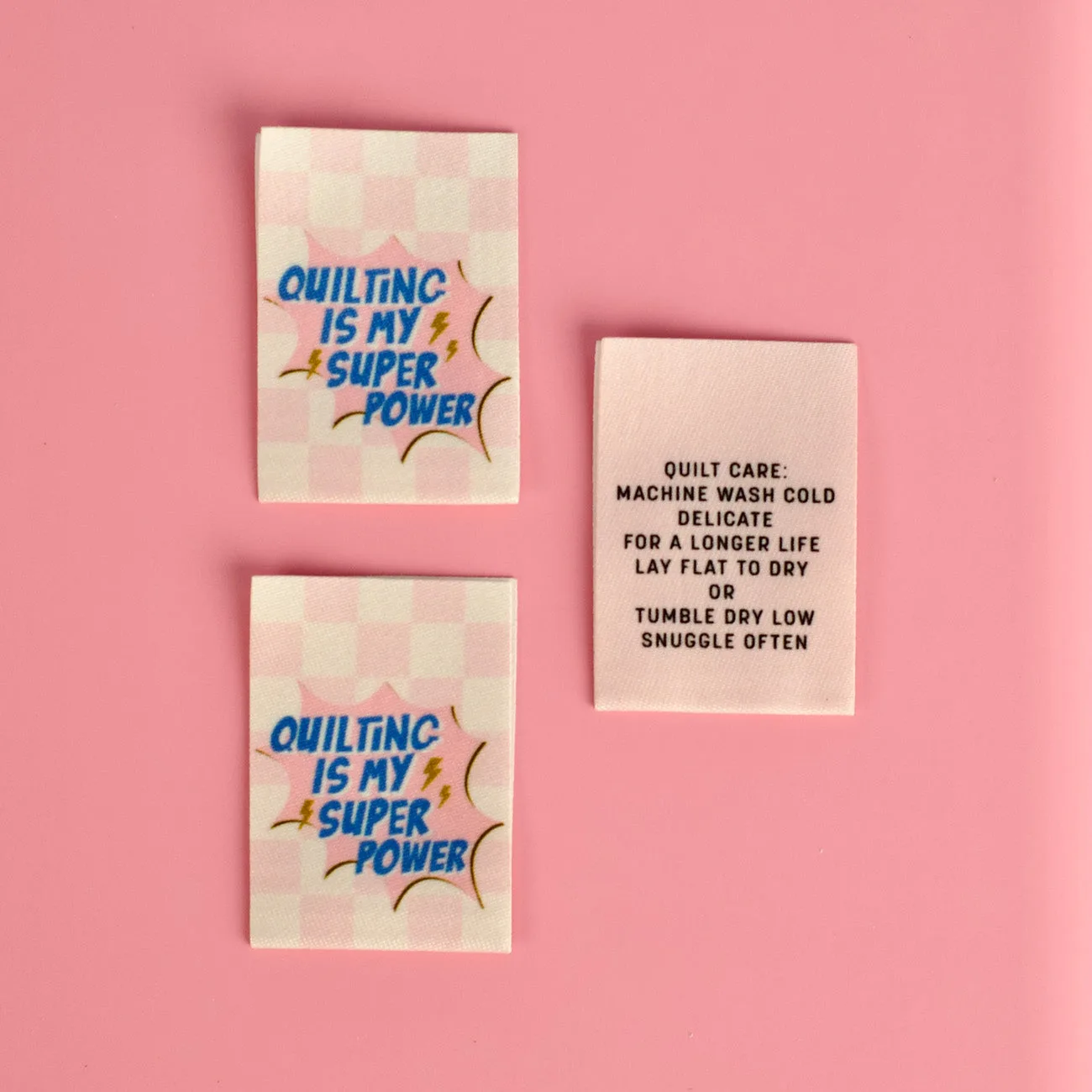
Whichever format you choose, small extras make the pattern easier to use. A sew-in label like Super Power - Quilty Labels lets you mark the finished quilt with your name or a message, which is especially useful when you sew from a pattern more than once and want to remember which version is which. These labels are designed for handmade garments, quilts, bags, and accessories.
Super Power - Quilty Labels
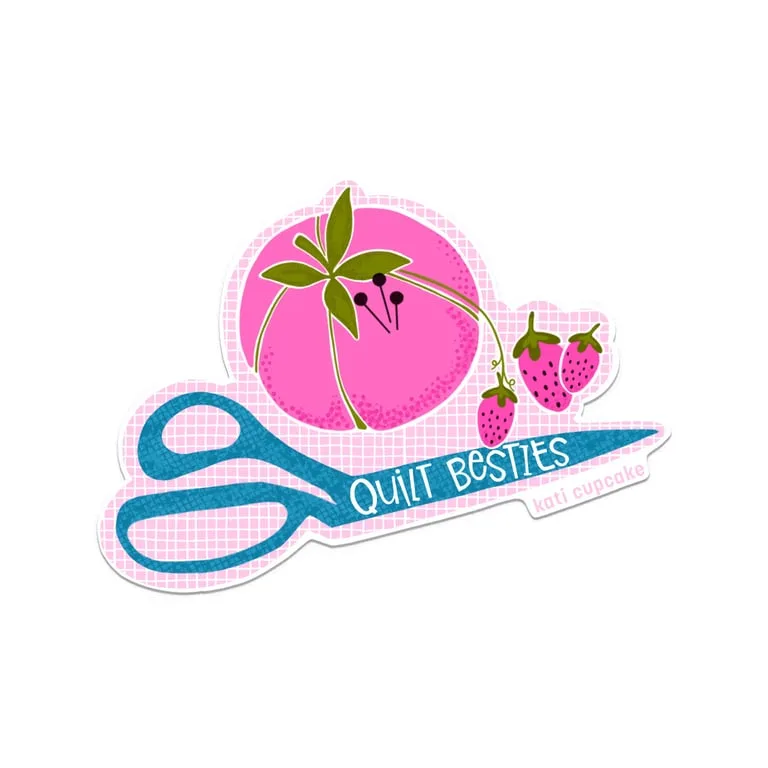
A sticker like Quilt Besties - Sticker is a low-cost way to decorate a pattern binder, a planner, or a tumbler you keep on the cutting table. It is about 2-1/2" x 3-1/4", printed on premium vinyl with a matte finish, and it is weatherproof and waterproof, so it holds up on a water bottle or laptop. Neither item changes how you cut, but both make a sewing space feel organized and personal.
- Label finished quilts so you can track which pattern and fabric combination you used.
- Use stickers to mark pattern binders or storage bins by project type.
Trade-Offs at a Glance
- Printed pattern: ready to use, but fixed: You can open it and start cutting immediately, with no printer or test square. You cannot reprint a lost page, and you pay for shipping and wait for delivery. Best when you want to start a project the day the pattern arrives.
- PDF pattern: flexible, but setup-heavy: You get instant access and can reprint or enlarge templates. You need a printer, paper, and a habit of checking print scale before cutting fabric. Best when you sew the same design repeatedly or need multiple sizes.
- Sharing and storage: paper lends, PDFs stay: A printed booklet can be handed to a friend; most PDFs are licensed for one user. Paper takes shelf space, while PDFs need a backup so you do not lose them with a device. Decide based on whether you sew solo or in a group.
Product Facts That Matter
- Play Date - Paper Pattern: Finished quilt size 65-1/2" x 65-1/2"; jelly roll friendly; listed at USD 5.00 against a comparison price of USD 9.99. A printed pattern with a defined finished size and pre-cut compatibility helps you plan backing and batting before you buy.
- Super Power - Quilty Labels: Premium designer sew-in labels for handmade garments, quilts, bags, and accessories; easy to sew. Labels let you sign a quilt made from a printed or PDF pattern, which is helpful when you sew the same design more than once.
- Quilt Besties - Sticker: Approx. 2-1/2" x 3-1/4"; premium vinyl; matte finish; weatherproof and waterproof; made in the United States. A durable sticker can mark a pattern binder or a water bottle without peeling after repeated handling.
Which Format Fits You?
Choose a printed pattern if you
- Want a physical reference you can mark up and leave on the cutting table
- Sew with a friend and want to lend or share the pattern legally
- Prefer to avoid printing, taping, and checking template scale
Choose a PDF pattern instead if you
- Need the pattern immediately and do not want to wait for shipping
- Sew the same design in multiple sizes and want reprintable templates
- Have limited shelf space and prefer to store patterns on a device
There is no single best quilt pattern format, only the one that matches how you sew. If you want a printed reference you can hold and share, a paper pattern like Play Date - Paper Pattern is a straightforward choice. If you want instant access and reprintable templates, a PDF is the better fit. Many quilters keep both, using paper for the project in progress and PDFs for patterns they return to again and again.