Quick answer
Choose passive hearing protection when you want maximum simplicity, a low profile, and the highest noise reduction for the money, especially for indoor ranges or long strings of fire. Choose electronic hearing protection when you need to hear range commands, conversations, or game while still blocking sudden loud impulse noise. Many shooters get the best result by owning both and matching the pair to the day.
Shooting is one of the few hobbies where the wrong gear choice can permanently damage your hearing in a single afternoon. The two main paths are passive protection, which simply blocks sound, and electronic protection, which actively manages what reaches your ears. Both can work well, but they solve different problems.
This guide breaks down the real trade-offs between passive and electronic hearing protection, how noise reduction ratings and fit change the math, and which type fits your range habits. You will also see how specific Etymotic options compare so you can pick a pair that actually gets used.
How passive and electronic protection differ
Passive protection uses materials and shape to reduce sound before it reaches your ear canal. Foam, silicone flanges, and muff shells all work this way. There are no batteries, no circuits, and nothing to switch on. That simplicity is why passive earplugs and muffs remain the default at many ranges, and why they tend to cost less for a given level of noise reduction.
Electronic protection adds a microphone and circuitry. It lets quieter sounds through, then clamps down when a loud impulse arrives. That means you can hear a safety officer, a hunting partner, or an approaching animal without lifting a muff or pulling a plug. The trade-off is cost, batteries, and one more thing that can fail or need charging before a session.
- Passive: block first, ask questions never. No power, no settings.
- Electronic: hear more between shots, block the shot itself.
- Neither type replaces consistent fit. A loose plug or broken seal can cut real-world protection far below the label.
What NRR actually tells you
Noise Reduction Rating, or NRR, is a laboratory number. It is useful for comparing products, but it is not a promise of what you will experience. Real-world protection depends on how well the device seals, how you insert it, and whether you wear it correctly every time. A high NRR that never seals properly is worse than a moderate NRR that fits you perfectly.
For shooting, impulse noise is the main concern. Gunshots are short, intense, and unpredictable. Passive devices with a solid seal are very effective at shaving off that peak. Electronic devices also reduce peaks, but their advantage is keeping you connected to the environment between shots. When you compare options, treat NRR as a starting filter, then prioritize fit and intended use.
- Higher NRR is not automatically better if the device is uncomfortable or hard to insert.
- For indoor ranges or muzzle brakes, lean toward more reduction and a deeper seal.
- For hunting or instruction, awareness may matter as much as raw reduction.
Fit and seal decide real-world performance
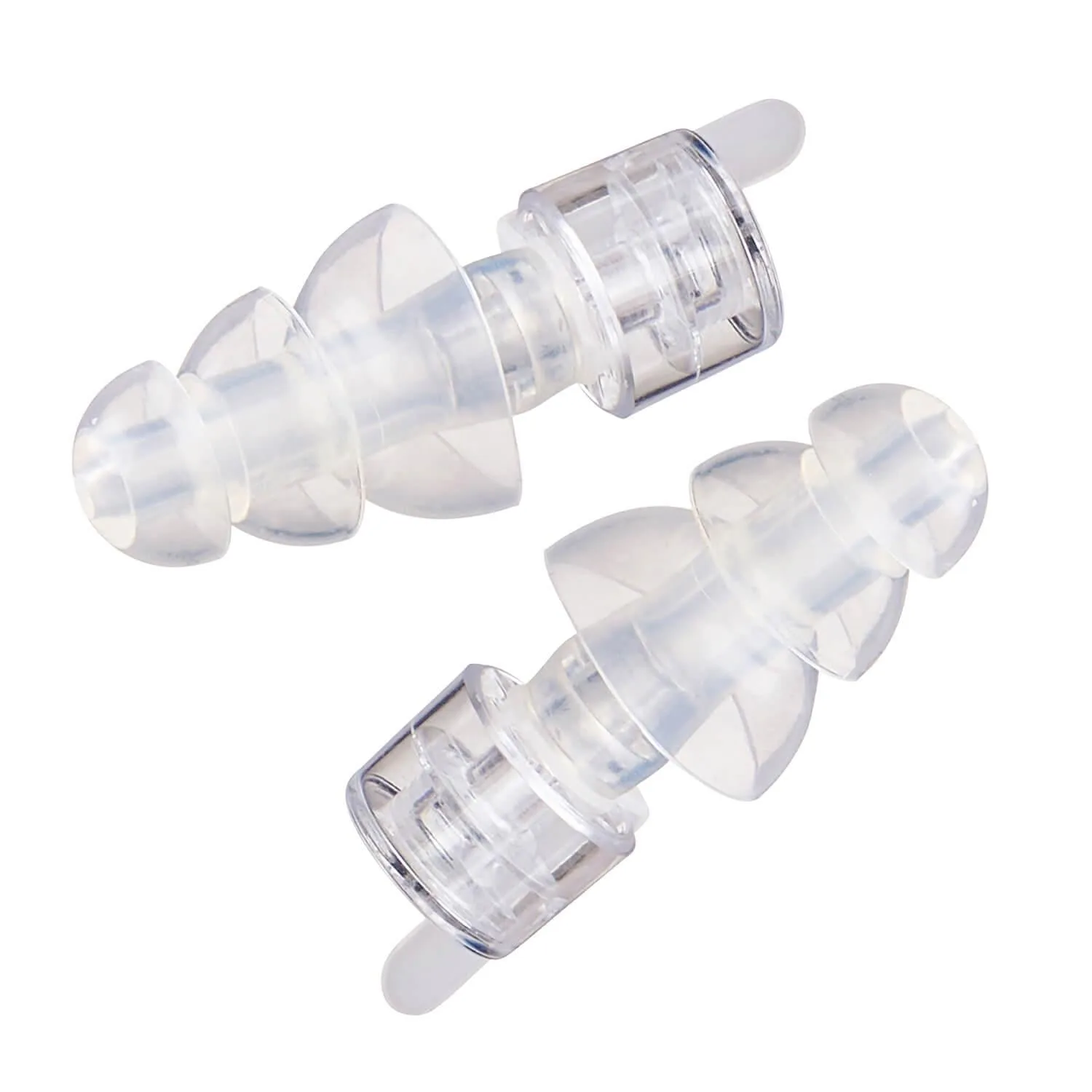
Ear canals vary a lot, and so do earplugs. A triple-flange design creates three points of contact, which can form a more consistent seal than a single dome tip for many shooters. That matters because a small leak lets loud sound bypass the plug entirely. If you can hear your own footsteps or your voice sounds muffled and internal, you likely have a decent seal.
Muffs add another variable. The cushion must seal against the head around the ear, not just sit on top of it. Eyewear temples, hats, and long hair can break that seal. For the best result with muffs, keep the temples thin or route them above the cushion. With plugs, insertion depth and a gentle tug on the ear can make the difference between a good fit and a great one.
- Try multiple tip sizes or styles before deciding a plug does not work for you.
- If you wear muffs over plugs, you gain reduction, but only if both seal.
- Replace disposable tips when they stop expanding or feel slick.
When passive protection is the smarter buy
Passive earplugs shine for high-volume sessions where you do not need to talk much. Indoor ranges, long strings of fire, and shooting next to braked rifles are classic passive scenarios. They are also easier to keep in a range bag because there is no battery to check. A low-profile plug that sits in the outer ear without protruding is comfortable under muffs and less likely to snag on a stock or sling.
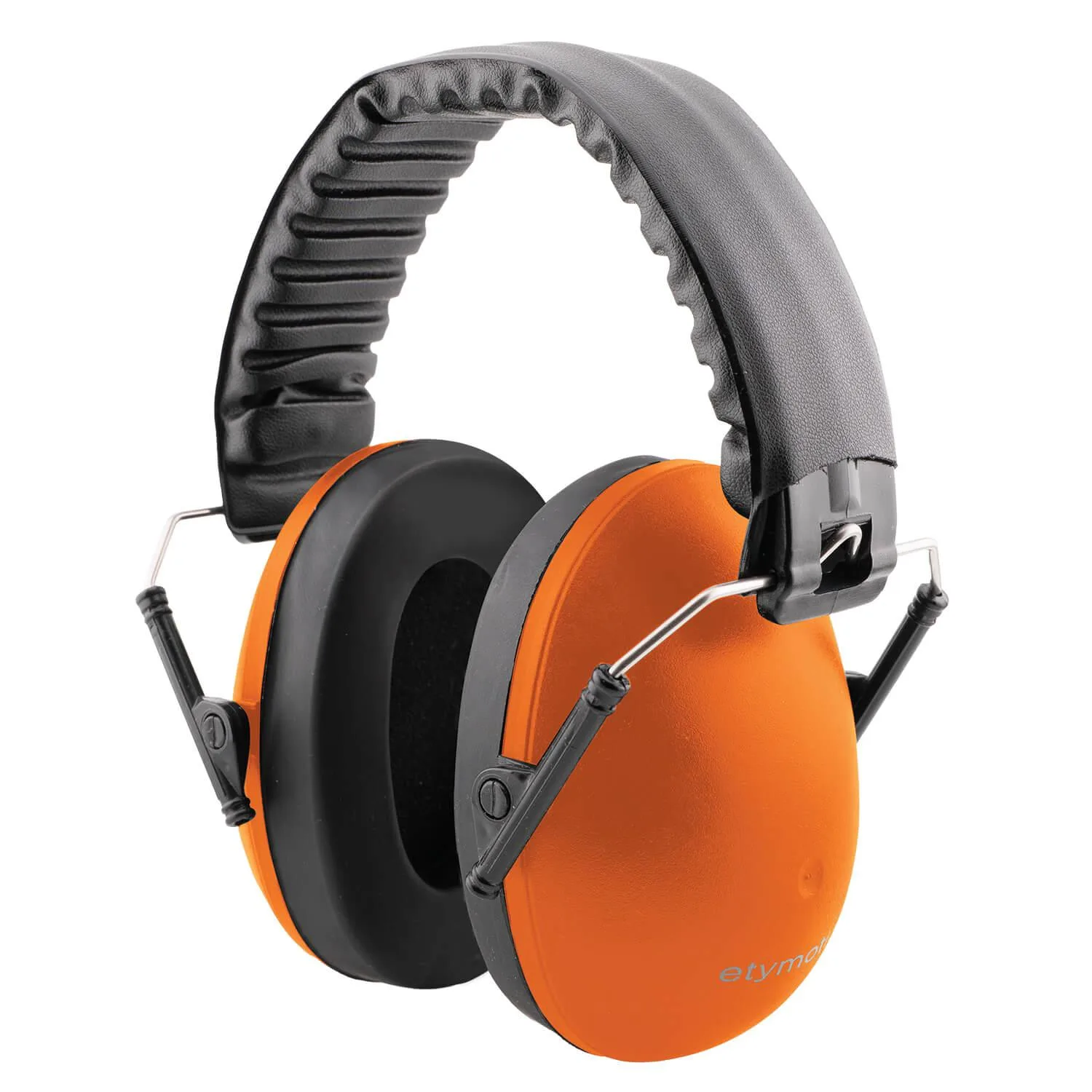
Passive muffs are a strong choice for shared use, quick on-and-off, and cold-weather days when you want to cover the ear entirely. They can be more consistent for shooters who struggle with plug insertion. The main downside is bulk, and the seal can be compromised by eyewear or headgear.
- Choose passive if you fire in short, loud bursts and do not need ambient sound.
- Choose passive if you want a backup that never needs charging.
- Pair plugs with muffs when you want the most reduction available.
When electronic protection earns its place
Electronic protection is the better match when communication or awareness is part of the activity. Hunters who need to hear movement, instructors running a line, and shooters who take occasional shots while talking all benefit from hearing the world between shots. The device reduces the impulse while letting normal sounds through, which keeps you safer in a different way: you can hear warnings and stay oriented.
The trade-offs are real. Batteries run out, electronics can fail, and the extra bulk or cost may not suit every shooter. If you go electronic, treat it like any other piece of safety gear: test it before you rely on it, carry spare batteries, and keep a passive pair in your bag as backup.
- Electronic is worth it if you frequently remove plugs to hear people.
- Keep a passive backup for the day the battery dies.
- Practice with the electronic pair so you trust the reaction time.
Decision rules for shooters
- Rule 1: Indoor range or muzzle brakes: Prioritize maximum reduction and a deep seal. Passive plugs with a triple-flange design or passive muffs with a known NRR are the simplest path. If you want to double up, wear plugs under muffs. If you cannot get a consistent seal with plugs alone, add muffs rather than accepting a leak.
- Rule 2: Hunting or instruction: Choose electronic protection so you can hear movement, conversation, and commands between shots. Confirm the device reacts to impulse noise and keep a passive pair as backup. Awareness is a safety feature, not a luxury, when you need to hear the people around you.
- Rule 3: Casual or mixed use: Own both. Use passive plugs for quick sessions and loud days, and electronic protection for days when you need to talk. A low-profile passive plug also works under muffs when you want extra reduction. The best setup is the one you actually carry, so keep both types in your range bag.
Etymotic options that fit these roles
- ER20XS | High Fidelity Earplugs - Standard: The ER20XS uses a triple-flange design with three points of contact for a seal, and a low-profile, stem-less shape that sits in the outer ear without protruding. That combination makes it a strong passive choice for shooters who want discreet protection under muffs or a hat, and the triple flange can seal more consistently than a single dome tip for some ear canals.
- Etymotic Gunsport Lite - Active Hearing Protection: GunSport Lite is an electronic hearing protection option designed for sudden loud noise that reduces harmful sound levels while allowing surrounding sounds to be heard, and it automatically responds to loud impulse noises. This is the electronic path for hunters and range users who need awareness between shots. It lets you hear range commands or game while still clamping down on gunshots.
- Passive Adult Low Profile Foldable Hearing Protection: These passive ear muffs carry a Noise Reduction Rating of 22 and are described as lightweight and foldable, with color options available. A foldable passive muff is easy to keep in a bag and quick to put on for shared use or cold days. The NRR 22 gives you a concrete reduction figure to compare against plugs.
- ER20XSC Extra Case for ER•20XS Earplugs: This is an extra case made for the ER•20XS earplugs. A dedicated case keeps passive plugs clean and findable in a range bag, which matters because dirty or lost plugs get replaced with whatever is handy, and that often means worse protection.
Which setup fits your shooting
Best for
- Shooters who want maximum reduction with no batteries, especially indoors or around braked rifles
- Hunters and instructors who need to hear range commands, conversation, or game between shots
- Anyone who wants a low-profile passive plug that works alone or under muffs
Not for
- Shooters who refuse to test fit and insertion, since even the best NRR depends on a proper seal
- People who want one device to do everything without carrying a backup or spare batteries
- Anyone who needs custom-molded protection or a specific medical fit, which requires a different solution
Passive and electronic hearing protection are not rivals so much as different tools. Match the type to your range day, confirm the fit before you trust the NRR, and keep a passive backup in your bag. That way you protect your hearing without giving up the awareness that makes shooting safer and more enjoyable.