Quick answer
Paw balm and pet conditioner are not substitutes. Balm is a leave-on barrier for paw pads that crack from hot pavement, ice, or salt; conditioner is a rinse-out or leave-in treatment that restores coat softness and skin hydration. If your dog has dry cracked dog paws, start with balm. If the coat feels rough, brittle, or dull, start with a conditioner such as a repairing elixir. Many dogs need both, applied to different areas and at different steps.
What each product actually does
Paw balm works as a protective layer. It sits on the pad, reduces friction, and limits moisture loss where the pad meets hot asphalt, frozen ground, or rock salt. The main dog paw balm benefits are comfort and barrier protection, not coat appearance. Because pads are thick and hairless, balm stays where you put it and does not need rinsing.
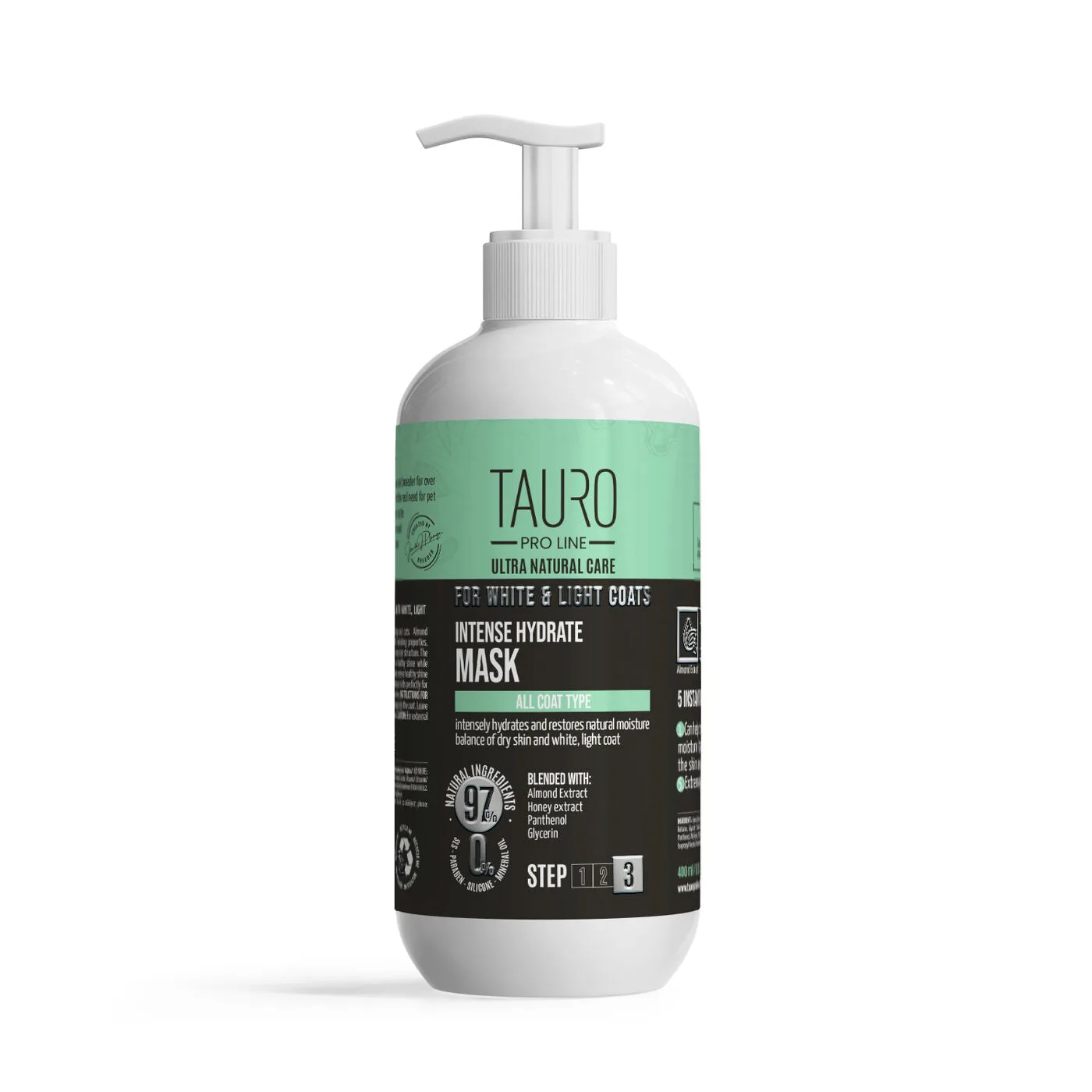
Pet conditioner for coat works on hair and the skin beneath it. It smooths the cuticle, reduces tangling, and adds moisture after shampooing. A concentrated leave-in option, like an elixir with plant and essential oils, can be worked into the coat between baths. It does not protect pads from abrasion, and it should not be rubbed into paw pads as a substitute for balm.
When to use paw balm
Reach for balm before and after exposure to rough or extreme surfaces. Dog winter paw care is the classic case: ice, packed snow, and de-icing salt dry and irritate pads. Summer pavement is the other. Apply a thin layer, let it absorb for a minute, and wipe off excess so your dog does not lick it away immediately.
Signs that balm is the right tool: visible cracks, flaking edges, or a dog that stops, lifts a paw, or licks pads after walks. If the pad is bleeding, swollen, or has a foreign object stuck in it, see a veterinarian rather than layering balm over the problem.
When to use conditioner or an elixir
Conditioner earns its place when the coat is the issue: mats, static, rough texture, or dry skin along the back and tail. After a bath, apply according to the label, then comb through so the product reaches the undercoat instead of sitting on top. A repairing elixir is a practical choice for targeted dry patches or for refreshing a coat between full baths.
Conditioner is not paw pad protection. If you apply it to the feet, it can make pads slippery and encourage licking. Keep coat products above the ankle and balm below it.
How to layer both without overdoing it
Order matters. Bathe and condition first, dry the dog, then apply balm to the pads as the final step. That sequence keeps conditioner from being walked off on the floor and keeps balm from being rinsed away. During winter, a quick paw wipe after walks removes salt before you reapply balm.
Frequency depends on the dog, not the calendar. Active dogs on pavement may need balm several times a week; couch dogs may need it only during cold snaps. Coat conditioner is usually tied to bath frequency, with elixir touch-ups in between.
Grooming tools that make both steps work better
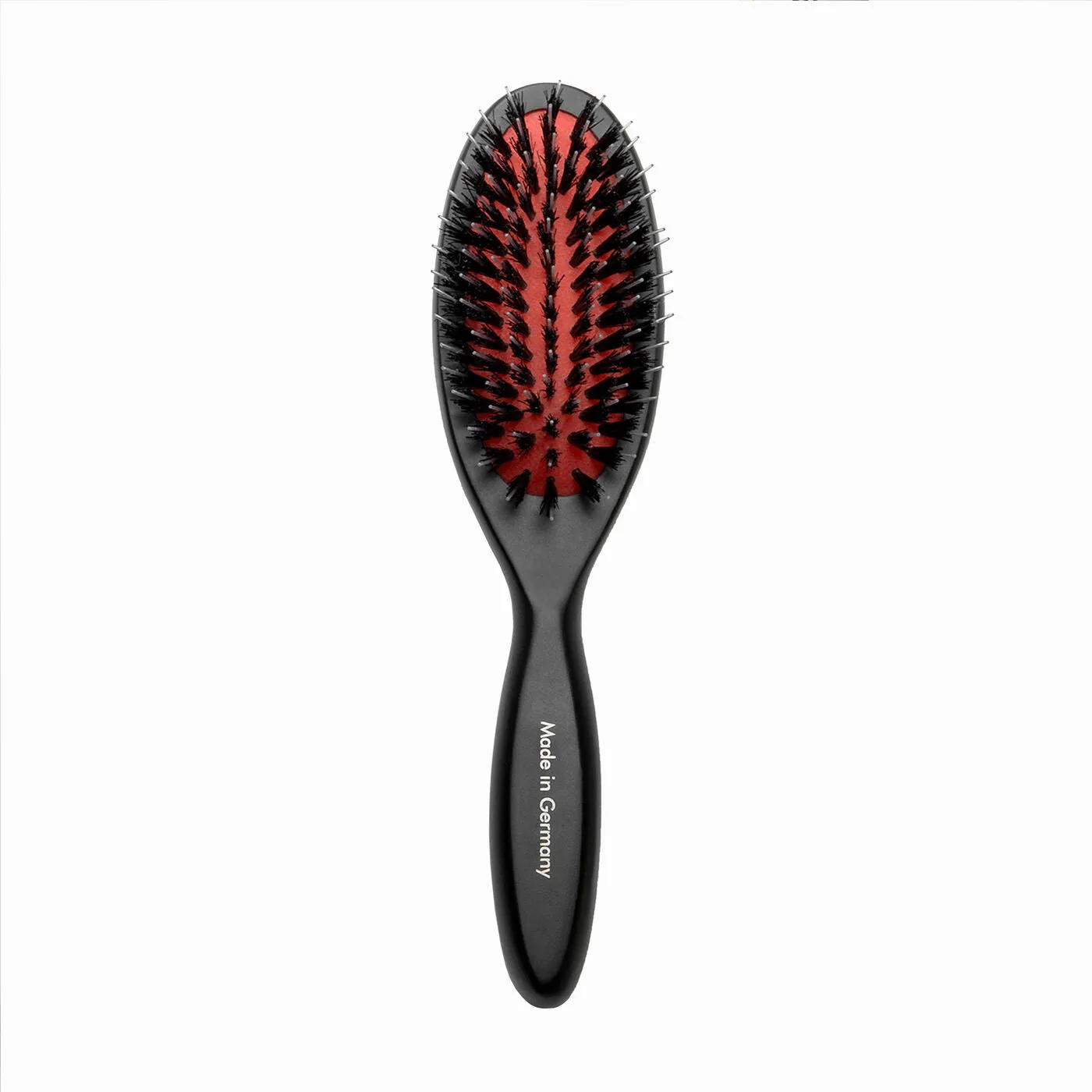
Neither product performs well on a matted or dirty coat. A pin brush with short stainless steel teeth is useful for smoothing the coat and removing loose hair after conditioning, and for checking whether product has been distributed evenly. Brush before you judge a conditioner, because uncombed product can feel greasy rather than soft.
Keep the brush clean. Product residue and loose hair build up on the pins, and a dirty brush redistributes both. A quick wipe after each session is enough.
Trade-offs to weigh before you buy
- Balm: protection vs. residue: Balm creates a barrier that helps with dry cracked dog paws, but it can leave marks on floors and furniture and needs reapplication after wet walks. Choose balm if pad protection is the priority and you can reapply consistently.
- Conditioner or elixir: softness vs. buildup: Conditioners and elixirs improve coat feel and hydration, but over-application on an uncombed coat can look greasy and attract dirt. Choose a concentrated elixir if you want between-bath touch-ups, and brush it through.
- Nutrition: slow results vs. root cause: Omega-rich diets support skin and coat over weeks, not days, and they do not replace topical pad protection. Treat diet as a background fix, not an emergency response to cracked pads.
Products that fit each job
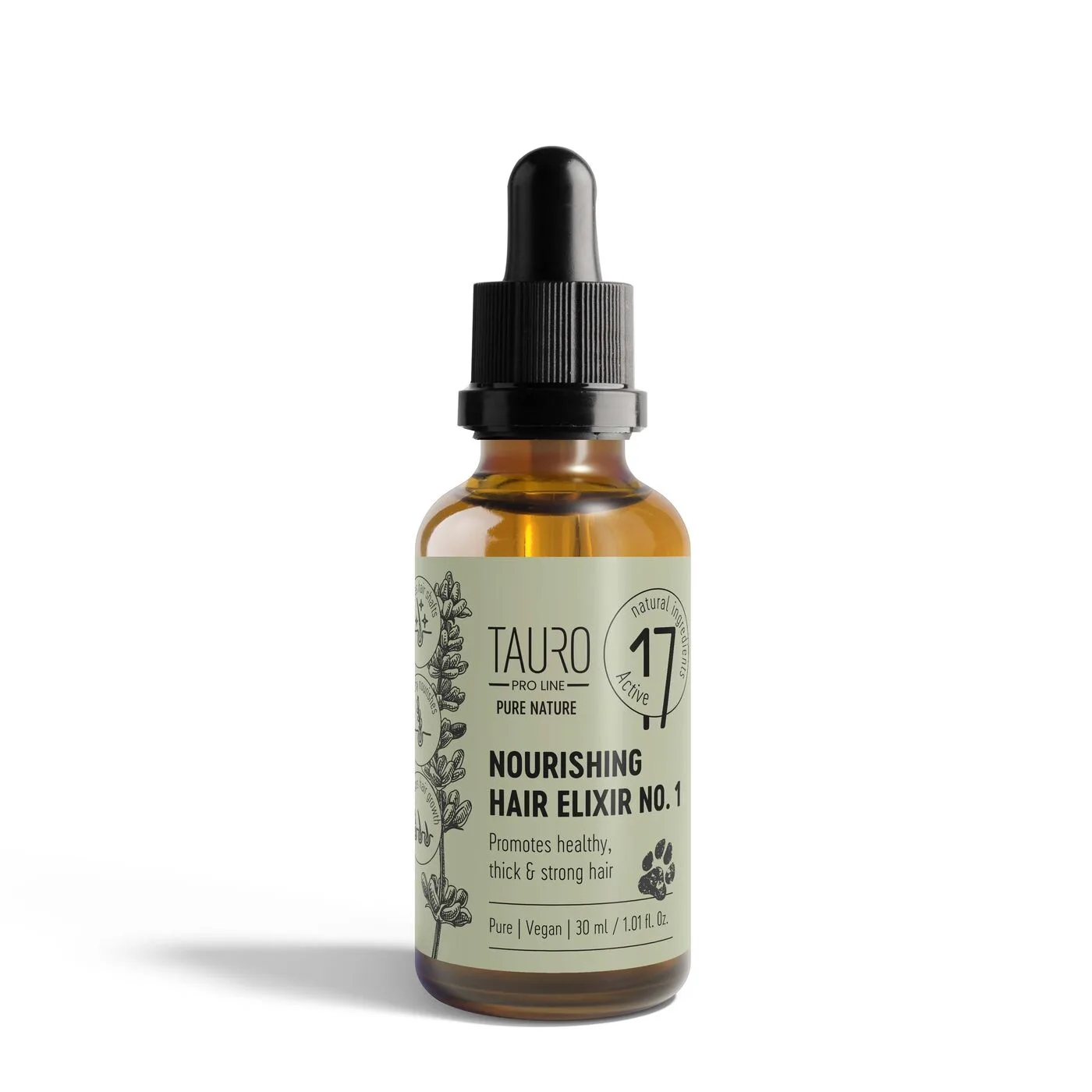
- No. 2 Repairing Elixir for Deep Skin & Coat Hydration: Tauro Pro Line Pure Nature No. 2 Repairing Elixir is an intensive coat and skin care formula with 18 active ingredients, including plant oils and essential oils selected for moisturizing and conditioning. It is a concentrated leave-in option for coat and skin hydration, not a pad protectant, so it belongs in the conditioner step of the routine.
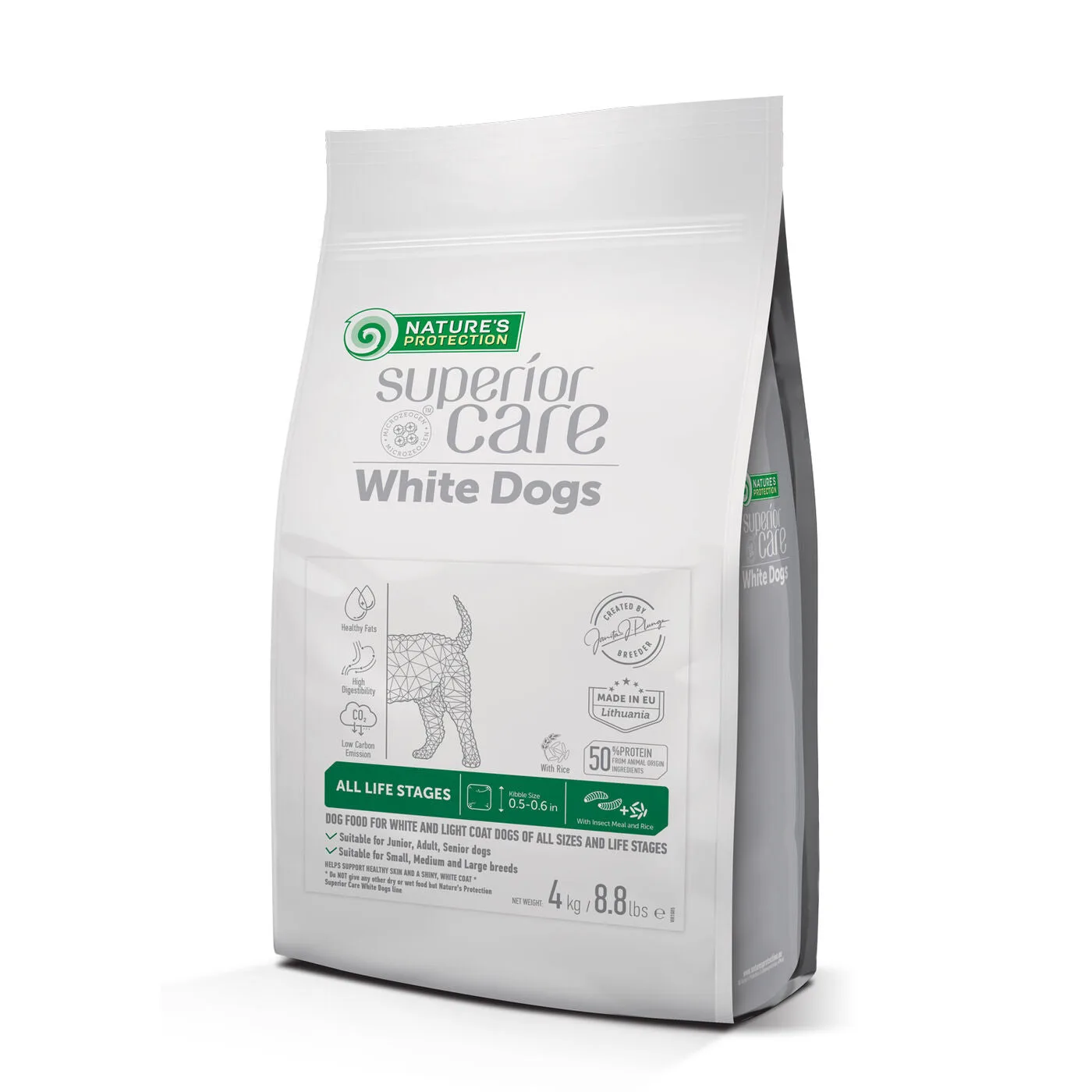
- Junior Dogs Food for Light Coat All Breeds with Salmon: Nature's Protection Superior Care Grain-Free Dog Food with Salmon is formulated for junior all breeds with white and light-colored coats, with premium salmon protein rich in Omega acids to support skin and coat health. Coat condition starts with nutrition. If dryness persists despite conditioning, the diet is the next variable to check with your veterinarian.
- Premium Wooden Pin Brush with Short Stainless Steel Teeth, 0.4”: The Tauro Pro Line Premium Wooden Pin Brush has short 0.4-inch stainless steel pins designed for gentle detangling, smoothing the coat, and removing loose hair. Even distribution and loose-hair removal make conditioner work as intended and help you spot genuinely dry skin instead of surface debris.
Which should you choose?
Best for
- Dogs with dry cracked dog paws from pavement, ice, or salt
- Owners who walk on rough surfaces year-round and want dog winter paw care handled
- Dogs that lick or lift paws after walks
Not for
- Coat dullness, mats, or static, which need a conditioner or elixir instead
- Open wounds, swelling, or bleeding pads, which need veterinary care
- Owners who cannot reapply after wet or salty walks