Two different ways to start spelling
When your child is ready to move beyond singing the ABCs, two wooden toys from Melissa & Doug offer different entry points. The PAW Patrol See & Spell Pup Pad focuses on building three- and four-letter words, while the Alphabet Sound Puzzle reinforces letter names and sounds through a classic puzzle format. Both are designed for preschoolers, but they ask different things from your child and support different skills. Here’s how to decide which one fits your child’s current stage.
What each toy offers at a glance
-
PAW Patrol See & Spell Pup Pad: The PAW Patrol See & Spell Pup Pad includes double-sided spelling cards and double-sided letter tiles. Kids slide a card into the wooden Pup Pad and spell the three- or four-letter word shown in the scene. This is a word-building activity, so it suits a child who already knows most letter names and is ready to combine them into simple words.
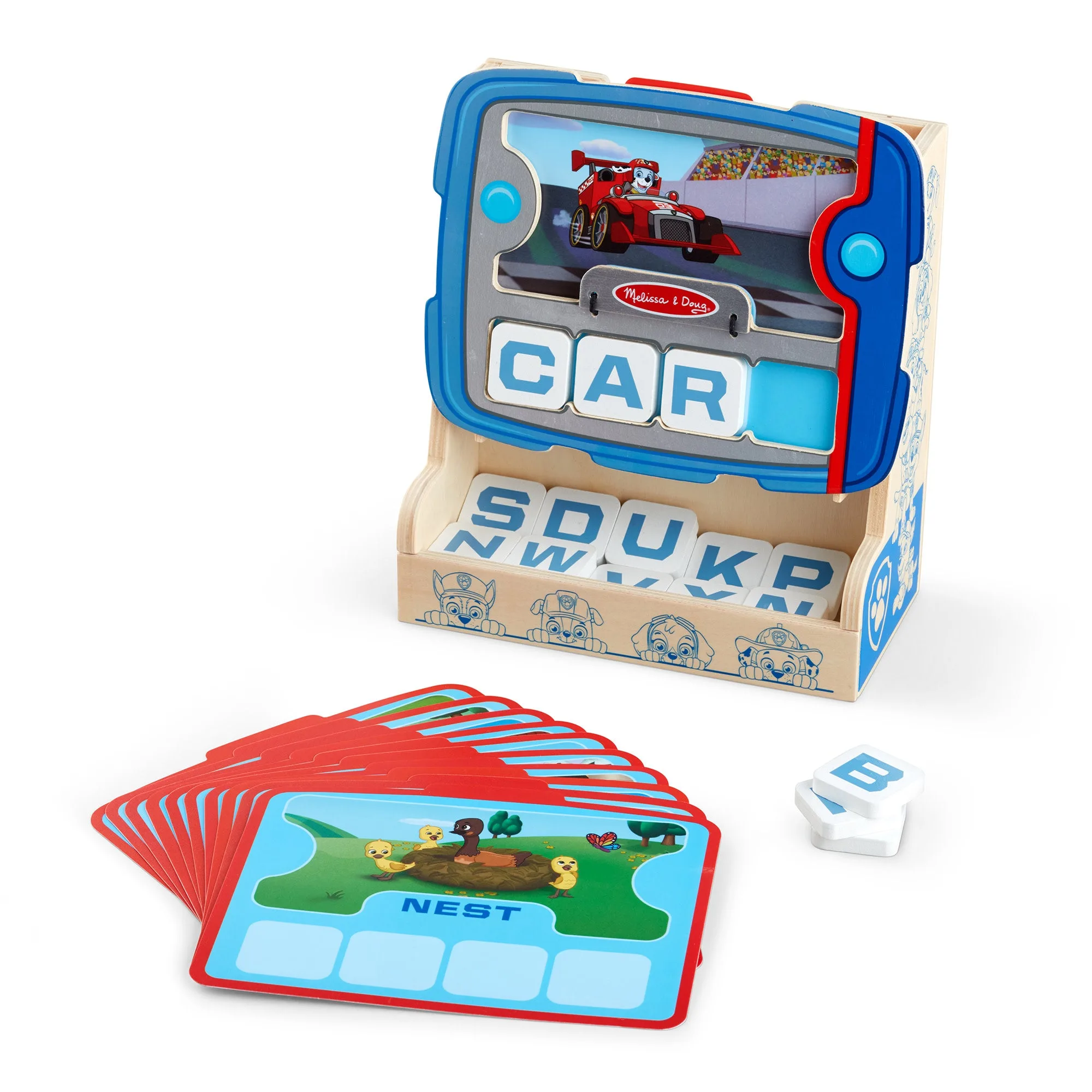
PAW Patrol See & Spell Pup Pad
-
Alphabet Sound Puzzle - 26 Pieces: The Alphabet Sound Puzzle has 26 pieces and pronounces the name of each letter when it is placed correctly in the sturdy wooden puzzle board. This is a letter-recognition and phonics tool, ideal for a younger preschooler who is still learning the alphabet and letter sounds.
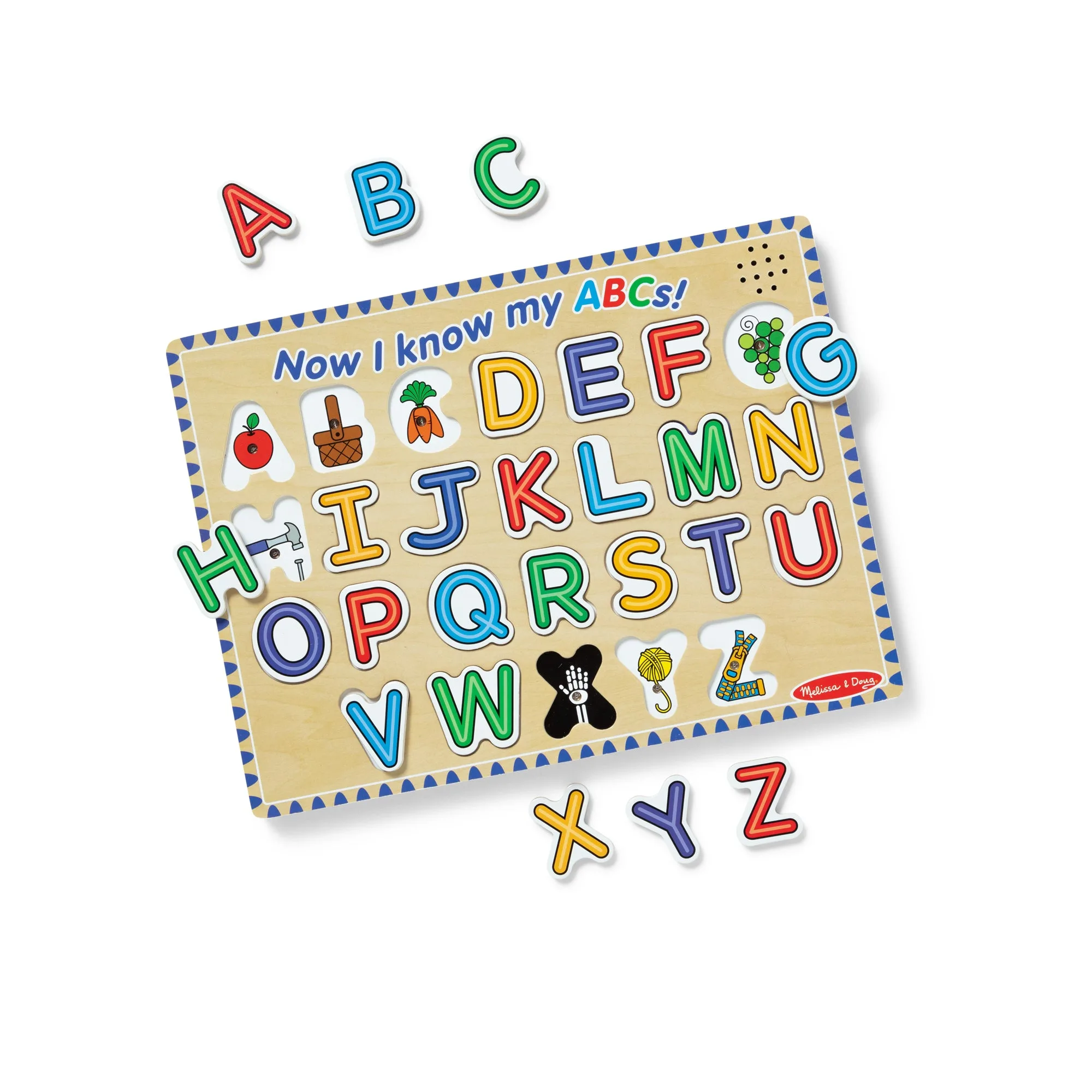
Alphabet Sound Puzzle - 26 Pieces
Age and readiness: which toy matches your child?
The Alphabet Sound Puzzle is recommended for kids three and older. Its pieces are slightly raised for easy grasping, and pictures underneath each piece reinforce the link between letters and their sounds. That makes it a strong first alphabet toy for a child who is just starting to recognize letters.
The PAW Patrol See & Spell Pup Pad is recommended for kids four and older. It asks a child to spell three- or four-letter words, either by matching letters to the cards, spelling from memory, or using the cards as flashcards. That requires a bit more letter knowledge and attention span, so it’s a better fit once your child has mastered basic letter recognition.
How the play experience differs
The See & Spell Pup Pad is a structured spelling activity. Your child slides a card into the wooden pad, picks the right letter tiles, and can lift the flap to check the answer. When the card is removed, the tiles drop into the storage tray in the base. That self-checking feature gives a child a clear sense of success and makes it easy to play independently.
The Alphabet Sound Puzzle is more of a classic puzzle with audio feedback. Placing each letter correctly triggers the sound of the letter name, which reinforces learning through repetition. The light-activated sensors mean the puzzle works best in a brightly lit room: remove a piece to expose the sensor, then replace it to hear the sound. This toy is better for a child who enjoys matching and placing pieces and benefits from hearing the letter names aloud.
See & Spell vs Sound Puzzle: key differences
- Core activity: See & Spell: building three- and four-letter words. Sound Puzzle: matching letters to their sounds.
- Recommended age: See & Spell: 4+. Sound Puzzle: 3+.
- Feedback: See & Spell: visual self-check via the flap. Sound Puzzle: audio letter names when pieces are placed correctly.
- Skills practiced: See & Spell: spelling, letter matching, memory, fine motor. Sound Puzzle: letter recognition, letter sounds, fine motor, sensory.
- Play style: See & Spell: structured word-building with cards. Sound Puzzle: classic puzzle with audio reinforcement.
What the records don’t tell us
Neither product record includes details about the number of cards in the See & Spell set or the exact dimensions of the puzzle. If you’re deciding based on travel size or how many words are included, you may want to check the product packaging or contact the store. Also, both toys are FSC certified, but the certification applies to new inventory only (FSC C156584). That means older stock may not carry the same certification.
Making the choice
If your child is three and still learning letter names and sounds, the Alphabet Sound Puzzle is the more natural starting point. Its audio feedback and simple matching make it engaging for younger preschoolers.
If your child is four or older and knows most letter names, the PAW Patrol See & Spell Pup Pad offers a more advanced challenge. It turns spelling into a mission with a beloved theme, and the self-checking flap supports independent play.
For many families, the two toys actually work well as a sequence: start with the sound puzzle to build letter recognition, then move to the See & Spell Pup Pad when your child is ready to spell words. Both are sturdy wooden toys that can grow with your child.