When it comes to choosing a protein powder, the debate between pea protein and whey protein often dominates the conversation. Both are popular for different reasons—whey has long been the gold standard for athletes, while pea protein has surged in popularity among plant-based eaters and those with dairy sensitivities. But which one truly delivers on nutrition, taste, and environmental impact?
In this article, we’ll break down the key differences between organic pea protein and whey protein, covering everything from amino acid profiles to digestibility. Whether you’re blending a post-workout smoothie or looking for a clean protein boost for your morning bowl, understanding these two options will help you make an informed choice. And if you’re leaning toward plant-based, we’ll highlight how products like Nutty Banana Protein and Vanilla Bean Protein can fit seamlessly into your routine.
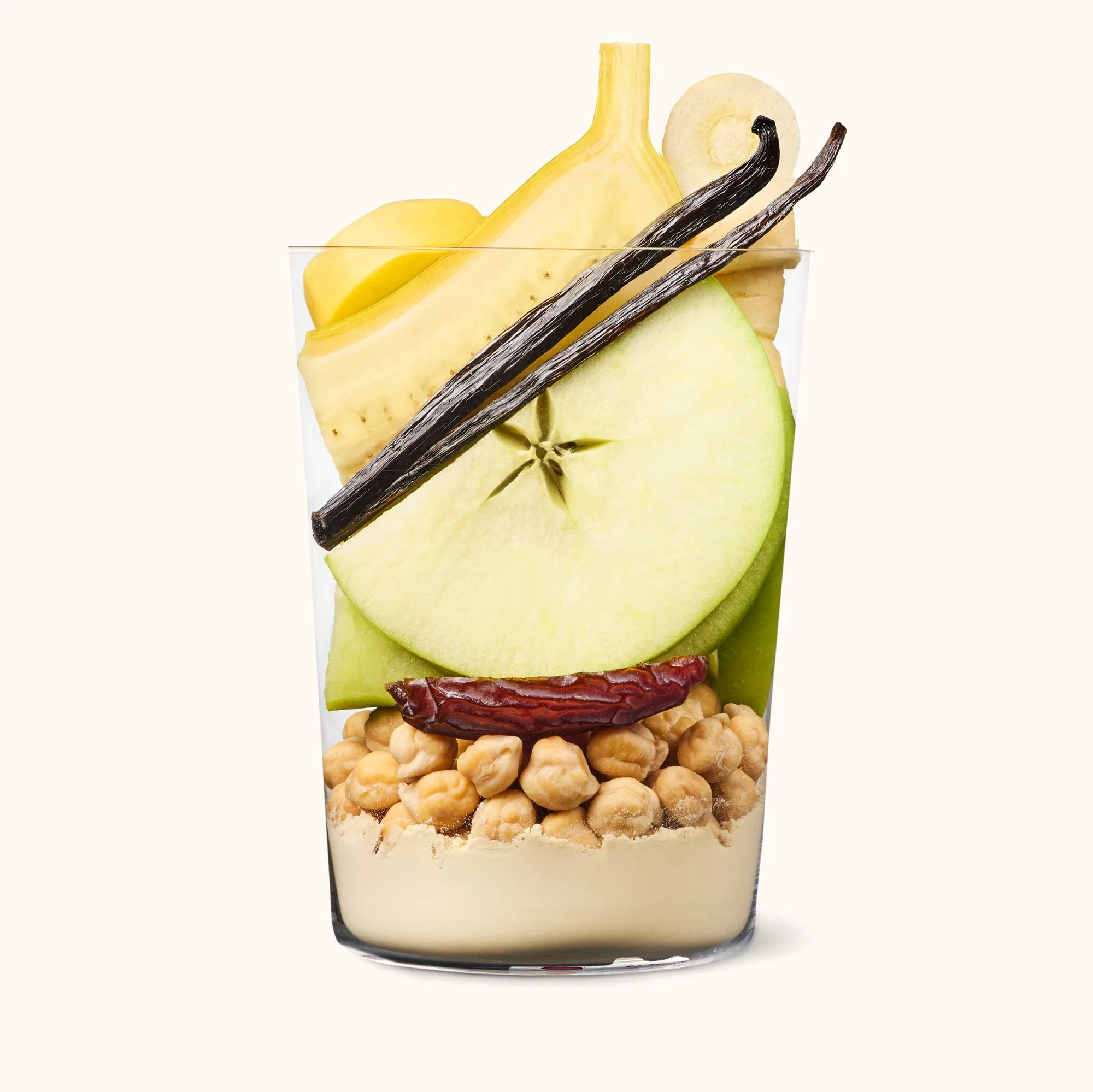
Vanilla Bean Protein
What Is Pea Protein?
Pea protein is derived from yellow split peas and is a complete plant-based protein, meaning it contains all nine essential amino acids. It’s particularly rich in branched-chain amino acids (BCAAs) like leucine, which is crucial for muscle repair and growth. Unlike soy or wheat protein, pea protein is hypoallergenic, making it an excellent option for those with common food sensitivities.
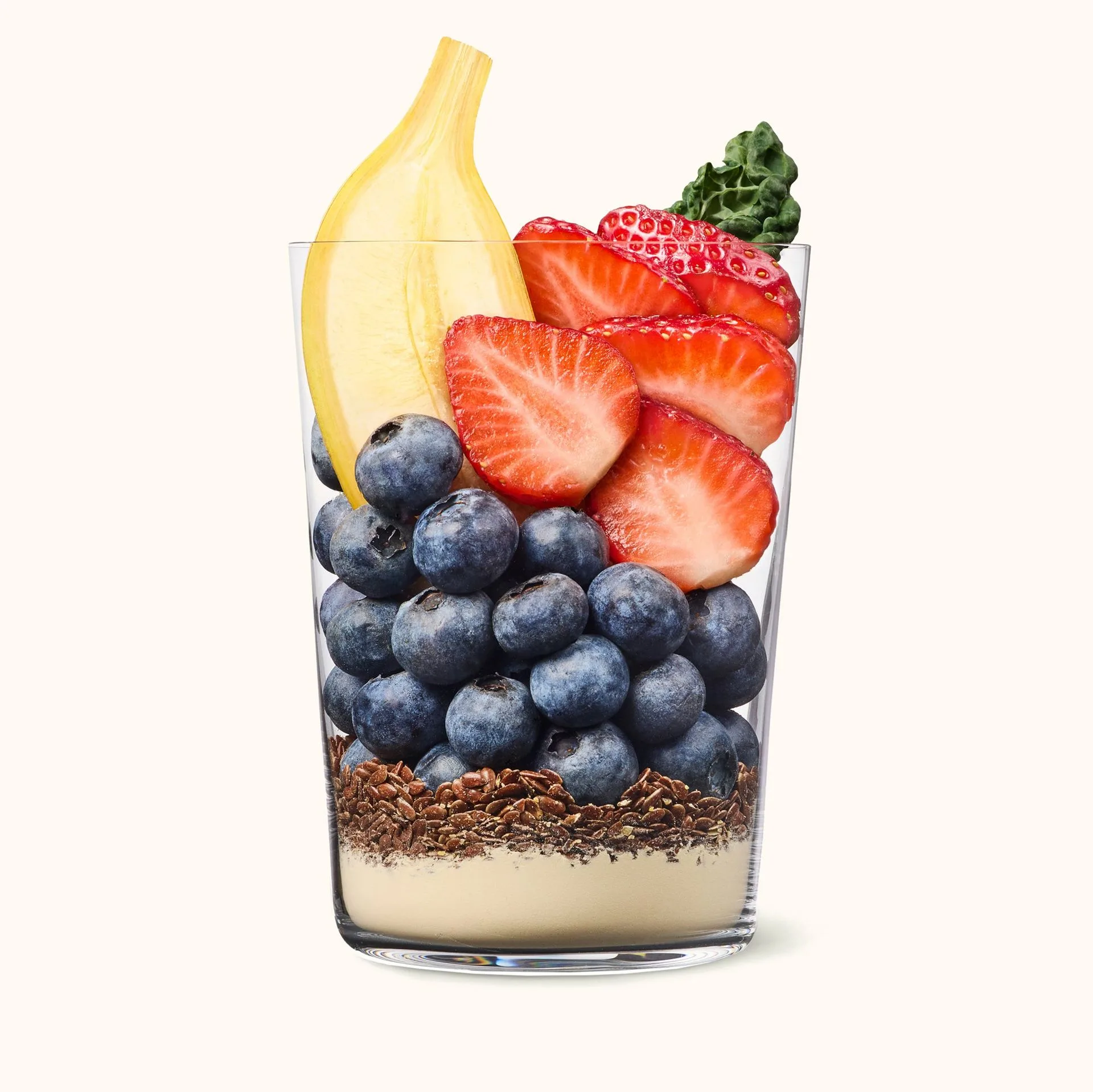
Organic pea protein is processed without synthetic pesticides or fertilizers, ensuring a cleaner product. Many brands use a simple water-based extraction method to isolate the protein, preserving its natural nutrients. For example, Daily Harvest’s Nutty Banana Protein smoothie blends organic pea protein with real fruit and nut butter, offering a convenient way to fuel your day without artificial additives.
- Complete amino acid profile with high lysine content
- Hypoallergenic and easy to digest for most people
- Sustainably sourced and often grown with low water usage
What Is Whey Protein?
Whey protein is a byproduct of cheese production and is a fast-digesting protein packed with all essential amino acids. It’s especially high in leucine, which makes it a favorite among bodybuilders and athletes for post-workout recovery. Whey is also rich in cysteine, which supports glutathione production and overall immune health.
However, whey protein is derived from cow’s milk, so it’s not suitable for vegans or those with lactose intolerance. Even organic whey can trigger digestive discomfort in sensitive individuals. While it offers a high biological value, its animal-based origin raises concerns about sustainability and animal welfare for many consumers.
- Fast absorption and high leucine content for muscle synthesis
- Contains all essential amino acids in ideal ratios
- May cause bloating or digestive issues for lactose-sensitive people
Digestibility and Gut Health
One of the biggest differences between pea protein and whey is how they affect digestion. Pea protein is naturally free from lactose, gluten, and common allergens, making it gentle on the stomach. Many people report less bloating and gas compared to whey, especially if they have mild dairy sensitivity.
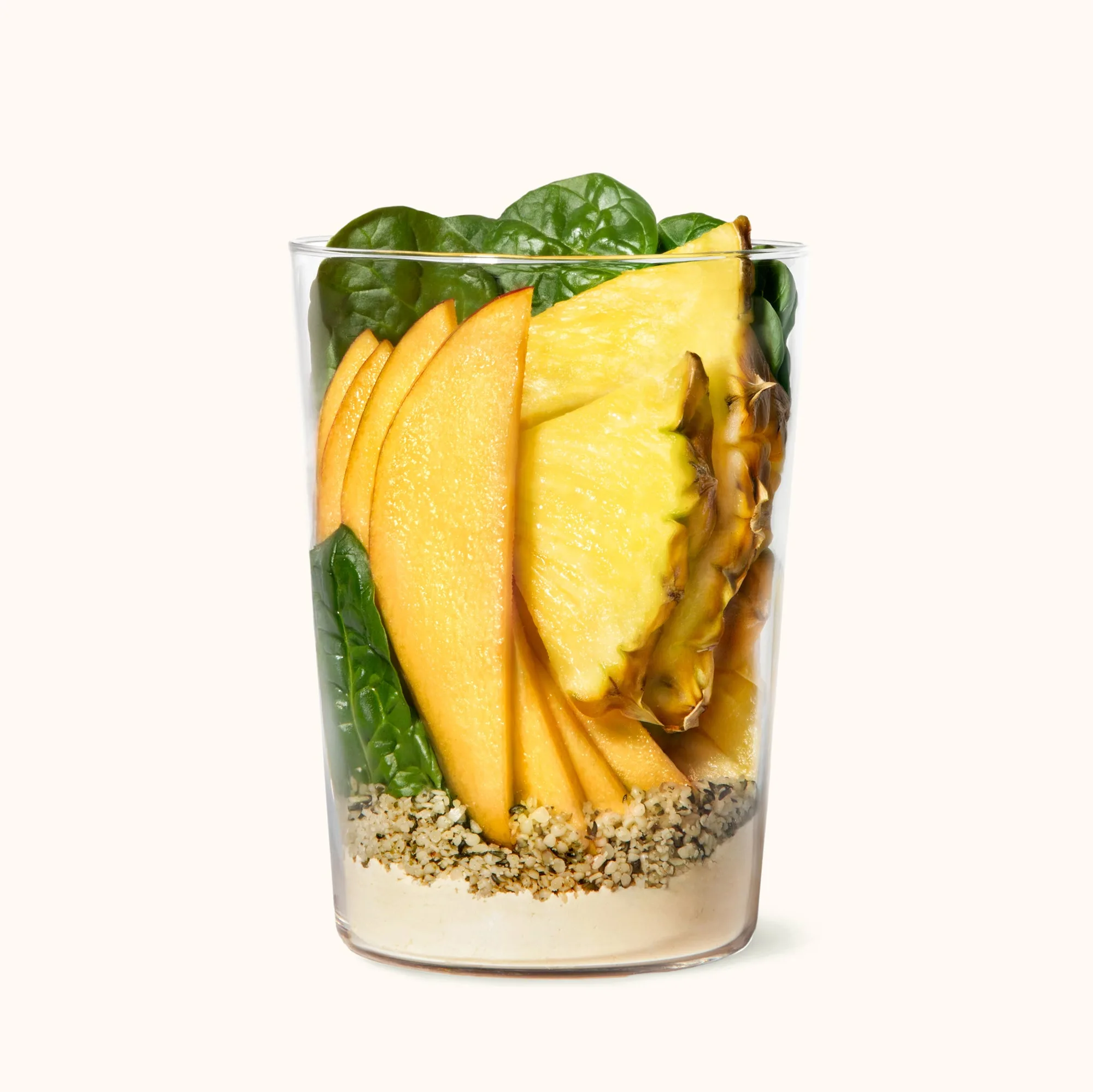
Whey protein, particularly in concentrate form, can contain lactose that ferments in the gut, leading to discomfort. Even whey isolates, which have most lactose removed, can still trigger reactions in highly sensitive individuals. If you’re prone to digestive issues, switching to a plant-based option like Vanilla Bean Protein may help you meet your protein goals without the side effects.
- Pea protein is naturally lactose-free and hypoallergenic
- Whey isolate reduces but doesn’t eliminate lactose
- Fiber content in pea protein supports gut health
Amino Acid Profile and Muscle Building
Both pea and whey protein are complete proteins, but they differ in their amino acid ratios. Whey is higher in methionine and cysteine, while pea protein is richer in lysine. For muscle building, the leucine content is key—whey typically has slightly more leucine per serving, but pea protein can be fortified or paired with other plant proteins to match it.
Studies show that pea protein can stimulate muscle protein synthesis just as effectively as whey when consumed in adequate amounts. For most active individuals, 20-30 grams of pea protein post-workout is sufficient. Products like https://purebite.shop/products/blueberry-maple-pecan-protein-92544Blueberry Maple Pecan Protein combine pea protein with natural flavors and antioxidants, making recovery both effective and delicious.
- Whey has slightly higher leucine, but pea protein is comparable
- Pea protein pairs well with rice protein for a complete profile
- Both support muscle repair when consumed post-exercise
Environmental Impact and Sustainability
From an environmental standpoint, pea protein has a clear advantage. Peas require less water and land to grow than dairy farming, and they fix nitrogen in the soil, reducing the need for synthetic fertilizers. Organic pea protein production also avoids harmful pesticides, supporting biodiversity.
Whey protein, even from organic dairy farms, has a larger carbon footprint due to methane emissions from cows and the resources needed for feed and water. If reducing your environmental impact is a priority, choosing organic plant-based proteins like those in Daily Harvest’s smoothie lineup is a meaningful step toward a more sustainable diet.
- Pea protein uses significantly less water than dairy production
- Organic farming practices protect soil health and ecosystems
- Whey production contributes to greenhouse gas emissions
Taste and Texture in Smoothies
Taste is subjective, but pea protein has a reputation for being earthy or slightly gritty. However, modern processing and blending with fruits and flavors have greatly improved its palatability. When mixed into a smoothie with ingredients like banana, almond milk, or cocoa, the earthy notes are easily masked.
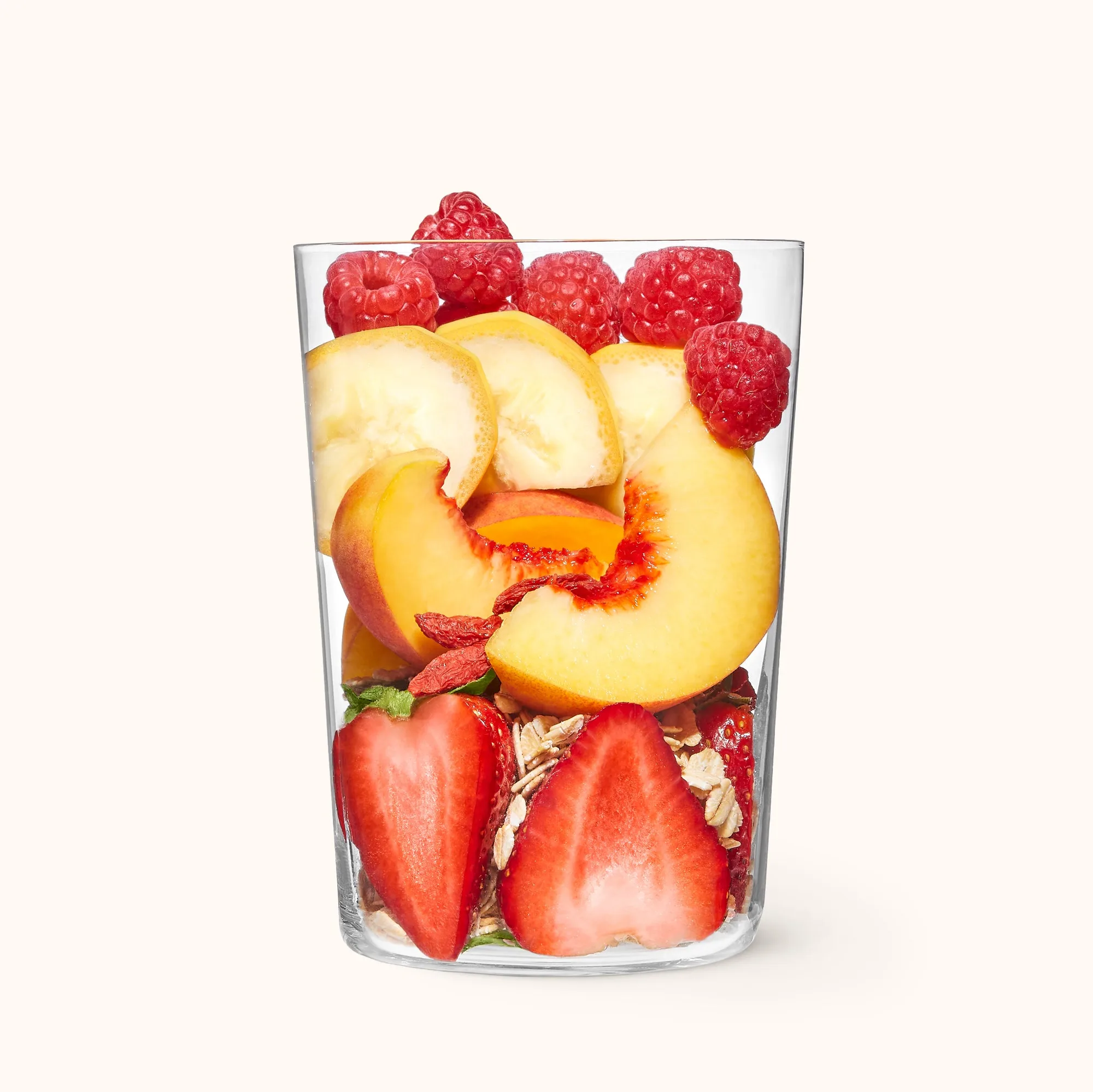
Whey protein tends to have a creamier texture and a milder taste, which many people find more neutral. That said, sweetened whey powders can be overly sugary. For a naturally sweetened option, try Strawberry + Peach smoothie, which uses organic pea protein alongside real fruit for a refreshing, balanced flavor without artificial sweeteners.
- Pea protein blends well with strong flavors like chocolate or berry
- Whey provides a smoother, creamier texture in shakes
- Organic fruit-based smoothies enhance the taste of pea protein
Ultimately, both pea protein and whey protein can help you meet your nutritional needs, but organic pea protein offers distinct advantages in digestibility, sustainability, and allergen-friendliness. If you’re ready to try a clean, plant-based protein source, explore Daily Harvest’s smoothies like Nutty Banana Protein or Vanilla Bean Protein to enjoy a delicious, nutrient-packed boost that supports your health and the planet.