If you’ve ever opened a fresh jar of natural peanut butter only to be greeted by a thick layer of oil floating on top, you’re not alone. Oil separation is a completely natural process in nut butters made without stabilizers or hydrogenated fats. While it’s a sign of a pure, additive-free product, it can be frustrating when you’re in a hurry and just want a smooth spread.
Fortunately, there are simple peanut butter storage tips that can minimize separation, make stirring easier, and keep your nut butter in perfect condition from first scoop to last. Whether you prefer a classic crunch or a smooth, creamy texture, these techniques will help you enjoy every last bit without the mess.
Why Does Natural Peanut Butter Separate?
Natural peanut butter is made by grinding roasted peanuts into a paste. Peanuts are naturally high in oil—about 50% fat—and when they’re ground, the oil is released. Without added emulsifiers like palm oil or hydrogenated vegetable oil, the lighter oil gradually rises to the top while the heavier peanut solids settle at the bottom. This is especially common in brands that use only peanuts and salt, such as the Crunchy Peanut Butter 470g or the Smooth Peanut Butter 1kg.
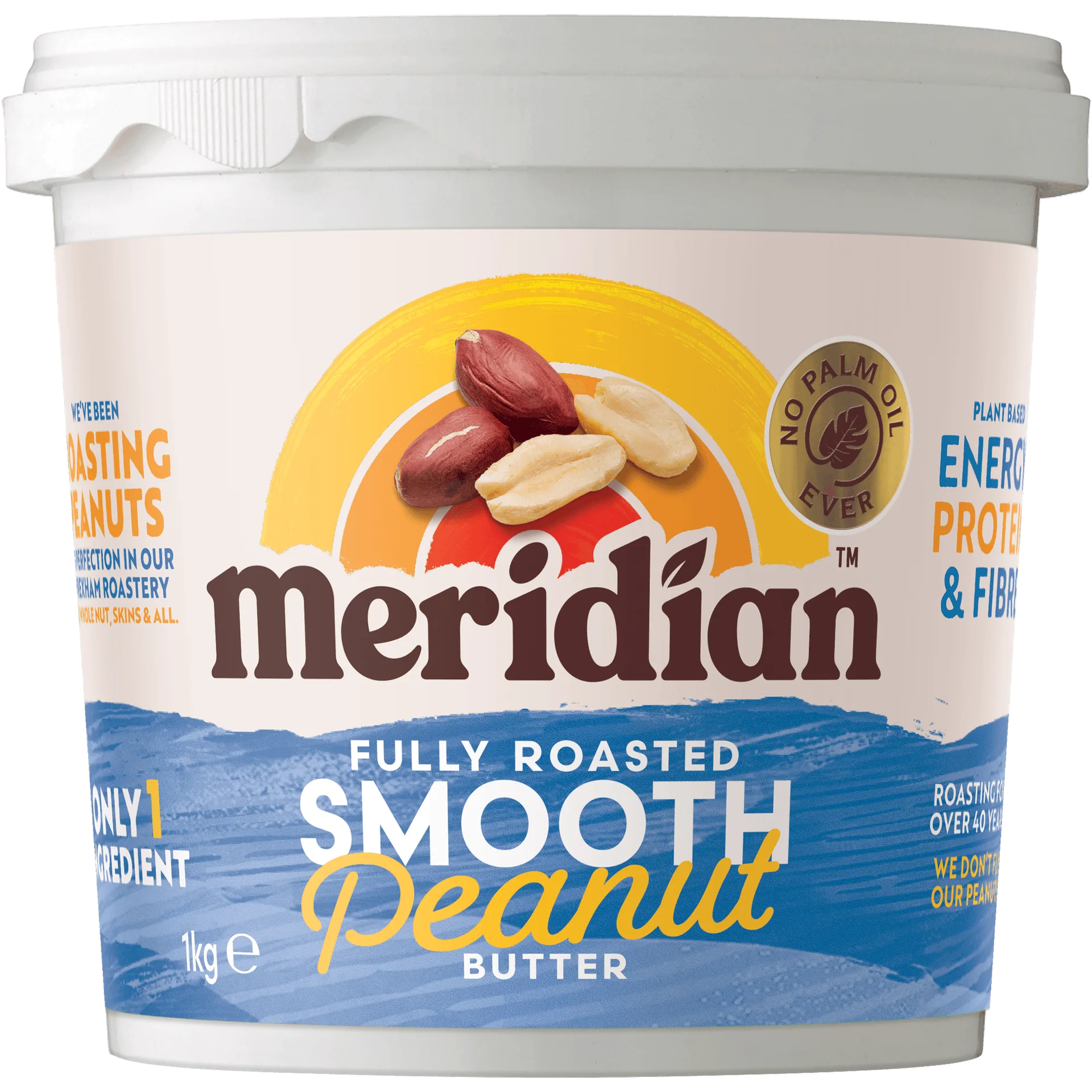
Smooth Peanut Butter 1kg
Temperature also plays a role. Warm conditions cause the oil to become more fluid and separate faster, while cooler temperatures can solidify the oil slightly, making it harder to stir. Understanding this natural process is the first step to managing it effectively.
- Oil separation is a sign of a pure, natural product with no stabilizers.
- Warmer storage speeds up separation; cooler storage slows it down.
- Different grind sizes (crunchy vs smooth) may separate at slightly different rates.
The Best Storage Method to Reduce Separation
One of the most effective peanut butter storage tips is to store your jar upside down. When you flip the jar, the oil has to travel through the thicker peanut butter to rise, which slows down separation significantly. Simply close the lid tightly and store the jar upside down in your pantry. Before each use, flip it right side up and give it a quick stir—the oil will already be more evenly distributed.
For those who use larger jars, like the Crunchy Peanut Butter 470g, this method works especially well because the greater volume means more oil to manage. Another option is to store your peanut butter in the refrigerator. Cooler temperatures thicken the oil, making it less likely to separate rapidly. However, refrigeration can make the butter harder to spread, so you may need to let it sit at room temperature for a few minutes before use.
- Store jars upside down to redistribute oil naturally.
- Refrigeration slows separation but may firm up the texture.
- Always use a clean, dry utensil to avoid introducing moisture or bacteria.
How to Mix Separated Peanut Butter Like a Pro
Even with the best storage, some separation is inevitable. The key is knowing how to mix peanut butter thoroughly without making a mess. Start by using a butter knife or a long-handled spoon to break the peanut butter layer at the bottom. Stir slowly from the bottom up, folding the solids into the oil. If the jar is very full, scoop a small amount of the peanut butter into a bowl, mix it with the oil, and then return it to the jar.
For jars like the Organic Crunchy Peanut Butter 280g, which may have a denser texture, you can warm the jar slightly by placing it in a bowl of warm water for a few minutes. This softens the peanut butter and makes stirring much easier. Avoid microwaving the jar directly, as it can create hot spots and alter the flavor. Once mixed, you can store it upside down again to maintain consistency.
- Use a long utensil to reach the bottom of the jar.
- Warm the jar gently in warm water if the butter is too stiff.
- Mix small batches in a separate bowl for easier handling.
Choosing the Right Jar Size to Minimize Waste
The size of your peanut butter jar can affect how much separation you experience. Larger jars, such as the 1kg size, have more surface area and volume, meaning the oil has to travel farther to separate fully. This can actually make separation less noticeable, because the oil layer is thinner relative to the total volume. However, larger jars also take longer to finish, so the product may sit on your shelf for weeks.
Smaller jars, like the 170g or 280g sizes, are easier to consume quickly, which reduces the time available for separation to occur. If you’re someone who uses peanut butter occasionally, consider buying smaller jars to keep your supply fresh and minimize the need for frequent stirring. The Organic Crunchy Peanut Butter 280g is a great middle-ground option—large enough to last a while, but small enough to finish before separation becomes a problem.
- Smaller jars are consumed faster, reducing separation time.
- Larger jars have a thinner oil layer relative to the total volume.
- Choose a size that matches your consumption rate.
Additional Tips for Other Nut Butters
The same storage principles apply to other natural nut and seed butters. Almond butter, for example, tends to separate even more quickly than peanut butter because almonds have a higher oil content. The Smooth Almond Butter 170g and Crunchy Almond Butter 170g both benefit from upside-down storage and gentle stirring. For seed butters like tahini, which is made from sesame seeds, separation is also common. The Organic Light Tahini 270g can be stored upside down and stirred with a small whisk to reincorporate the oil.
If you enjoy variety, consider trying a blended option like the Coconut & Almond Butter 170g. These blends often have a different oil profile and may separate at a different rate, but the same storage and mixing tips apply. Experiment with different storage locations in your pantry to find the coolest, darkest spot—this will help all your nut butters stay fresher longer.
- Almond butter separates faster than peanut butter—store upside down.
- Tahini benefits from whisking to reincorporate oil.
- Blended butters may have unique separation patterns.
With these simple peanut butter storage tips, you can say goodbye to frustrating oil separation and enjoy a perfectly mixed, creamy spread every time. Whether you prefer a classic crunch or a smooth texture, proper storage and stirring techniques make all the difference. Ready to stock up? Explore our range of natural nut butters, including the Organic Crunchy Peanut Butter 280g, and keep your pantry well-supplied with pure, delicious options.