Two peanut forms, different bird visitors
Peanuts are a high-energy favorite for many garden birds, but the form you choose can determine which species visit. Peanut granules are small, broken pieces, while whole peanuts — including those still in shells — offer a different feeding experience. This comparison looks at the practical differences so you can match the food to the birds in your garden.
Peanut granules vs whole peanuts: key differences
Both products come from the same nut, but their size and presentation change how birds eat them. Here is how they compare for common garden birds.
- Bird species attracted: Peanut granules are described as perfect for small birds, attracting wrens, tits, chaffinches, greenfinches, sparrows, and thrushes. Whole peanuts in shells are noted as a favorite for woodpeckers and blue tits, as well as parrots and other caged birds.
- Ease of eating: Granules are ready to eat with no shell to crack, making them accessible to smaller-beaked birds. Whole peanuts in shells require the bird to break the shell, which suits stronger-beaked species like woodpeckers.
- Nutritional profile: Peanut granules are high in protein. Whole peanuts in shells are high in unsaturated fats, oils, minerals, and vitamins, providing energy and health-promoting nutrients.
- Mess and waste: Granules produce fewer shell fragments and are less likely to be carried away whole. Whole peanuts in shells leave empty shells on the ground, which some gardeners may prefer to avoid.
What each product offers
-
Copdock Mill Peanut Granules 20kg: Tested & approved quality peanuts, high in protein, perfect for small birds. Attracts: Wrens, Tits, Chaffinches, Greenfinches, Sparrows, and Thrushes. If your garden is visited by small, perching birds, peanut granules give them a quick, easy food source without the need to crack shells.
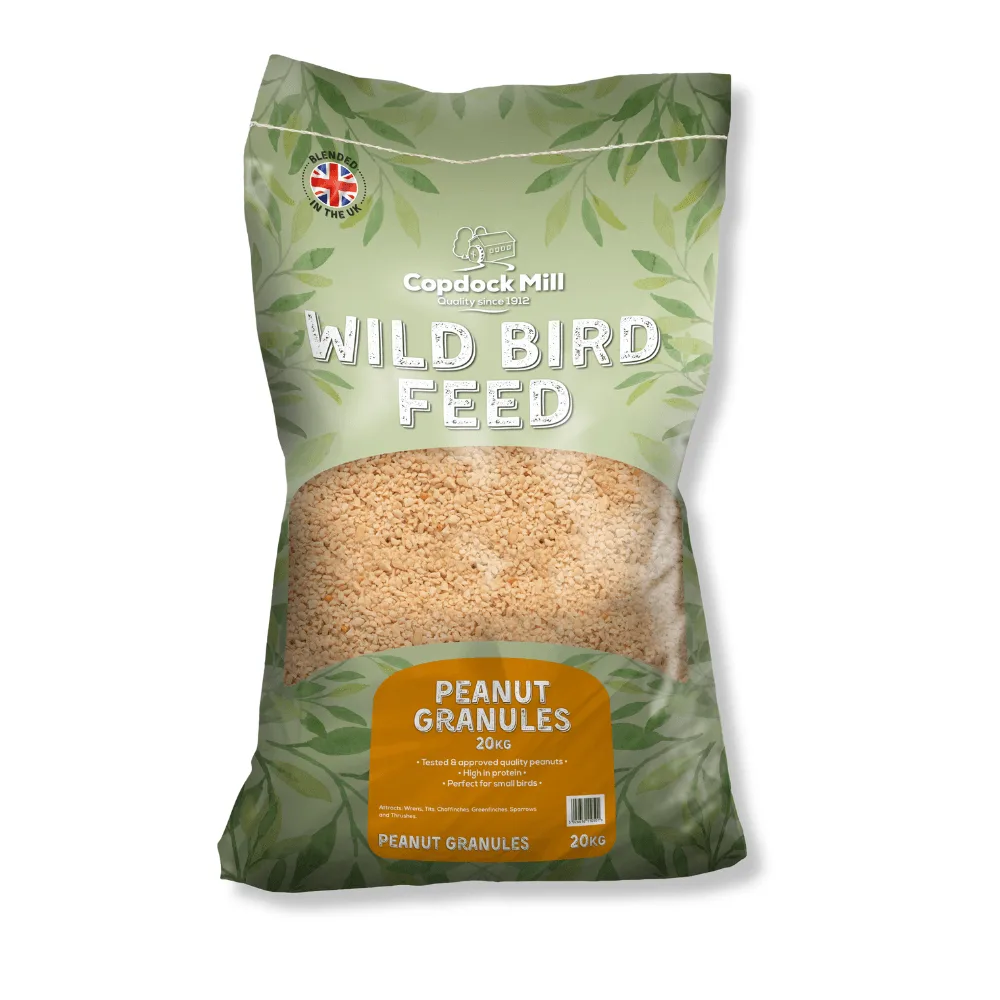
Copdock Mill Peanut Granules 20kg
-
Peanuts In Shells 11.34kg: Peanuts in shells are high in natural unsaturated fats and oils, minerals and vitamins. They are a great treat for wild birds, especially woodpeckers and blue tits. For attracting woodpeckers or providing a more natural foraging activity, whole peanuts in shells offer both nutrition and engagement.
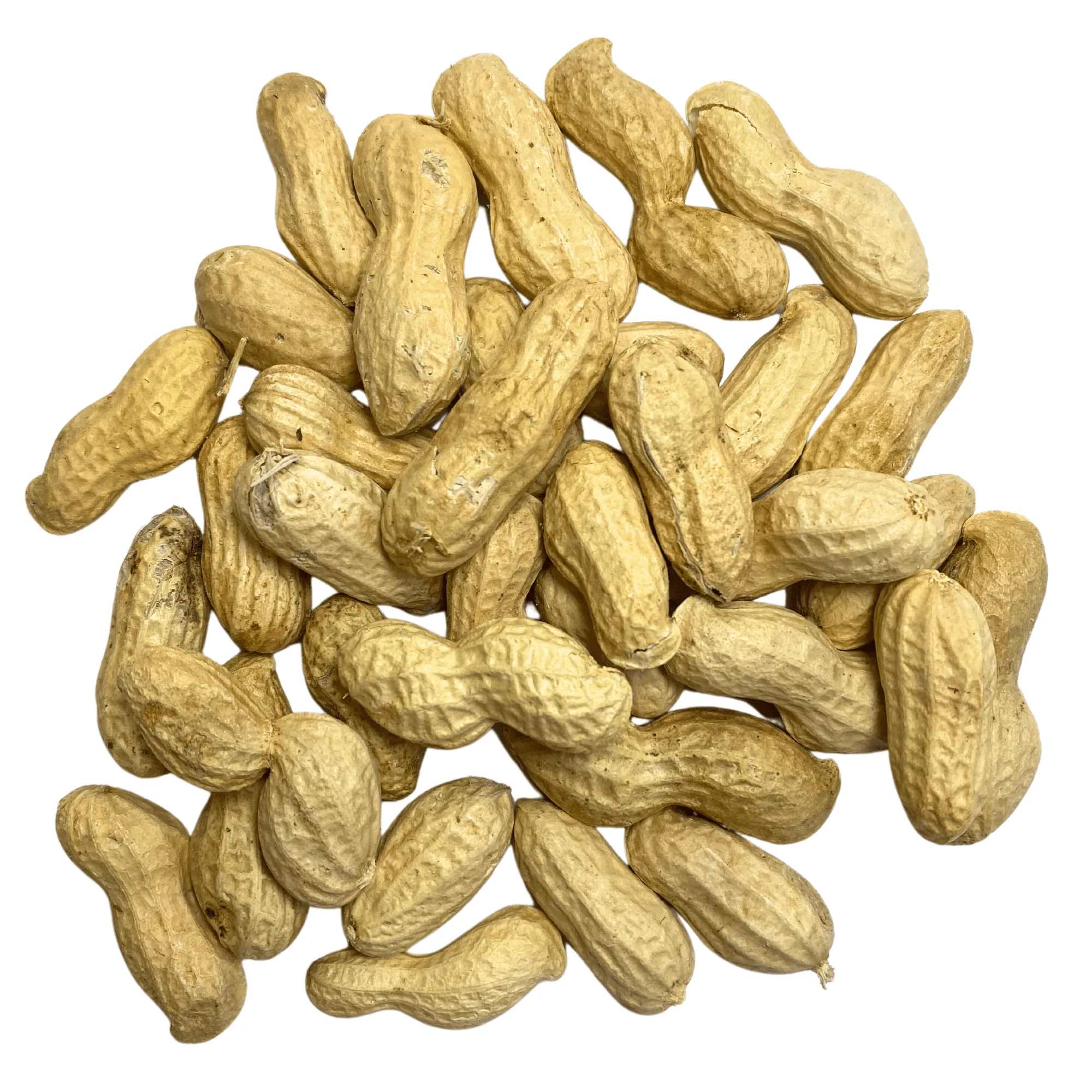
Peanuts In Shells 11.34kg
How to choose between the two
Start by noting which birds already visit your feeders. If you see many small finches, tits, and sparrows, peanut granules are a convenient, high-protein option that they can eat easily. If woodpeckers are common or you want to encourage them, whole peanuts in shells give them the challenge and high-energy reward they enjoy.
You can also offer both in separate feeders to cater to a wider range of species. Just be aware that whole peanuts may be taken by larger birds or squirrels, and shells will need occasional cleanup.
What the product details do not tell you
The supplied information does not include feeding quantities, frequency, or storage instructions. It also does not specify whether these peanuts are suitable for human consumption or if they have been tested for aflatoxins. For best results, use a feeder designed for peanuts or granules, and store in a cool, dry place to maintain freshness.