Why Drawing Emotions Works
Children often struggle to put feelings into words. Drawing gives them a safe, nonverbal way to show what they feel. The Pencil Set (6 colors) offers six distinct colors that kids can use to represent different emotions—happy, sad, calm, angry, surprised, or scared—without needing to talk about it first.
This approach is sometimes called art therapy, but you don't need a therapist to try it at home. A simple prompt like "Draw how you feel today" can open a door to emotional expression. The pencil set becomes a tool for emotional literacy, helping kids connect colors to feelings.
Simple Emotion Drawing Activity
Try this straightforward activity with the Pencil Set (6 colors). It works for ages 3 and up, with or without adult help.
- Choose a feeling: Ask your child to pick one feeling they have right now. If they need ideas, offer a short list: happy, sad, angry, calm, surprised, or scared.
- Pick a color: Let your child choose a pencil color that matches that feeling. There are no wrong answers—blue might mean sad or calm, red might mean angry or excited. The choice is part of the expression.
- Draw freely: Encourage your child to draw anything that comes to mind: a shape, a scene, or just lines and scribbles. The goal is not a perfect picture but honest expression.
- Talk about it (optional): If your child wants to share, ask open questions like "Tell me about your drawing" or "What does that color mean to you?" Avoid correcting or interpreting—just listen.
What the Pencil Set Offers
-
Pencil Set (6 colors): The Pencil Set (6 colors) includes six colored pencils in a set. Six colors give enough variety for basic emotion mapping without overwhelming a child. Each color can represent a different feeling, making it easy to start emotion drawing activities.
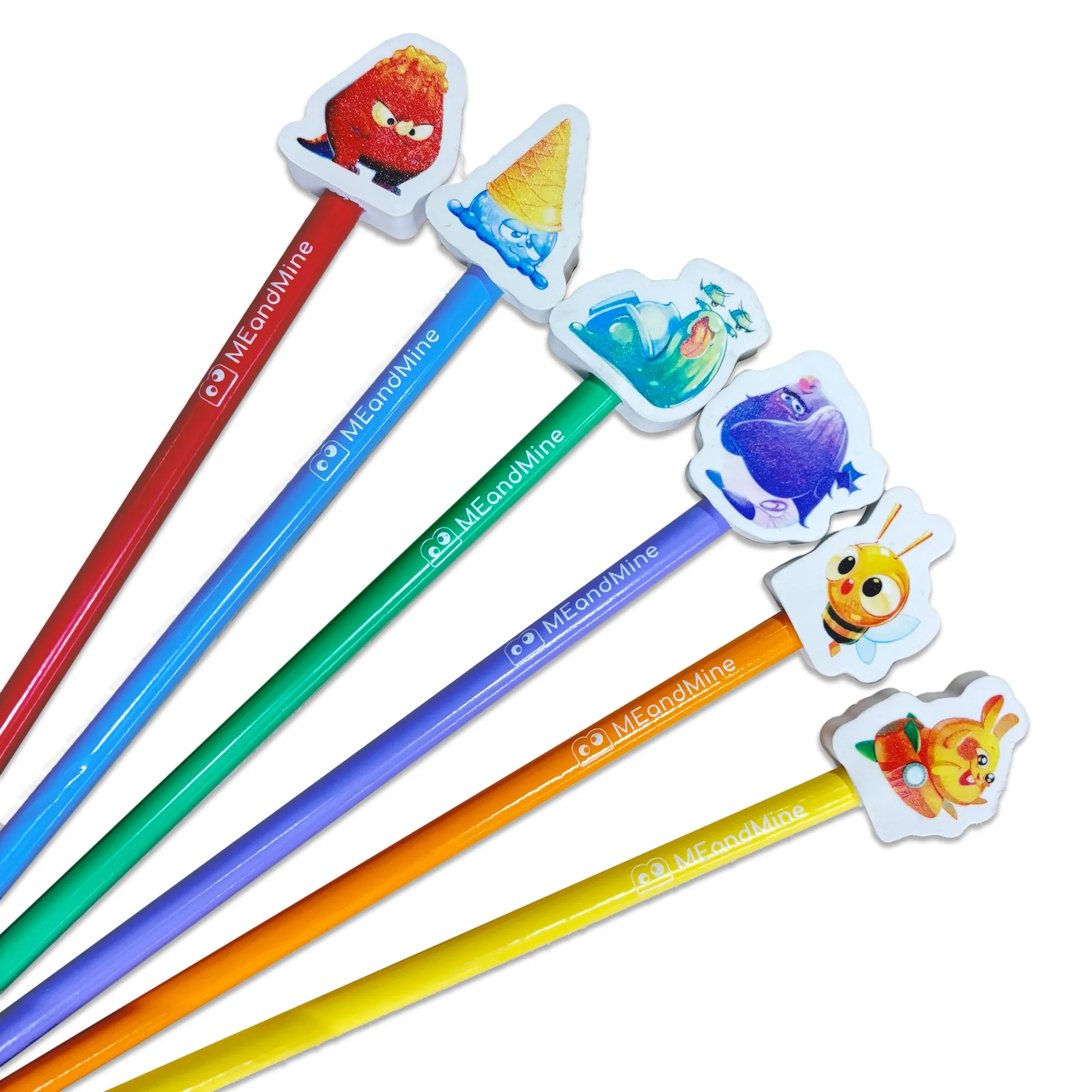
Pencil Set (6 colors)
-
Pencil Set (6 colors): The set is priced at $4.96 (compared to $8.00). At this low price point, the pencil set is an affordable way to introduce art-based emotional expression at home or in a classroom.
More Ways to Use the Pencil Set
Beyond the simple activity above, you can use the Pencil Set (6 colors) for other emotion-focused drawing prompts:
• Color wheel of feelings: Draw a circle and divide it into six sections. Assign one color to each section and label it with a feeling. This helps kids see how emotions relate to colors.
• Emotion diary: Each day, ask your child to draw a quick picture of one emotion they felt. Over time, they can see patterns in their emotional life.
• Story drawing: Read a short story and ask your child to draw how a character felt at different moments. This builds empathy and emotional vocabulary.
The pencil set is not a therapy tool, but it supports emotional literacy through creative play. The supplied information does not include specific instructions for these activities, so feel free to adapt them to your child's age and interests.