Start with the scent and the burn time you are working with
LUNA CANDLE is built around rose, midnight bergamot and fir balsam, and the catalog lists an approximate burn time of 32 hours. That number is the most useful planning tool you have: it tells you roughly how many evenings of scent you can expect if you care for the candle consistently. The catalog does not specify wax type, vessel dimensions, wick material or a first-burn duration, so the routine below sticks to habits that apply to any candle and leaves the rest open.
The goal of good candle care is simple: keep the flame steady, help the wax melt evenly, and avoid the tunneling and soot that shorten a candle's useful life. None of that requires special equipment, just a little attention each time you light it.
What the catalog confirms about LUNA CANDLE
-
LUNA CANDLE: Burn time: approximately 32 hours. Use this as your planning baseline: it sets expectations for how long the candle should last with regular care, and it is the only burn-time figure the catalog provides.
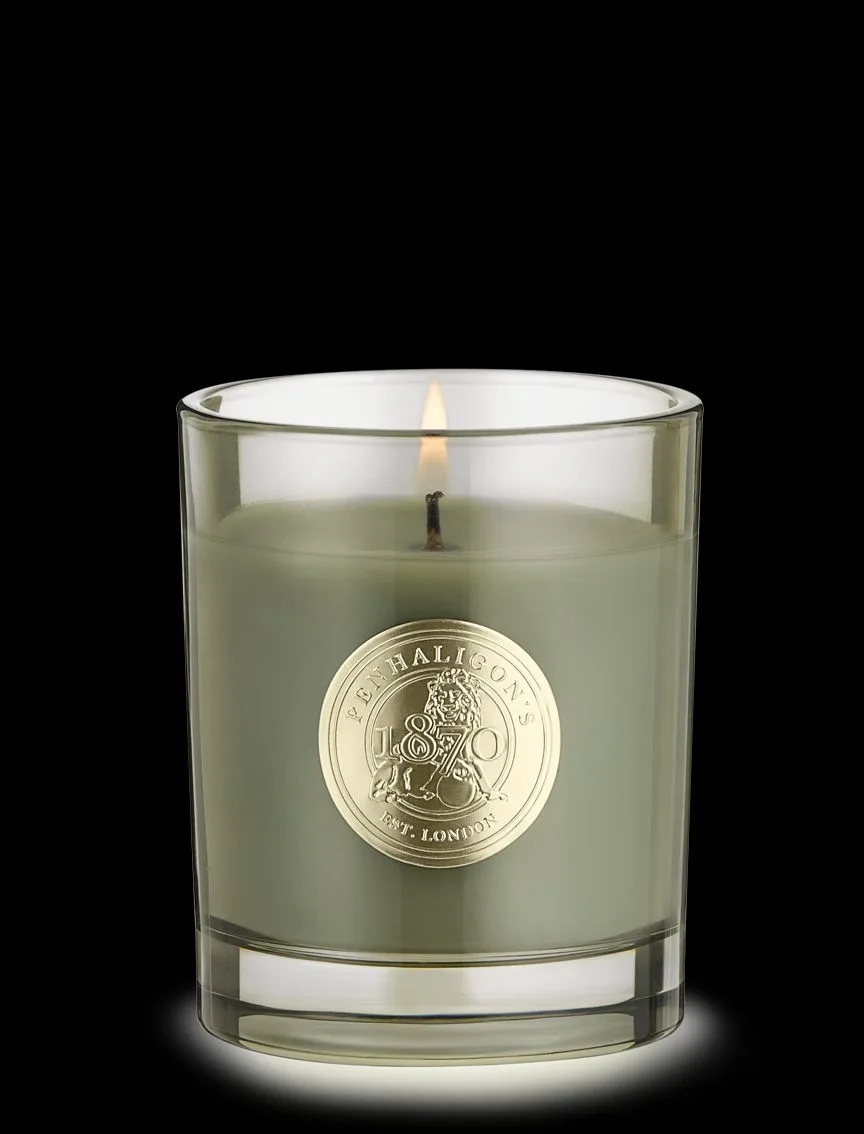
LUNA CANDLE
-
LUNA CANDLE: Scent notes: rose, midnight bergamot and fir balsam. Knowing the notes helps you decide when to burn it and how much of the room you want it to fill, rather than treating it as a generic candle.
A simple burn routine, from first light to last
These steps focus on the habits that protect an even melt pool and a clean burn. Where the catalog does not give a specific number, the step describes the principle rather than inventing a figure.
- Trim the wick before every burn: A wick that is too long can produce a large, smoky flame and uneven melting. Trim it to a short, tidy length before lighting, and remove any charred bits. The catalog does not specify an exact wick length for LUNA CANDLE, so aim for a modest trim rather than a deep cut.
- Let the wax melt across the surface: On each burn, keep the candle lit long enough for the melted wax to reach the edge of the vessel. This helps prevent a tunnel forming down the center, which wastes wax and shortens the candle's life. The catalog does not give a first-burn duration, so judge by the melt pool rather than a clock.
- Keep the burn session reasonable: Very long sessions can overheat the vessel and soften the wax too much. The catalog does not state a maximum burn time, so use your judgment and let the candle cool once the melt pool is established.
- Extinguish without smoke: A candle snuffer or a gentle breath reduces smoke and keeps the scent clean. Avoid blowing hard, which can spatter wax.
- Recentering the wick: After extinguishing, while the wax is still soft, nudge the wick back to the center if it has drifted. This helps the next burn stay even.
Wick trimming tips that make a visible difference
Wick care is the single most repeated piece of candle advice because it affects flame size, soot and scent throw. These tips are general best practice, not a manufacturer instruction for LUNA CANDLE.
- Trim before lighting, not after: Trimming a warm wick can smear wax and leave debris in the melt pool. Do it when the candle is cold and the wick is firm.
- Remove the trimmings: Discard the cut pieces rather than leaving them in the wax, where they can catch the flame or discolor the pool.
- Check for mushrooming: A rounded, bulbous tip on the wick is a sign it needs trimming. Snip it back to a clean edge before the next burn.
- Keep the wick centered: A wick that leans toward the glass can cause uneven melting and a hotter spot on one side. Straighten it gently when the wax is soft.
Planning around the approximate 32-hour burn time
Thirty-two hours is roughly a month of short evening burns, or a couple of weeks of longer sessions. Treat it as an estimate, not a guarantee: wick trimming, burn length and how far the wax melts each time all affect how much of that time you actually get. If you want the candle to last through a particular season or occasion, keep sessions modest and trim consistently.
The catalog does not state a wax type, so it is not possible to say from the supplied information whether the wax is soft or hard, or how it behaves in different room temperatures. That is a limit of the record, not a fault in the candle.
Everyday maintenance between burns
A few small habits keep the candle looking and performing well without requiring any special products.
- Keep the wax free of debris: Dust, match heads and wick trimmings can all affect the burn. A quick check before lighting is enough.
- Store it away from heat and direct sun: Warmth can soften wax and warp the surface. A cool, dark shelf is the safest default.
- Wipe the inside of the vessel if it soots: A dry cloth removes light soot marks. The catalog does not give a cleaning method, so avoid harsh cleaners or water inside the vessel.
- Retire the candle when the wax runs low: Stop burning when the wax level gets close to the base of the wick. Burning to the very bottom can overheat the vessel.
What the supplied information does not cover
The catalog entry for LUNA CANDLE gives the scent notes and an approximate burn time, but it does not include safety warnings, a first-burn time, wick length, wax composition or vessel dimensions. If you need those details, check the packaging or the product page before your first burn. The routine above is built on general candle care, not on manufacturer-specific instructions, so treat it as a sensible starting point and adjust to what you observe.