Quick answer
Store pepper spray at room temperature, roughly 60-80°F, and treat a hot car glove box or a freezing overnight as a short-term exception, not a home. Heat and repeated temperature swings are the bigger threat because they can raise internal pressure and degrade the OC formula, while freezing mainly thickens the carrier and weakens spray performance. If a canister has sat through a full summer in a glove box or shows a weak, dribbling spray, replace it rather than trusting it in an emergency.
Why temperature matters more than most people think
Pepper spray is a pressurized canister filled with an OC (oleoresin capsicum) formula, a carrier, and a propellant. Each part reacts differently to temperature. Heat increases internal pressure and can stress seals, while cold thickens the carrier and reduces how far and how evenly the stream travels. That is why the same canister can feel fine in October and unreliable after a July spent in a parked car.
The effect is cumulative, not instant. One hot afternoon is unlikely to ruin a canister, but months of heat cycling, direct sun through glass, and freezing nights in a console can add up. Since most people never test a canister until they need it, the damage is usually invisible until the worst possible moment.
What a hot car actually does to a canister
A closed car in summer sun can reach 130-170°F inside, and a glove box or console can sit near the top of that range. At those temperatures the propellant expands, which raises pressure on the seals and the nozzle assembly. A single heat spike may only cause a slight leak or a sticky trigger, but repeated exposure is what shortens usable life.
Heat also stresses the OC formula itself. The active capsaicinoids and the carrier can separate or degrade over time, so even if the canister still sprays, the stream may be weaker or shorter than the rated distance. If your canister has lived in a hot car for a full season, do not count on it as your primary defense.
- Never leave pepper spray on a dashboard or in direct sun.
- A console or glove box is cooler than a dash but still hotter than a climate-controlled room.
- If the canister feels unusually pressurized or the trigger sticks, retire it.
Can pepper spray freeze, and does cold ruin it?
Pepper spray can freeze if the carrier and propellant reach a low enough temperature, though the exact freezing point depends on the specific formulation, which is not always published. In practical terms, a canister left in a car overnight in a hard freeze may become sluggish or fail to spray properly until it warms back up.
Cold is usually less destructive than heat. A frozen canister that thaws gradually often returns to normal, but repeated freeze-thaw cycles can still affect the seal and the consistency of the formula. If you carry pepper spray in winter, keep it in an inside pocket or a bag that stays near room temperature rather than leaving it in a cold vehicle.
Glove box, console, or on-body: matching storage to your routine
A glove box is convenient but it is the harshest common storage spot because it combines heat, vibration, and long periods of neglect. If you must keep pepper spray in a vehicle, a locked center console or a shaded door pocket is a slight improvement, and bringing it inside at the end of the day is better still.
For daily carry, an inside jacket pocket, a waistband holster, or a dedicated pouch keeps the canister closer to room temperature and within reach. The tradeoff is that on-body carry requires a canister that is comfortable and secure enough that you will actually keep it with you, which is why compact models with a reliable safety and a clip or band tend to get carried more consistently.
How to check a canister that has seen heat or cold
You cannot fully test a pepper spray canister without discharging it, and once discharged it is spent. What you can do is inspect it. Look for oily residue around the nozzle, a cracked or loose cap, a trigger that does not spring back, or a canister that feels visibly swollen. Any of these are reasons to replace it.
If the canister looks intact and has been stored indoors, check the expiration or replacement date printed on the label. Most manufacturers provide one, and it is the most reliable indicator you have. When in doubt, replace rather than gamble, especially if the canister is your only defensive tool.
Temperature problem diagnosis
- Weak or dribbling spray: The canister may have been exposed to heat that degraded the formula or reduced propellant pressure, or to cold that thickened the carrier. Replace the canister. Do not rely on it for defense.
- Sticky or slow trigger: Heat can soften or warp plastic components and leave residue around the nozzle, causing the trigger to stick. If cleaning the nozzle does not fix it, retire the canister.
- Visible residue or swelling: Oily film around the nozzle or a canister that looks swollen suggests a seal has failed or pressure has built up. Stop using it and dispose of it properly.
- No visible symptoms but a season in a hot car: The canister may look fine but have reduced performance from cumulative heat exposure. Replace it before you need it, and store the new one indoors or on your body.
Products that fit different storage and carry habits
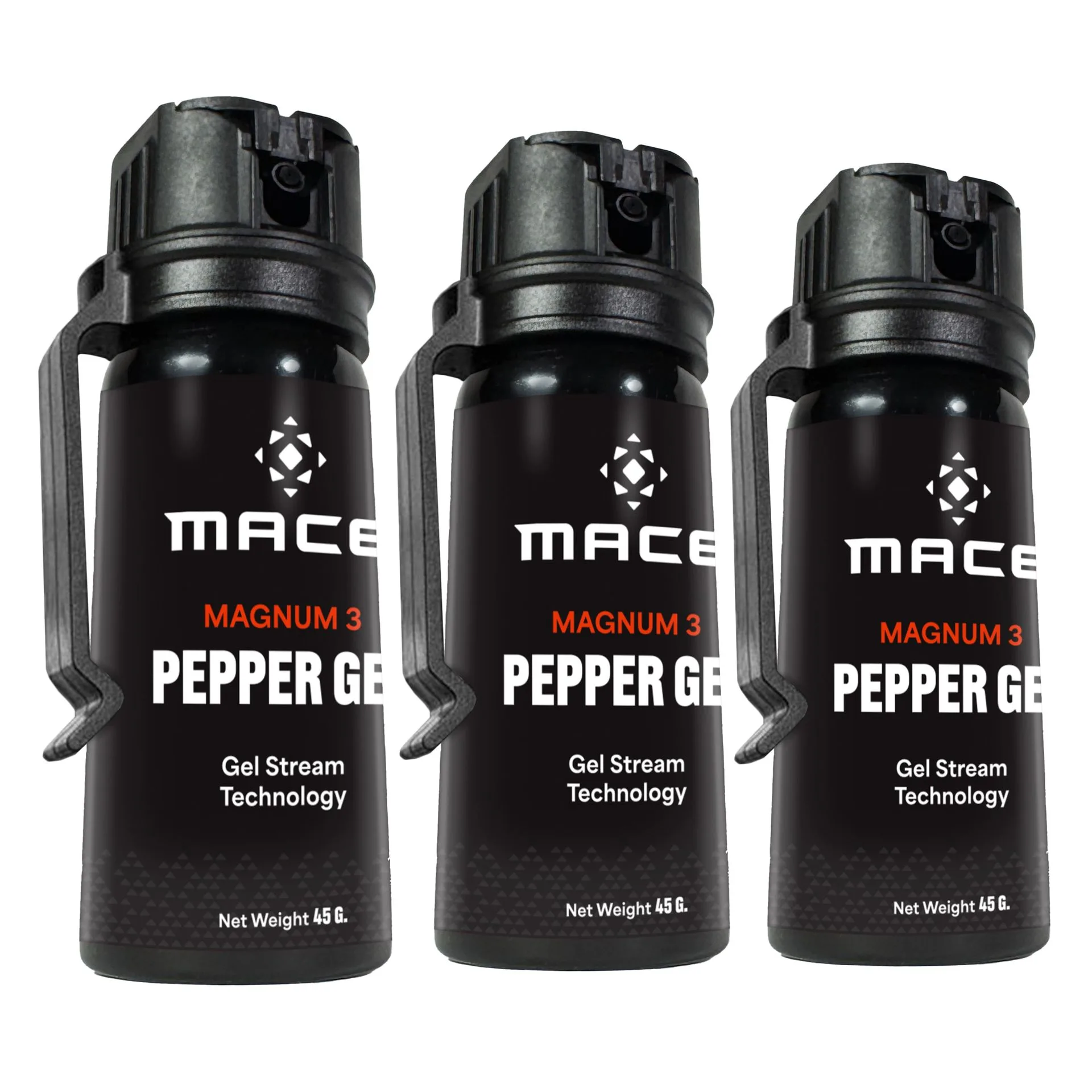
- Mace Magnum 3 Flip Top Pepper Gel - 3 Pack: Mace Magnum 3 Flip Top Pepper Gel - 3 Pack delivers a stream pattern that covers up to 20 feet of range and uses a targeted gel stream that reduces wind blowback. Longer range and less blowback make it easier to keep a canister in a vehicle or on a belt without worrying as much about wind pushing the spray back at you.
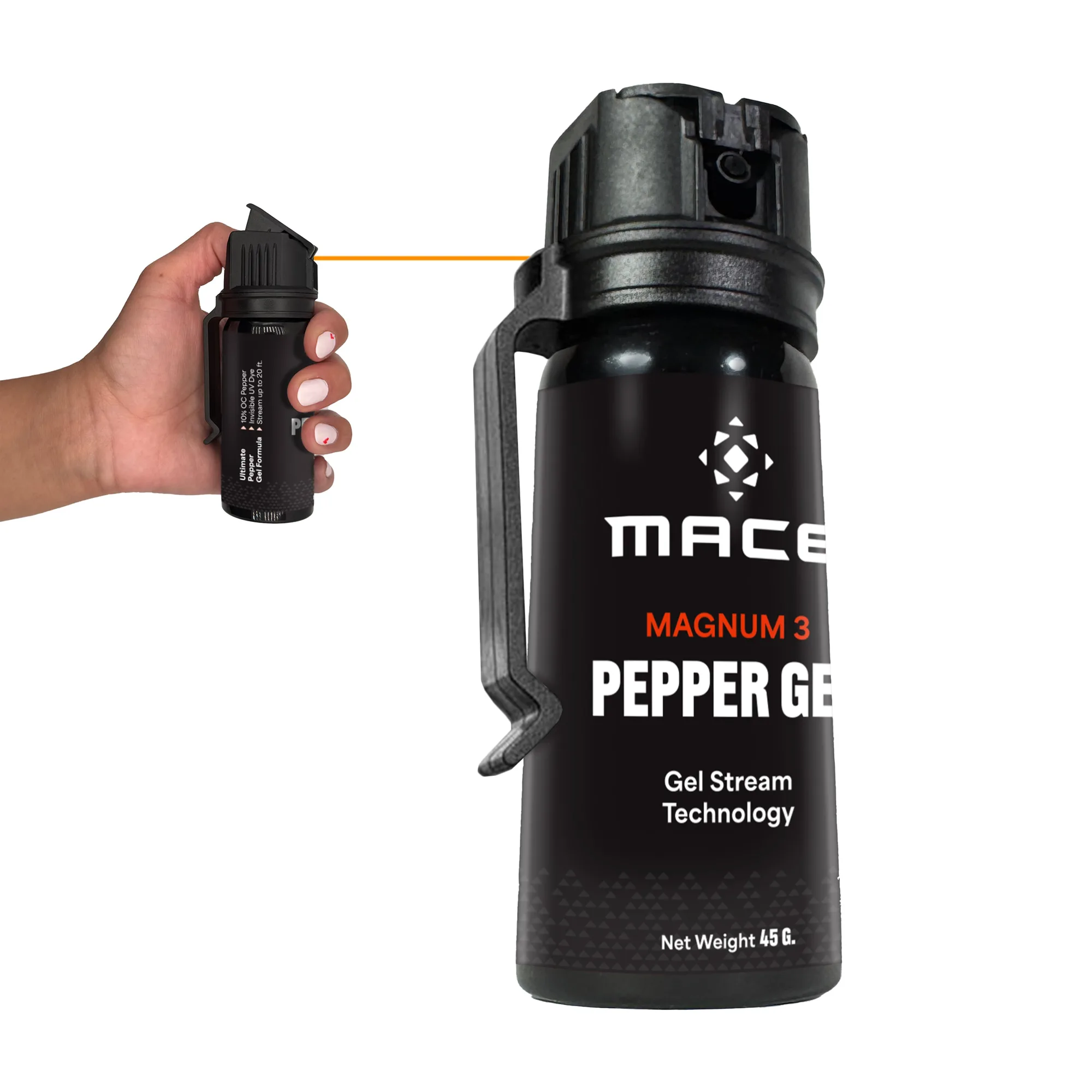
Mace Magnum 3 Flip Top Pepper Gel
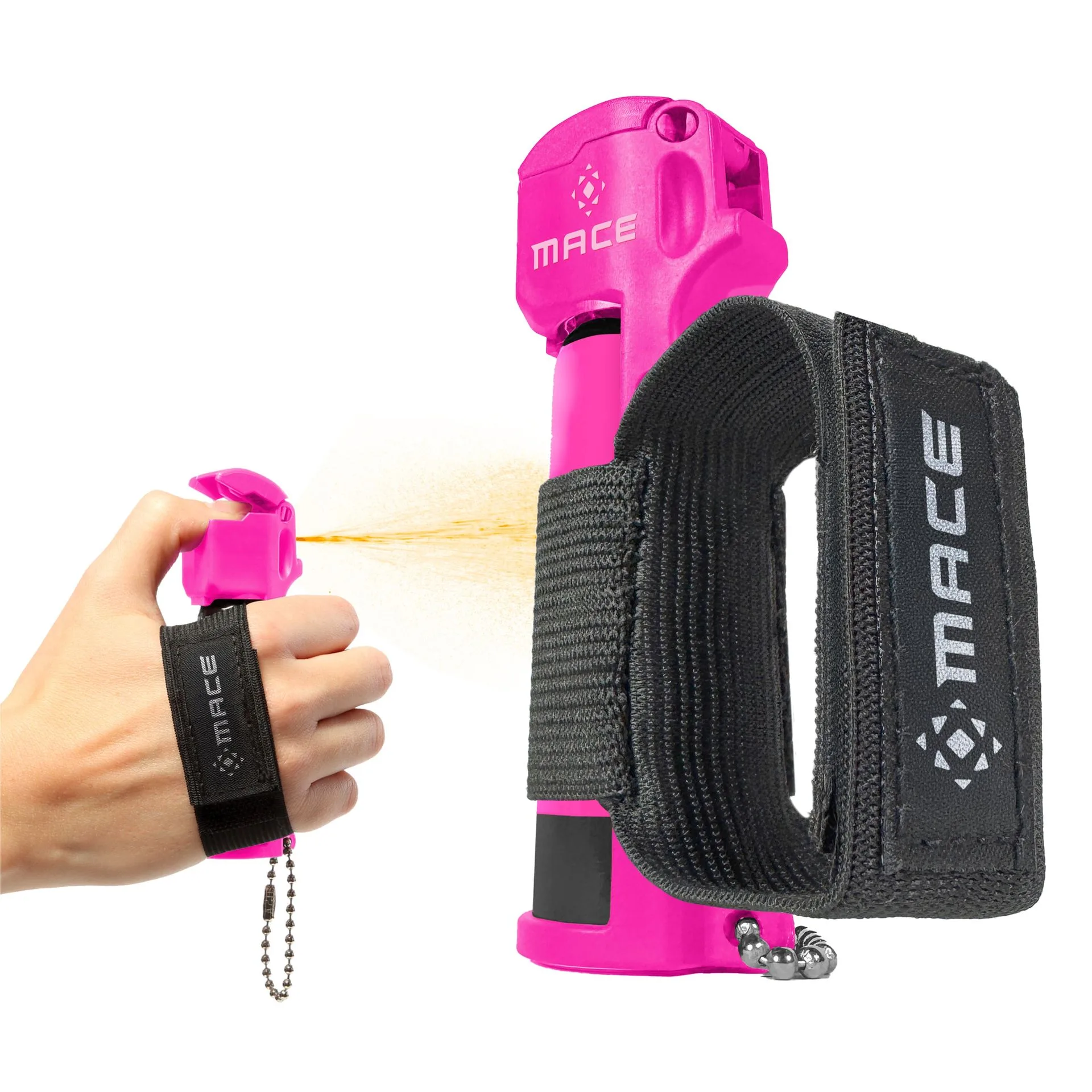
- Mace Flip Top with Sport Band Pepper Spray - Pink: Mace Flip Top with Sport Band Pepper Spray - Pink delivers effective self-defense from a distance with a stream pattern that covers up to 12 feet of range and includes UV dye to help with suspect identification. The sport band keeps the canister attached during walks or runs, which encourages on-body carry instead of leaving it in a hot glove box.