Quick Answer
If you want an active deterrent that can stop an attacker, pepper spray is more effective. If you need a passive, non-confrontational option that alerts others, a personal alarm is better. For most everyday carry, pepper spray offers a stronger defense, but personal alarms are easier to use and legal everywhere.
When you're choosing an everyday carry self-defense tool, the two most common options are pepper spray and personal alarms. Both are compact and accessible, but they work in fundamentally different ways. Pepper spray actively incapacitates an attacker, while a personal alarm draws attention and can scare off a threat. Understanding the tradeoffs helps you pick the tool that fits your routine and comfort level.
This comparison focuses on practical differences: stopping power, ease of use, discreetness, and legal considerations. We'll also look at specific pepper spray models that show how small and carry-friendly these tools can be, so you can make an informed choice.
How Pepper Spray Works for Self-Defense
Pepper spray is an inflammatory agent that causes temporary blindness, pain, and breathing difficulty when sprayed into an attacker's eyes. It gives you a window to escape and is widely used by law enforcement and civilians. The effects are immediate but temporary, lasting around 30 to 45 minutes, which is enough time to get to safety.
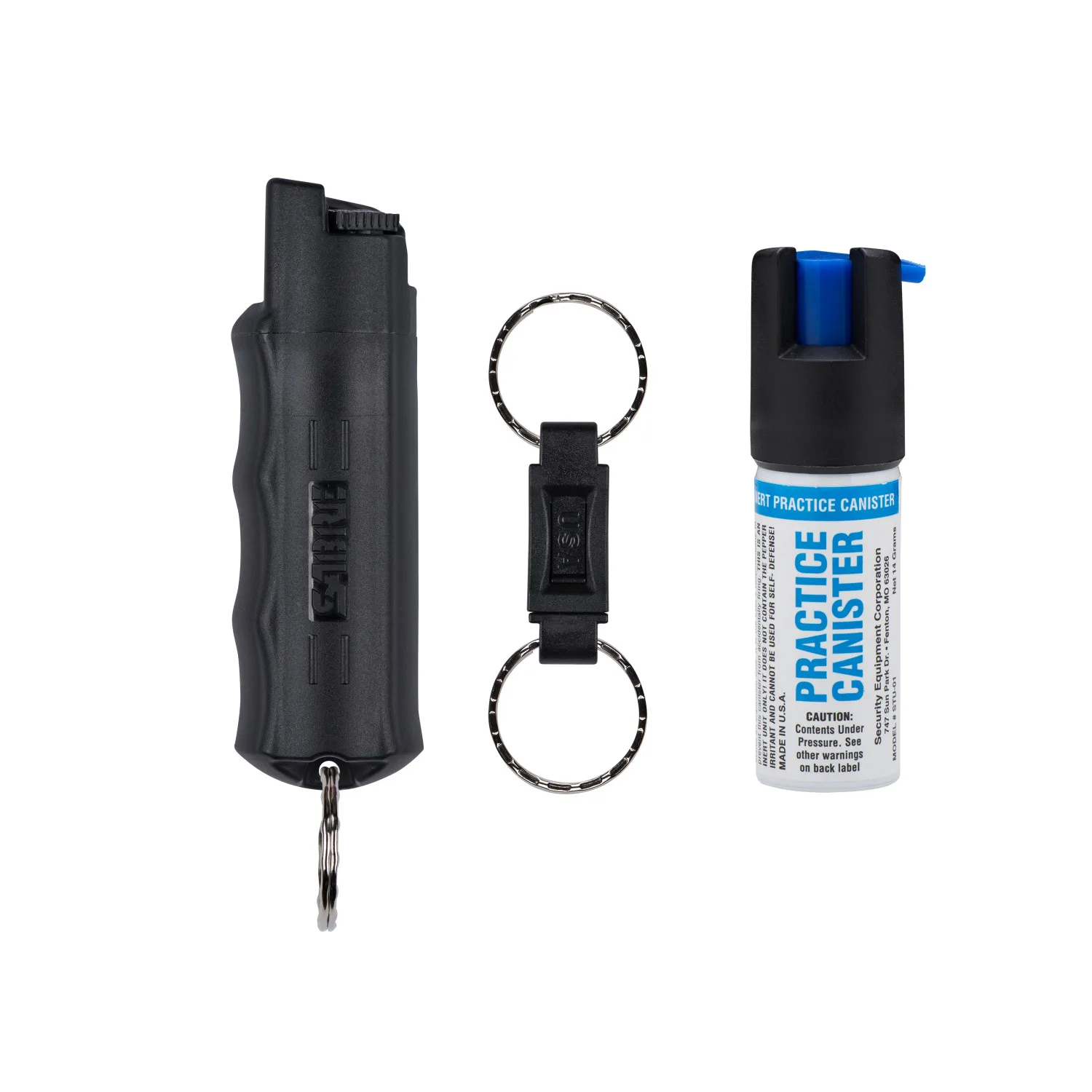
The key advantage is its stopping power. Unlike a personal alarm, which relies on others responding, pepper spray directly neutralizes the threat. However, it requires some training to deploy accurately, especially under stress, and you must be aware of wind direction to avoid blowback. It's also important to practice with an inert canister to build muscle memory.
- Check your local laws before carrying pepper spray, as some areas restrict size or strength.
- Practice with a practice canister to improve your aim and reaction time.
How Personal Alarms Work for Self-Defense
Personal alarms are small devices that emit a loud siren (often 120+ decibels) when activated. They are designed to startle an attacker, alert bystanders, and draw help. They are non-violent, legal everywhere, and easy to use—even a child can pull a pin or press a button.
Their main limitation is that they don't physically stop an attacker. If no one is nearby to respond, the alarm may not deter a determined aggressor. They are best used as a deterrent and to attract attention, but they don't provide active defense. Some models include a flashlight or can be integrated into keychains for convenience.
- Test your alarm regularly to ensure it's loud and functional.
- Place it where you can reach it quickly, such as on a keychain or in a pocket.
Tradeoffs at a Glance
- Stopping Power: Pepper spray incapacitates an attacker, giving you time to escape. Personal alarms only alert others and may not stop a determined threat. Choose pepper spray if you want active defense.
- Ease of Use: Personal alarms are simpler to activate—pull a pin or press a button. Pepper spray requires aiming and a steady hand under stress. Choose an alarm if you want a tool that works with minimal training.
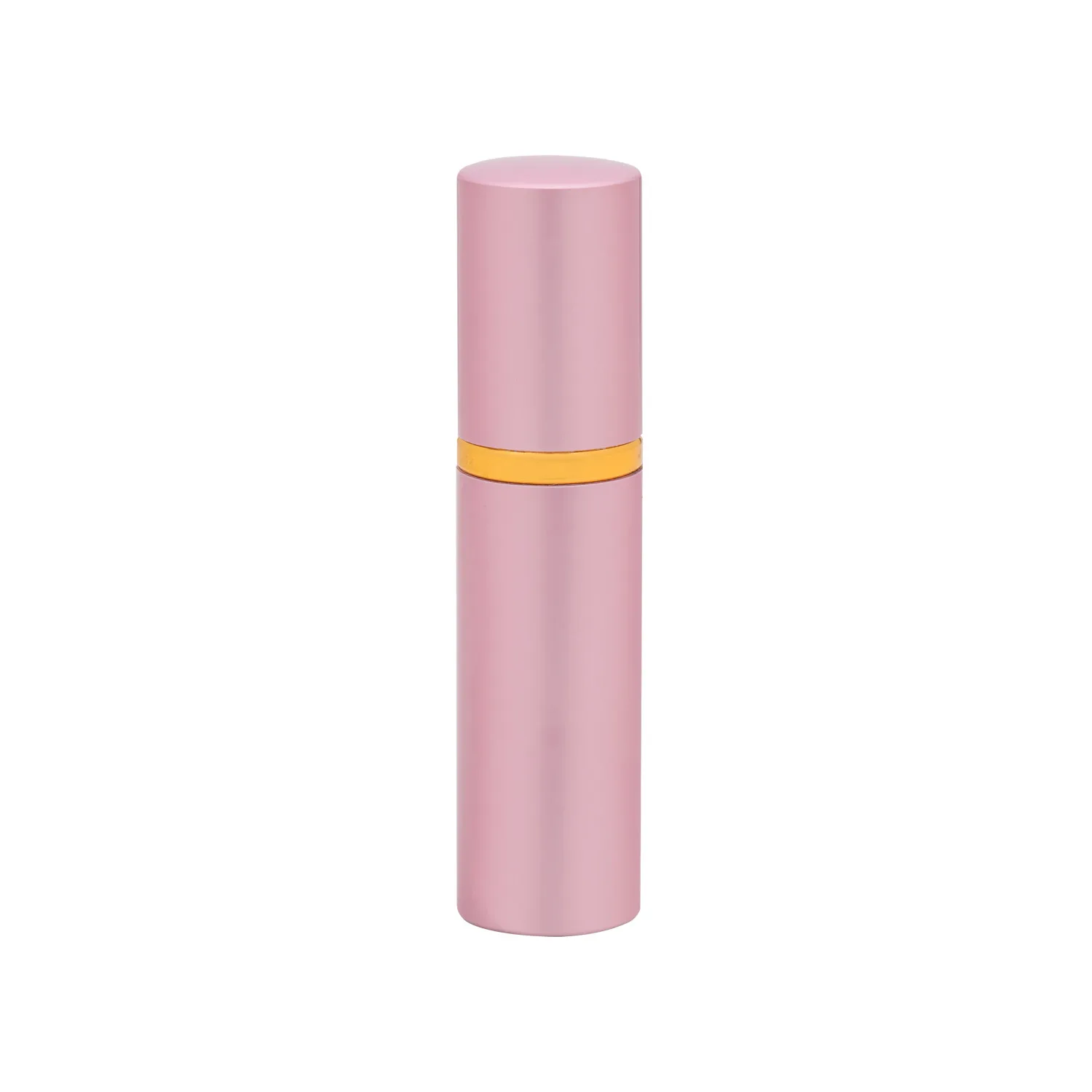
- Discreetness: Pepper spray can be disguised as lipstick or a keychain, while personal alarms are often visibly electronic devices. Choose pepper spray if you prefer a covert carry option.
- Legality: Personal alarms are legal everywhere. Pepper spray may be restricted in some areas, so check local laws before carrying. Choose an alarm if you travel to areas with strict pepper spray regulations.
Pepper Spray Options for Everyday Carry
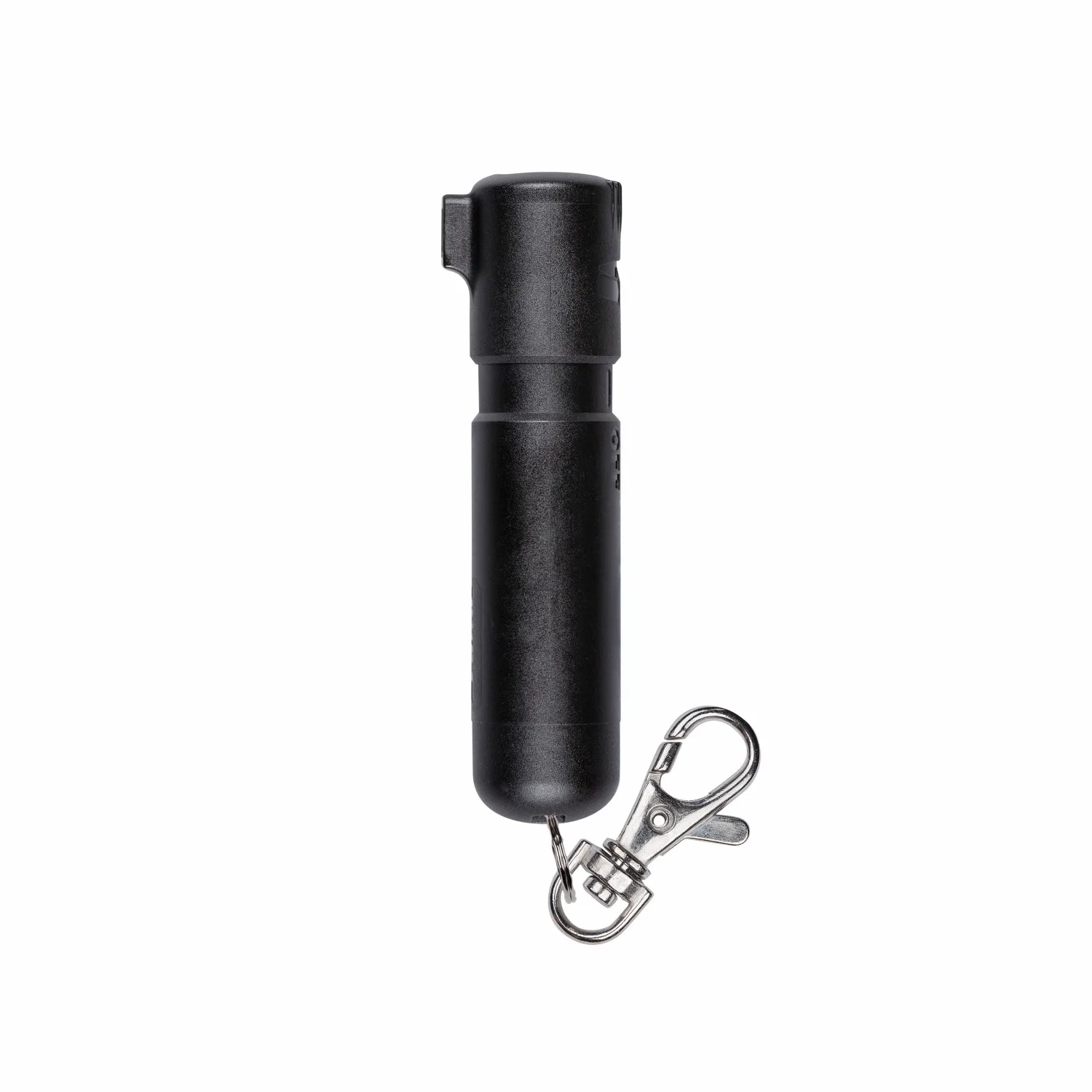
- Mighty Discreet Pepper Spray with Snap-Clip Keychain: Get small size but powerful protection with SABRE RED Mighty Discreet Pepper Spray. Take it practically anywhere to increase your safety and security. This model shows that pepper spray can be as compact and carry-friendly as a personal alarm, fitting easily on a keychain or in a pocket.
- Lipstick Pepper Spray: Stay stylish and safe with SABRE Lipstick Pepper Spray. Compact, discreet, and powerful protection designed for women. Trusted by millions for self-defense. If discreetness is your priority, this spray looks like a cosmetic item, so it doesn't broadcast that you're armed—a key advantage over a visible personal alarm.
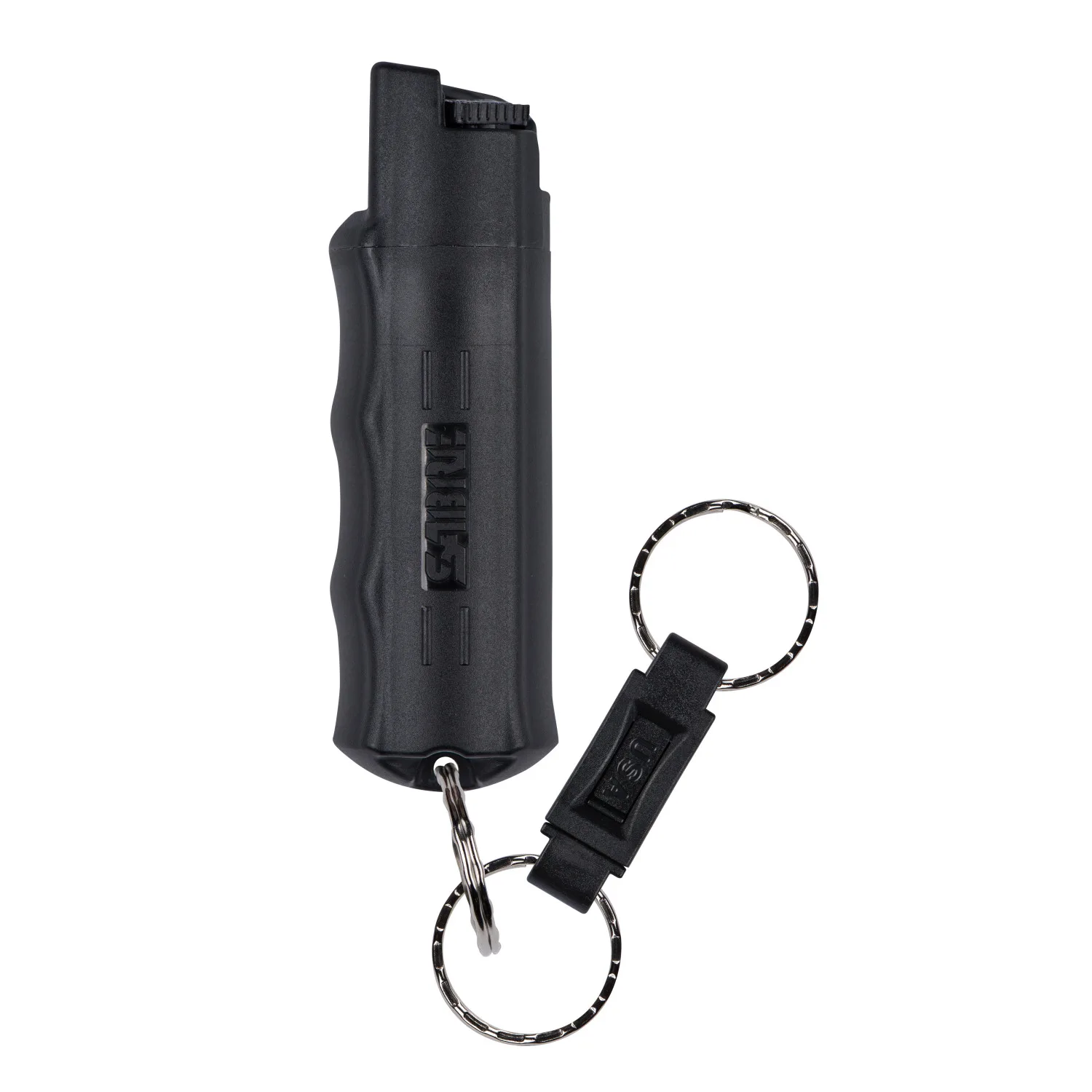
- https://sabreredes.com/products/pepper-spray-with-quick-release-keychain-and-practice-spray-canister-371395Pepper Spray with Quick Release Keychain and Practice Spray Canister: Stay protected with SABRE's Practice Spray Canister and quick release pepper spray. Easy to carry, ideal for self-defense training and personal safety on the go. This bundle includes a practice canister, addressing the training gap that makes pepper spray more effective than an alarm in a real encounter.
Which Should You Choose?
Pepper spray is best for
- People who want an active deterrent that can stop an attacker
- Those willing to practice with a training canister to build confidence
- Everyday carry in areas where pepper spray is legal
Personal alarms are better for
- People who prefer a non-violent, passive tool
- Those who cannot legally carry pepper spray
- Individuals who want an easy-to-use device without training
In the pepper spray vs personal alarm debate, there's no single 'best' choice—it depends on your needs. Pepper spray offers real stopping power but requires practice and legal compliance. Personal alarms are simple, legal everywhere, and effective at drawing attention, but they don't neutralize a threat. For many, a combination of both provides the most complete everyday carry defense: use pepper spray as your primary tool and a personal alarm as a backup to alert others.