Start with what the scent is built to do
Perfume "Can I Touch You?" is described as smelling like "The Beginning of Seduction" — a scent for moments when touches are barely felt and breathing just begins to deepen. That framing matters for how you wear it: this is not a loud, room-filling fragrance. It is designed to sit close and unfold slowly.
The structure is simple and easy to work with. Top notes of orange, blood orange and grapefruit open the scent with bright citrus. Patchouli forms the heart, and amber anchors the base. Knowing that order helps you decide where to spray and what to layer — citrus-forward openings fade faster than amber bases, so placement and layering are your main tools.
What the catalog confirms about this perfume
-
Perfume "Can I Touch You?": Top notes: orange, blood orange, grapefruit; heart: patchouli; base: amber. This three-stage structure tells you the scent will open bright and settle warmer — useful when choosing where to spray and what to layer with it.
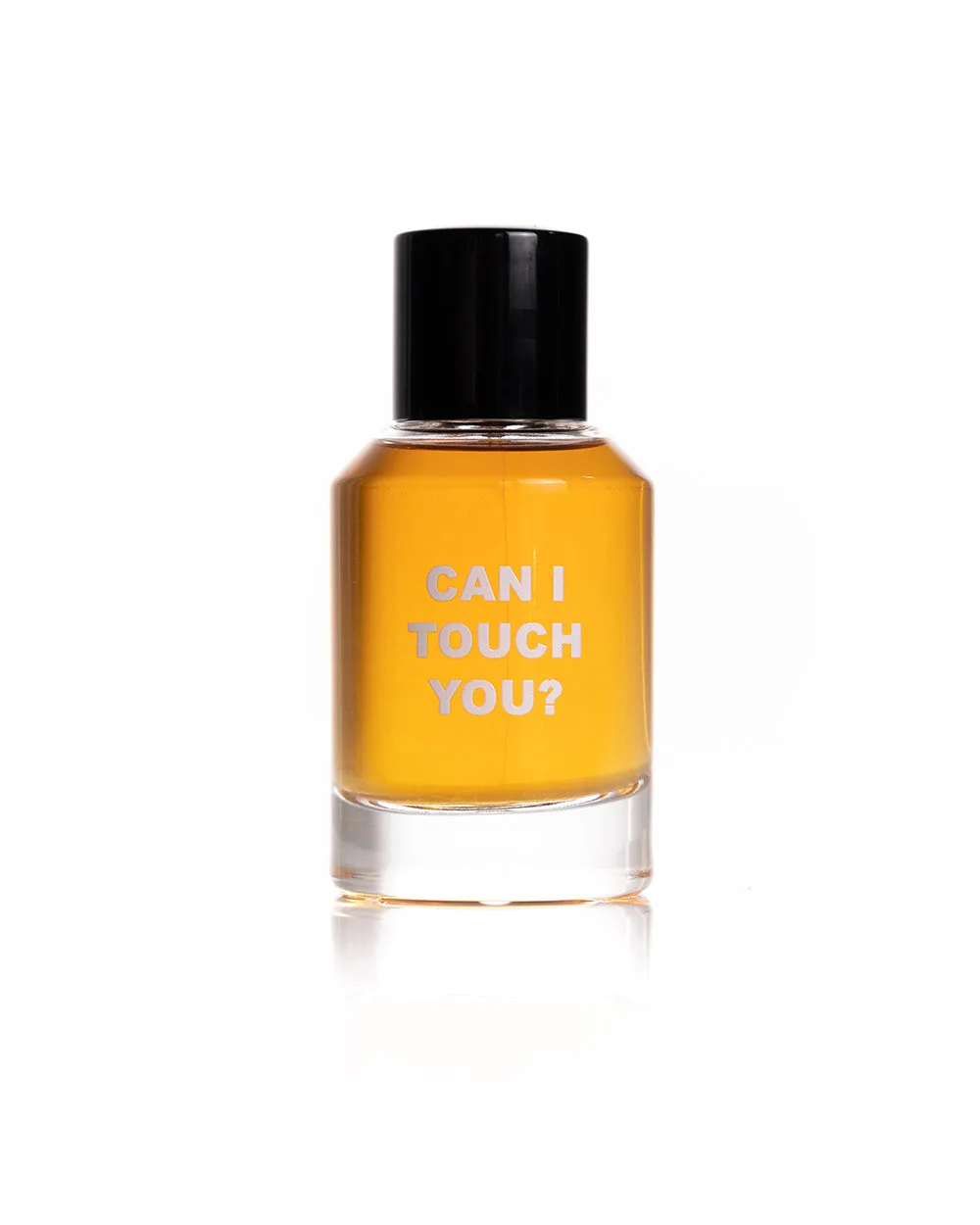
Perfume "Can I Touch You?"
-
Perfume "Can I Touch You?": Available in 10ml and 50ml volumes. The 10ml is practical for reapplying during the day or testing layering; the 50ml suits a signature scent you wear regularly.
-
Perfume "Can I Touch You?": Catalog price is USD 29.20, compared with a catalog comparison price of USD 40.00. Useful context if you are deciding between the two sizes or considering it as a layering scent rather than a single signature.
How to apply Perfume "Can I Touch You?" for a close, lasting wear
The goal with a citrus-and-amber scent is to give the bright opening a chance without losing the warm base too quickly. These steps keep the application deliberate.
- 1. Spray onto moisturized skin: Fragrance settles better on skin that is not dry. Apply an unscented moisturizer first and let it absorb — this gives the citrus top notes something to cling to instead of evaporating immediately.
- 2. Target pulse points, not clothing: Spray onto wrists, the base of the throat, and behind the ears. These areas are warm and hold scent longer. Avoid rubbing your wrists together — it crushes the top notes and speeds up the fade.
- 3. Spray from a short distance: Hold the bottle a few inches from skin and spray once per pulse point. A close spray concentrates the scent where you want it; a distant mist wastes the citrus opening into the air.
- 4. Let it dry down before judging: The orange, blood orange and grapefruit will be sharpest in the first minutes. Give the patchouli heart and amber base time to emerge before deciding whether you want more.
- 5. Reapply with the 10ml if needed: Citrus top notes are the first to fade. A small 10ml bottle lets you refresh the opening later without over-spraying the amber base.
Perfume layering tips that suit this scent profile
Layering works best when you build around the existing structure rather than fighting it. Perfume "Can I Touch You?" already has a clear citrus-to-amber arc, so choose companions that support one end of that arc.
- Layer with a citrus or neroli scent to extend the opening: A light citrus or orange-blossom fragrance applied first can reinforce the top notes and make the bright phase last longer. Keep the second scent simple so the two do not compete.
- Layer with a warm amber or woody scent to deepen the base: If you want the dry-down to feel richer, apply a subtle amber or patchouli-forward product to pulse points before spraying. The base notes will have more to build on.
- Use an unscented body lotion as a neutral base: This is the safest layering move: it improves longevity without changing the scent. Scented lotions can muddle the patchouli and amber.
- Avoid layering with another strong floral or gourmand: Heavy sweet or floral fragrances can overwhelm the delicate citrus opening and turn the composition muddy. If you experiment, apply the stronger scent sparingly and only at the base layer.
Where to spray perfume for different occasions
Placement changes how much of the scent others notice. For a fragrance described as the beginning of seduction — close and intimate — less is usually more.
- Close, intimate settings: One spray at the base of the throat and one on the wrists. The scent stays in your personal space and reveals itself to someone leaning in.
- All-day wear: Add a spray behind the ears or at the nape of the neck. These warm spots keep the patchouli and amber simmering through the day.
- Evening or layered wear: Spray once on the chest and once on the back of the neck. If you are layering with a warm base scent, apply that first and let it settle before adding Perfume "Can I Touch You?".
- What to avoid: Do not spray directly onto delicate fabrics, and avoid misting over hair if you want the scent concentrated on skin. The catalog does not provide fabric or hair-specific guidance, so keep application on skin.
Perfume storage tips to protect the citrus and amber
The catalog does not list specific storage instructions for this perfume, so these are general best practices for fragrance care. They matter most for the citrus top notes, which are the most fragile part of the composition.
- Keep it out of direct sunlight: Light breaks down fragrance molecules, especially citrus. Store the bottle in a cabinet or drawer rather than on a sunny shelf.
- Avoid heat and temperature swings: A bathroom windowsill or a spot near a radiator will shorten the life of the scent. A cool, stable cupboard is better.
- Keep the cap on tight: Air exposure gradually changes the scent. Close the bottle fully after each use.
- Use the 10ml for travel, not the 50ml: Decanting or carrying the smaller bottle reduces how often the larger bottle is opened and exposed to air.
What the supplied information does not confirm
The catalog does not provide specific longevity claims, concentration level, or ingredient safety information for Perfume "Can I Touch You?". It also does not include usage frequency guidance or patch-test results. If you have sensitive skin, test a small amount on your inner wrist before regular wear, and discontinue use if irritation occurs. Treat the application and layering suggestions above as practical starting points rather than manufacturer instructions.