If you have sensitive skin, finding a perfume that doesn't cause redness, itching, or breakouts can feel like a daunting task. Many commercial fragrances contain a cocktail of synthetic chemicals and natural allergens that can trigger reactions. But with the right knowledge, you can navigate the perfume aisle with confidence and discover scents that are both beautiful and gentle on your skin.
In this guide, we'll break down the most common perfume ingredients to avoid, explain why they cause irritation, and offer practical tips for choosing a safe perfume for sensitive skin. Whether you're a fragrance novice or a seasoned collector, this information will help you make smarter, skin-friendly choices.
Common Irritants in Perfume
Many perfumes rely on a complex blend of ingredients to achieve their signature scent. However, some of these ingredients are known to be problematic for sensitive skin. The most notorious culprits include synthetic musks, certain aldehydes, and high concentrations of essential oils like citrus or cinnamon. These can cause contact dermatitis, a form of skin inflammation that manifests as redness, itching, or a rash.
Another group of irritants are the 'parfum' or 'fragrance' mixtures themselves. Under current labeling laws, manufacturers aren't required to disclose every individual component, so a single 'fragrance' can hide dozens of potential allergens. This makes it challenging to pinpoint exactly what's causing your reaction. That's why it's crucial to look for products that either disclose their full ingredient list or are specifically formulated for sensitive skin.
- Synthetic musks: Often used as fixatives, they can be persistent skin sensitizers.
- Aldehydes: These add a sparkling effect but can be harsh on delicate skin.
- Essential oils: While natural, many like lemon, lime, and cinnamon are common irritants.
- Parabens and phthalates: Used as preservatives and plasticizers, they may disrupt skin health.
How to Read Perfume Labels
Learning to decode perfume labels is a game-changer for anyone with sensitive skin. Look for terms like 'hypoallergenic,' 'dermatologist-tested,' or 'fragrance-free' – though note that 'fragrance-free' often means no added scent, which might not be what you want in a perfume. More helpful is to scan the ingredient list for known allergens. The EU has identified 26 fragrance allergens that must be listed if present above certain levels, so familiarizing yourself with these can be very useful.
When you see 'parfum' or 'aroma' in the ingredients, be cautious. These umbrella terms can mask a variety of chemicals. Opt for brands that provide full transparency, like those that list individual components or use only a limited number of natural ingredients. Also, consider the concentration: extraits and parfums have higher oil content, which can be more potent and potentially more irritating than eau de toilette.
- Look for 'hypoallergenic' or 'dermatologist-tested' on the packaging.
- Check for the EU's 26 recognized fragrance allergens.
- Prefer brands that disclose full ingredient lists.
- Start with lower concentrations like eau de toilette if you're new to a scent.
Choosing a Safe Perfume for Sensitive Skin
So, what should you look for in a safe perfume for sensitive skin? First, consider fragrances that are alcohol-free, as alcohol can dry out and irritate the skin. Oil-based perfumes are often a better choice because they moisturize and are less likely to cause a reaction. Additionally, seek out products that use natural, low-risk ingredients and avoid known allergens.
At Sniph, we curate a selection of fragrances that cater to various preferences, and some are particularly well-suited for sensitive skin. For instance, the Lightscape EdT is a fresh, airy scent that is gentle and perfect for everyday wear. Another excellent option is the Melancolia EdP, which is crafted with skin-friendly ingredients and offers a soft, comforting aroma. Always test a new perfume on a small patch of skin before committing to a full wear.
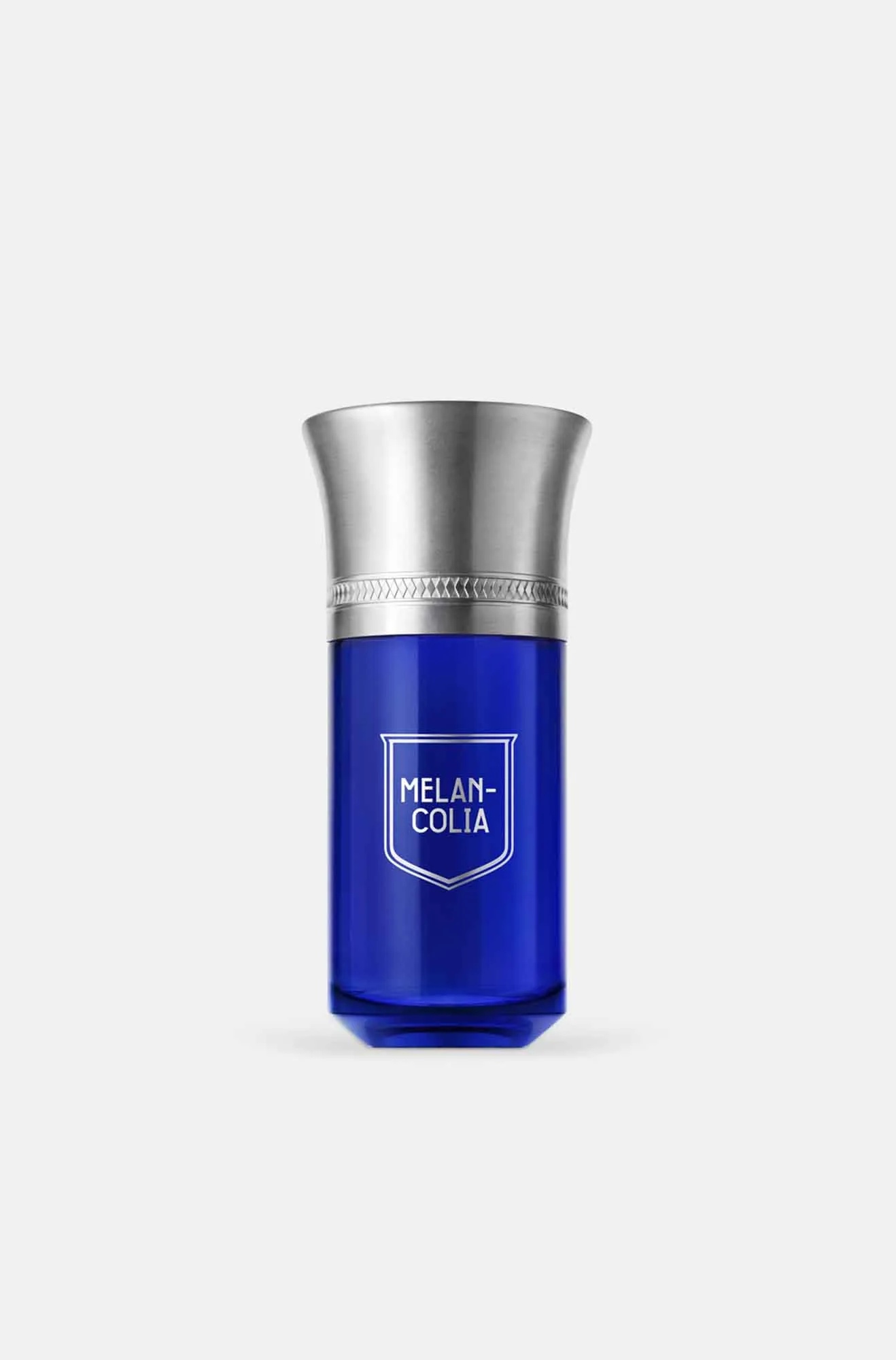
Melancolia EdP
- Opt for alcohol-free or oil-based formulas.
- Choose fragrances with minimal ingredient lists.
- Test on a small area first, like your inner wrist.
- Consider trying a sample size before buying a full bottle.
Hypoallergenic Perfume Options
The term 'hypoallergenic' is not strictly regulated, but products labeled as such are generally formulated to minimize the risk of allergic reactions. These perfumes typically avoid the most common allergens and use fewer ingredients overall. When shopping for a hypoallergenic perfume, look for brands that specialize in sensitive skin or that use only naturally derived, low-irritant components.
One standout in our collection is the St Francesc EdP, which is known for its clean, subtle profile that works well for those with reactive skin. Additionally, the Padre EdP offers a sophisticated scent without the harsh chemicals that often trigger sensitivities. Remember, everyone's skin is unique, so what works for one person may not work for another. Always prioritize your own comfort and reactions.
- Research brands that specialize in hypoallergenic products.
- Look for certifications like 'dermatologist approved' or 'allergy tested'.
- Read reviews from other sensitive-skin users.
- When in doubt, consult a dermatologist for personalized advice.
Finding a perfume that respects your sensitive skin doesn't mean sacrificing style or scent. By avoiding known irritants and choosing carefully formulated fragrances, you can enjoy a beautiful signature scent without the worry of reactions. Explore our curated selection at Sniph, and consider starting with the gentle Lightscape EdT for a safe and refreshing experience. Your skin will thank you.