Have you ever wondered why a perfume smells different an hour after you spray it compared to the first few minutes? The answer lies in the structure of perfume notes. Every fragrance is composed of three layers: top, heart, and base notes. Together, they form the ‘fragrance pyramid’ that determines how a scent evolves on your skin.
Understanding these notes isn’t just for perfume connoisseurs—it helps you choose a fragrance that matches your personality and lasts the way you want. In this guide, we’ll break down each layer, explain how they interact, and show you how to use this knowledge to pick your next signature scent.
What Are Perfume Notes?
Perfume notes are the individual scent ingredients that make up a fragrance. They are categorized by their volatility—how quickly they evaporate. When you spray a perfume, the most volatile molecules hit your nose first, followed by the slower ones. This creates a timeline of scent that unfolds over hours.
The fragrance pyramid is a common way to visualize this. It has three levels: top notes (the initial burst), heart notes (the core of the fragrance), and base notes (the foundation that lingers). Each layer plays a crucial role in the overall experience.
Top Notes: The First Impression
Top notes are the scents you smell immediately after applying perfume. They are light, fresh, and evaporate quickly—usually within 15 to 30 minutes. Common top notes include citrus (lemon, bergamot), light fruits (apple, berry), and herbs (mint, lavender). Their purpose is to grab your attention and lead you into the fragrance.
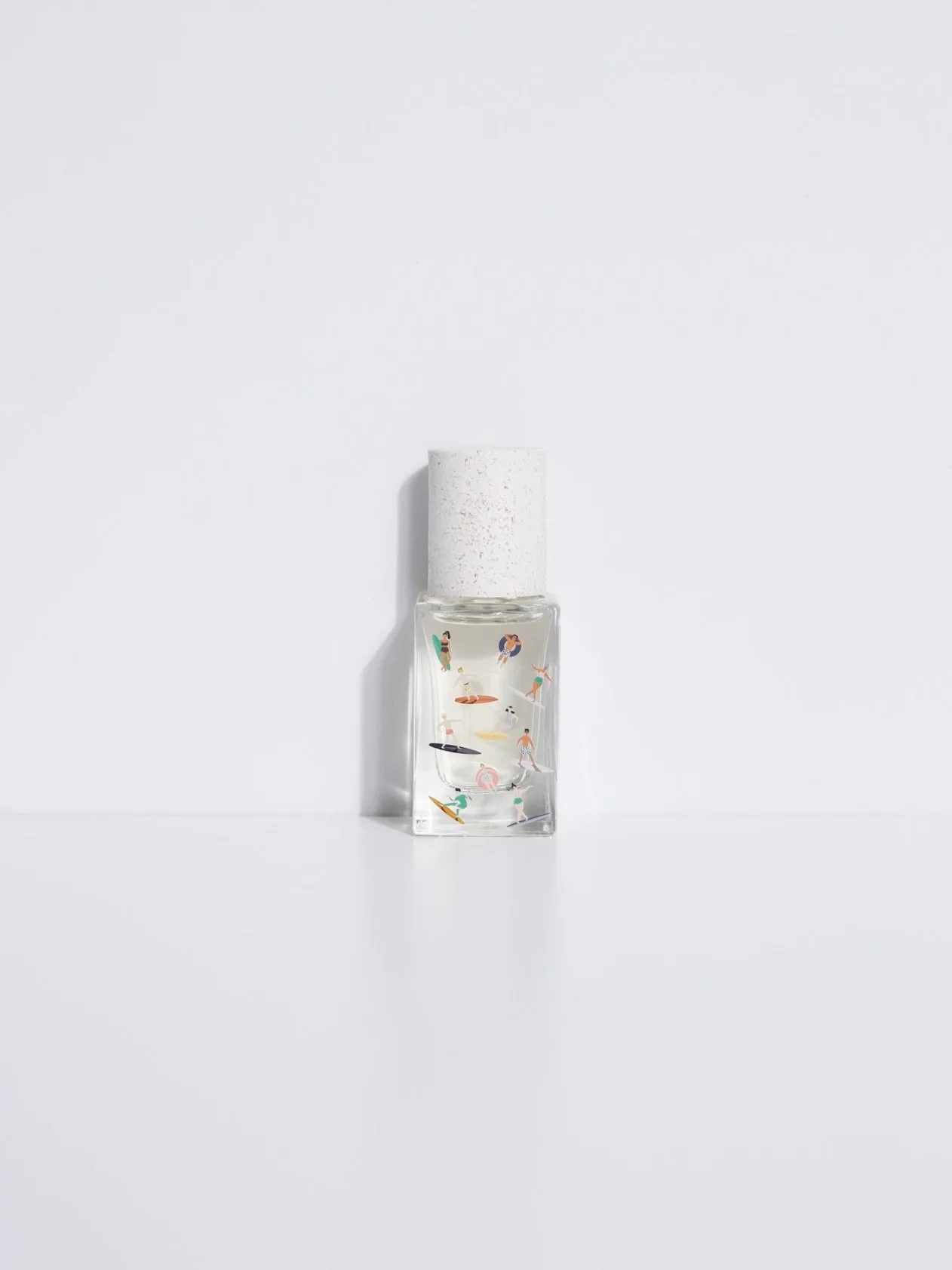
Because top notes fade fast, they don’t define the perfume’s longevity. However, they set the tone. For example, a fragrance with zesty top notes like Avant l’Orage 50ml feels vibrant and energetic, while a scent with soft floral top notes might feel more delicate.
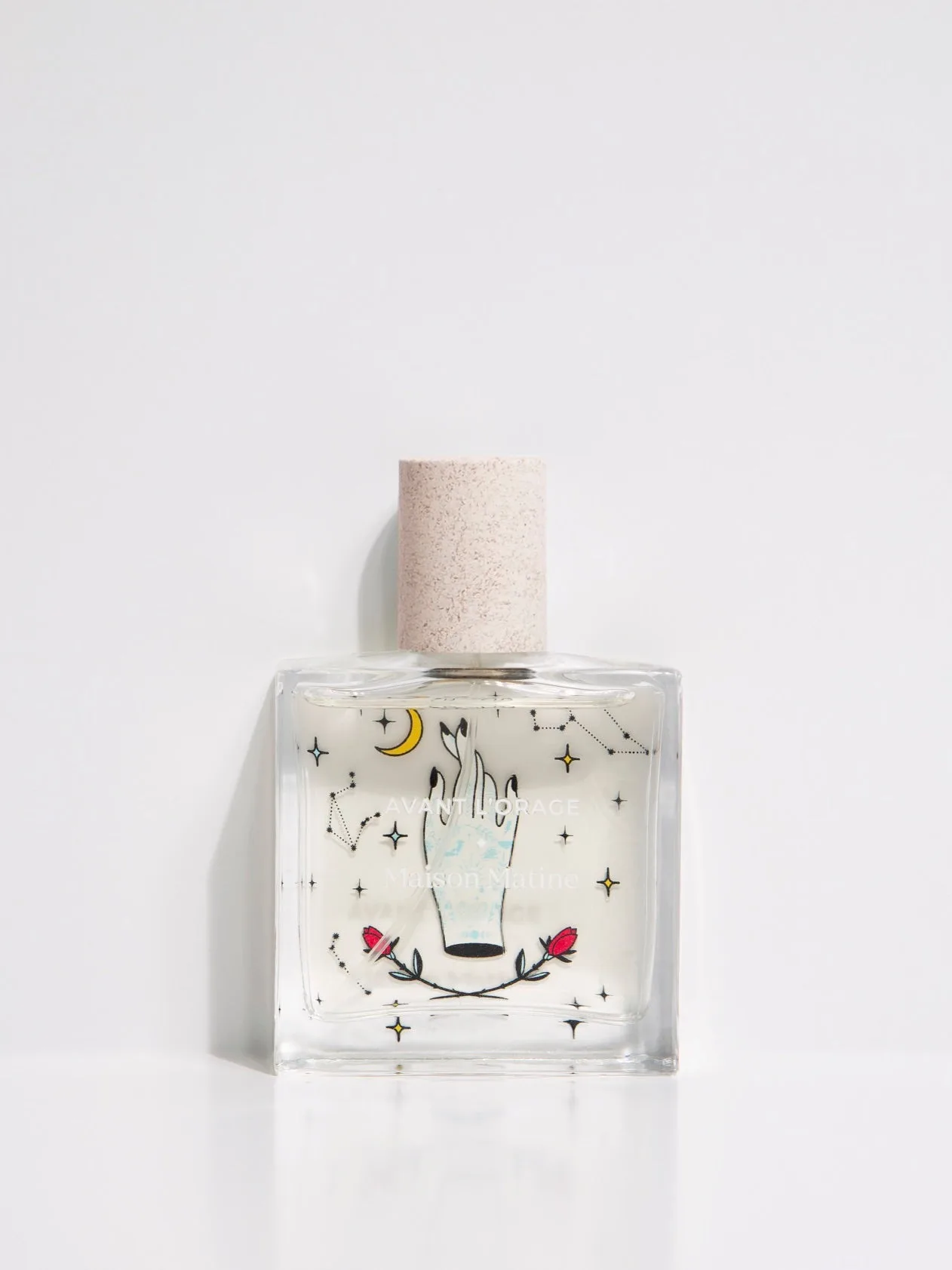
Avant l’Orage 50ml
- Top notes are usually the most volatile ingredients in a perfume.
- They create the first impression but don’t last long.
Heart Notes: The Soul of the Fragrance
Heart notes, also called middle notes, emerge as the top notes fade—usually within 20 minutes to an hour. They form the core of the perfume and can last for several hours. Heart notes are often floral (rose, jasmine), spicy (cinnamon, cardamom), or fruity (peach, plum). They balance the freshness of the top notes and the depth of the base notes.
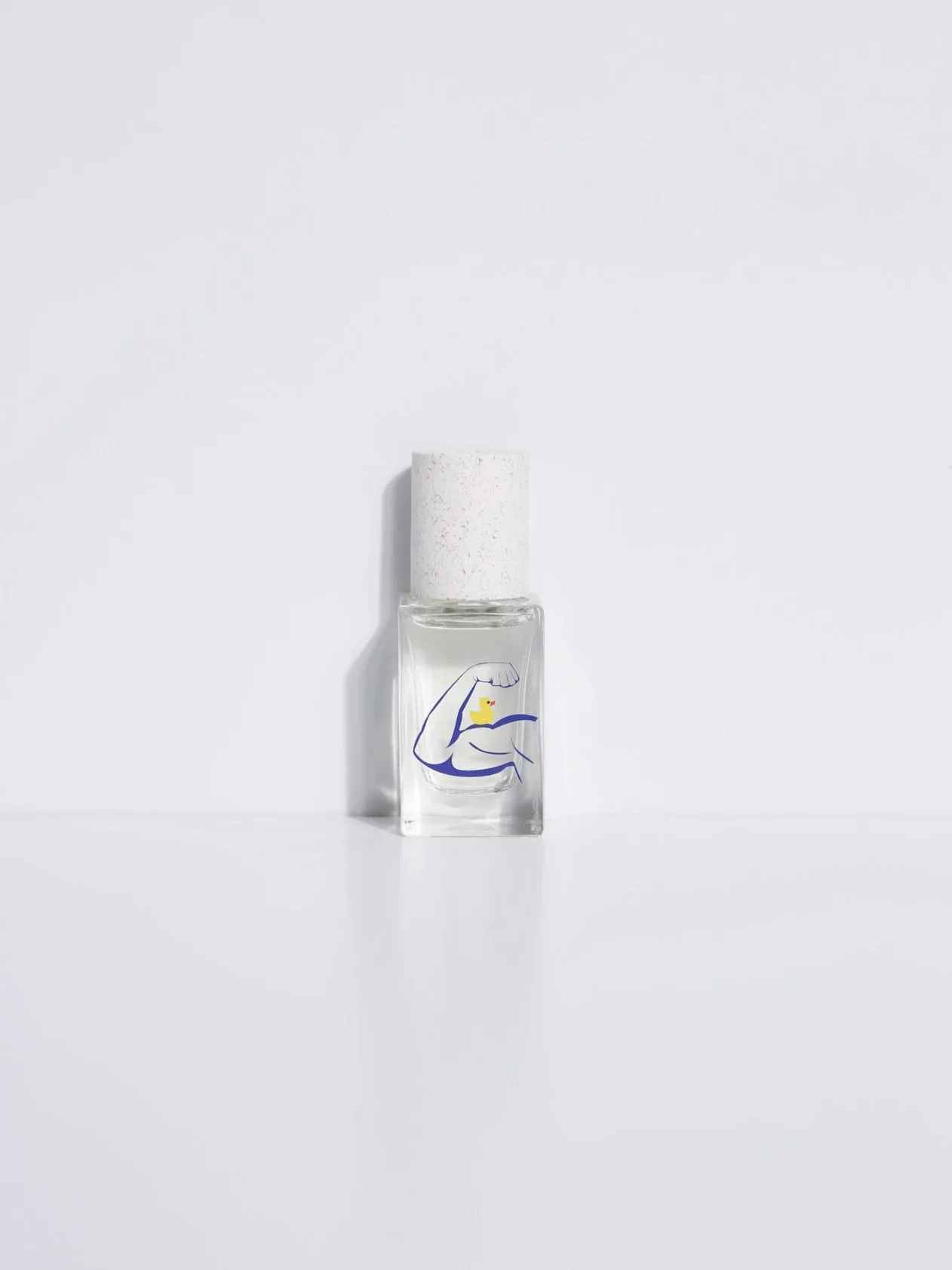
The heart is where the perfume’s character truly shines. For instance, Warni Warni 50ml features a heart that blends exotic florals with a hint of spice, creating a warm and inviting aura. When choosing a perfume, pay attention to the heart notes—they are what you’ll smell most during wear.

Warni Warni 50ml
- Heart notes emerge after the top notes evaporate.
- They typically last 2 to 4 hours, depending on the concentration.
Base Notes: The Lasting Impression
Base notes are the deepest and longest-lasting layer. They appear once the heart notes begin to fade, usually after an hour or more, and can linger on your skin for 6 to 12 hours or even longer. Common base notes include woods (sandalwood, cedar), musk, vanilla, amber, and resins. They provide depth, warmth, and fixative properties that help the entire fragrance last longer.
Base notes are what you remember about a perfume after it’s gone. For example, https://tranquilparfumai.shop/products/arashi-no-umi-50ml-347624ARASHI NO UMI 50ml has a base of marine woods and musk, giving it a sophisticated, earthy finish. When testing a perfume, don’t judge it solely on the first spray—wait for the base notes to develop.
- Base notes are the most tenacious, often lasting all day.
- They anchor the fragrance and prevent it from evaporating too quickly.
How the Fragrance Pyramid Works Together
The magic of a perfume lies in how the three layers interact. Top notes create the initial allure, heart notes build the story, and base notes leave a lasting memory. A well-crafted perfume ensures a smooth transition between these phases, so the scent evolves without abrupt changes.
For example, a fragrance like UN JOUR SANS FIN starts with bright citrus top notes, flows into a floral heart, and settles into a warm woody base. This progression keeps the wearer engaged and makes the perfume feel dynamic. Understanding this helps you appreciate the art of perfumery and choose scents that match your preferences.
Practical Tips for Choosing Perfumes Based on Notes
Now that you know the layers, how can you use this knowledge? First, always test a perfume on your skin, not just on paper. Your skin’s chemistry can alter how notes develop. Spray it on your wrist and wait at least 30 minutes to experience the heart notes, and revisit after a few hours to judge the base.
Second, consider the occasion. For daytime or work, you might prefer perfumes with fresh top notes and subtle base notes. For evening or special events, look for richer heart and base notes like amber or musk. Finally, don’t be afraid to explore discovery sets—they allow you to try multiple fragrances and see how different notes behave on your skin.
- Test on skin, not paper, to see how notes evolve.
- Wait for the dry-down to judge a perfume’s true character.
- Use a discovery set to explore different note profiles.
Understanding perfume notes transforms the way you choose and wear fragrance. The next time you spray a perfume, take a moment to notice the top, heart, and base notes. To explore these layers firsthand, consider trying a discovery set or a full bottle from Maison Matine—each fragrance is crafted with a unique pyramid that tells a story on your skin.