Quick Answer
Perfume oil and alcohol-based perfume differ mainly in carrier and concentration, affecting how they sit on skin and project. If you prefer a closer, longer-lasting scent without the alcohol sting, oil-based extraits are a strong choice; if you like a more diffusive sillage, alcohol sprays may feel familiar. Your pick should hinge on skin chemistry, scent strength preference, and how you like to reapply.
When you browse fragrance aisles, you'll see terms like 'extrait de parfum' and 'eau de parfum,' but the real divide often comes down to oil versus alcohol. These aren't just marketing labels—they change how a scent behaves from the first spritz to the dry down.
In this comparison, we'll separate fact from fiction, looking at what oil-based and alcohol-based perfumes actually do, how to read concentration labels, and which format might suit your routine better.
What's the Actual Difference?
Perfume oils are typically alcohol-free concentrates that you apply directly to pulse points. They rely on carrier oils to deliver fragrance, which means they sit closer to the skin and unfold more gradually. Alcohol-based perfumes, like eau de parfum, use ethanol to disperse scent quickly, creating an immediate burst of aroma that evaporates faster.
Concentration matters too. 'Extrait de Parfum' often signals a higher oil content than 'eau de parfum,' regardless of the base. For instance, Oakcha's Ruhe is an Extrait de Parfum, which suggests a richer, more potent blend compared to a standard eau de parfum.
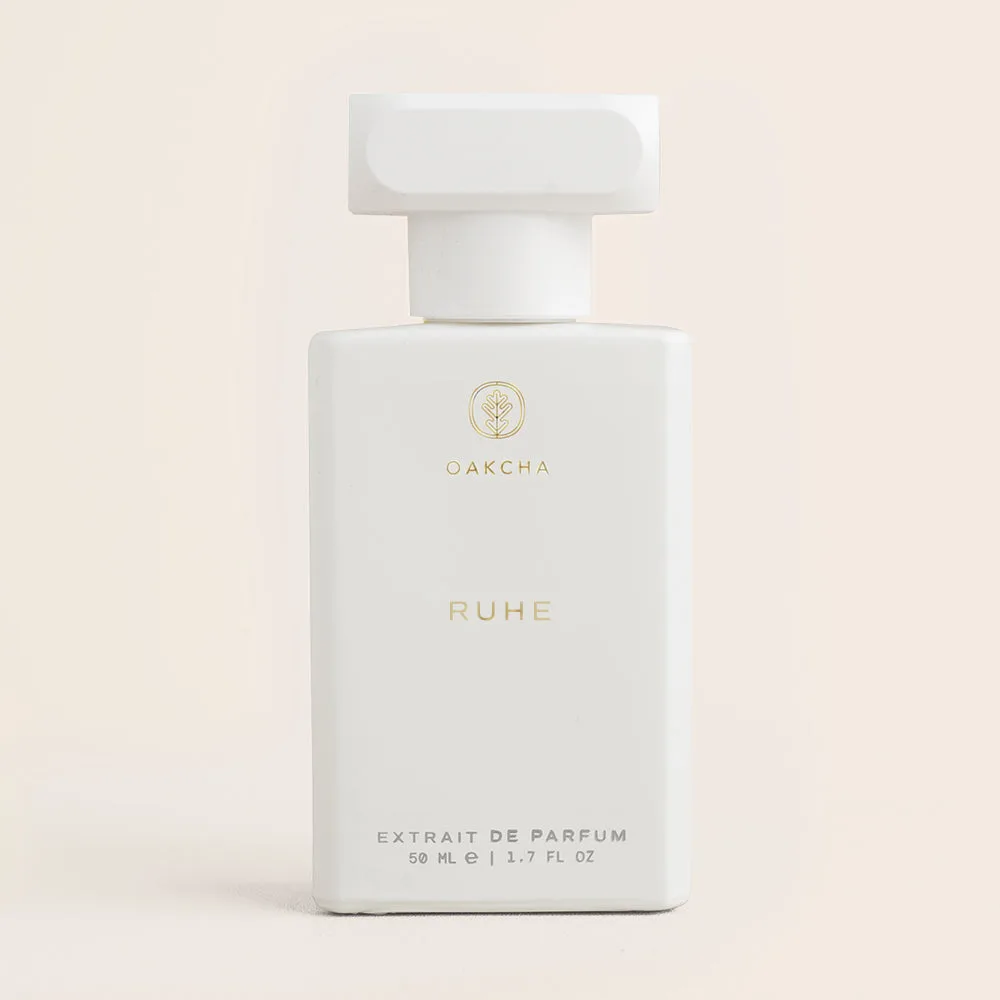
Ruhe
- Check the label: 'Extrait' usually means more oil, 'Eau de Parfum' typically has less.
- Oil perfumes are often alcohol-free, but not always—read the ingredients if that matters to you.
Myth: Oil Perfumes Last Longer Than Sprays
It's a common belief that oil-based perfumes automatically outlast alcohol sprays. The truth is more nuanced. Longevity depends on the fragrance's concentration, the ingredients used, and your skin chemistry—not just whether it contains alcohol.
Alcohol can make a scent feel more volatile, but it also helps some notes bloom. An oil-based extrait might cling closer and feel like it lasts because it doesn't evaporate as quickly, but a well-formulated alcohol spray with high oil concentration can perform similarly. The key is testing on your own skin.
- Don't assume oil = longer lasting; test both formats on your wrist.
Myth: Alcohol-Free Means Gentler on Skin
Many people choose alcohol-free perfumes to avoid irritation, but alcohol isn't inherently harsh. Some skin types react to certain fragrance oils or carrier ingredients. What's gentle for one person may cause issues for another.
If you have sensitive skin, an alcohol-free oil might feel less drying, but it's not a guarantee. Always patch-test a new fragrance, whether it's oil or spray.
- Patch-test any new perfume on a small area before full application.
How to Choose Between Oil and Spray
Think about how you want to wear your fragrance. Oil perfumes are discreet, easy to layer, and great for close-up settings like an office or a date. Sprays offer a wider sillage and are convenient for quick spritzes over clothing.
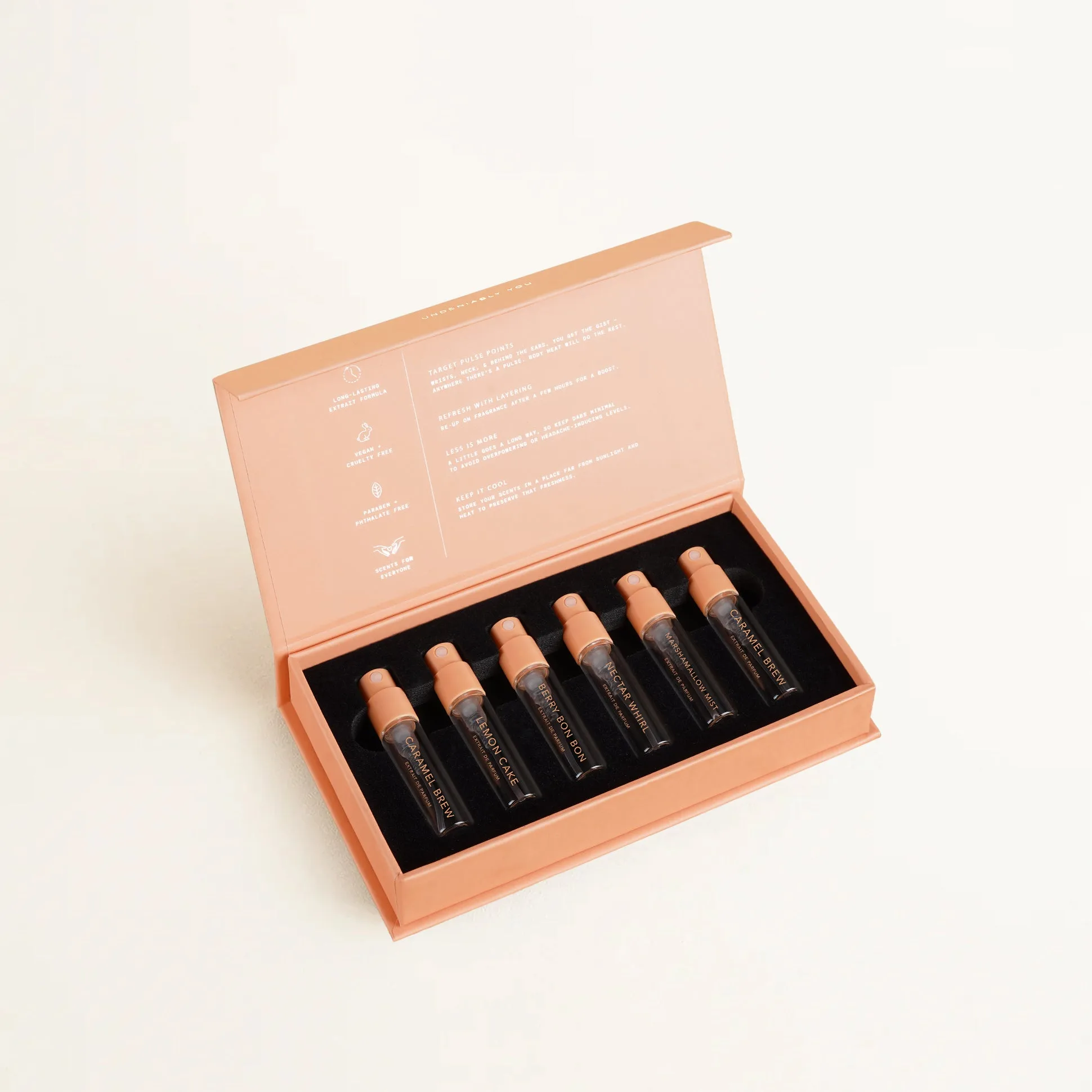
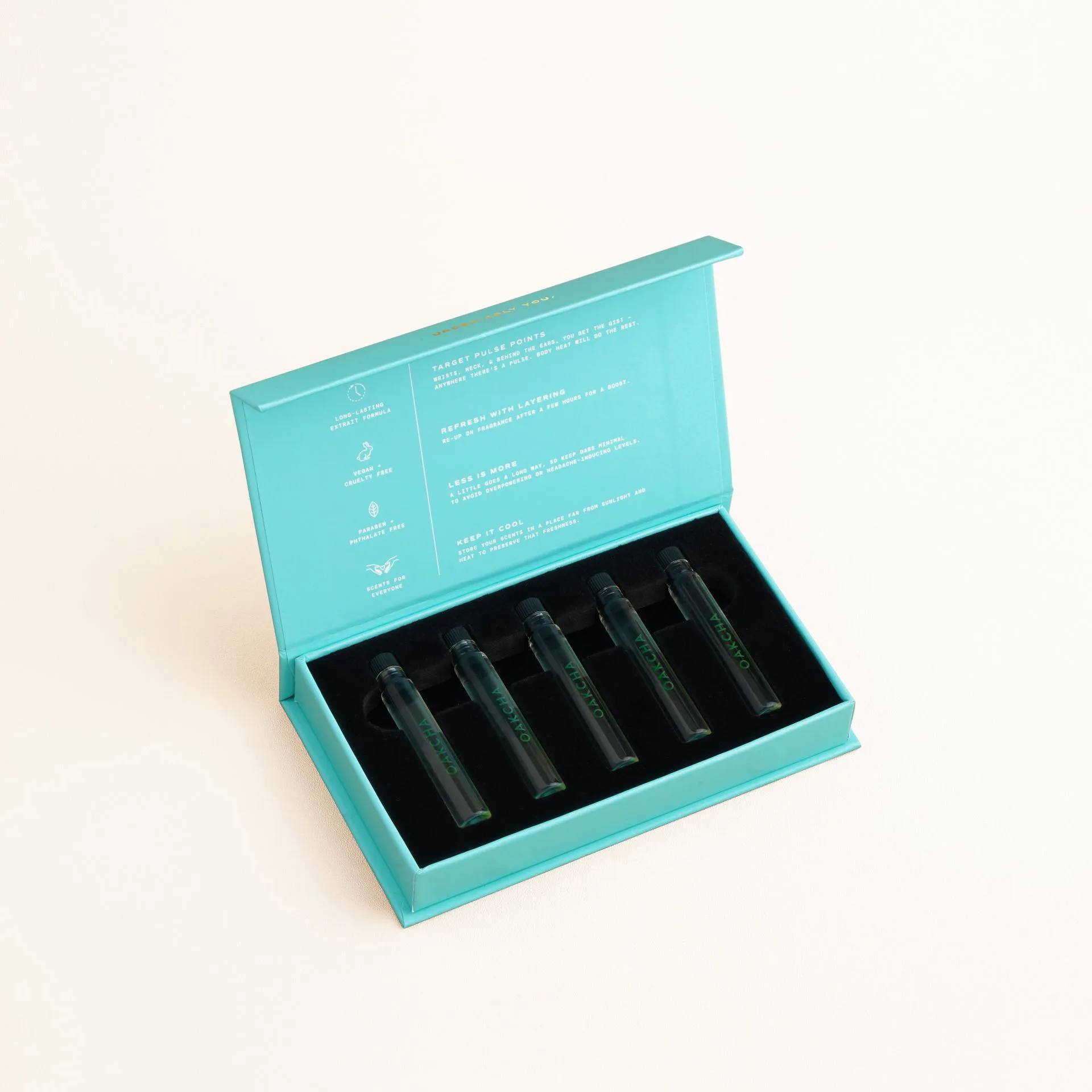
If you're new to fragrance, a sample set can help you explore both formats without committing. Oakcha's Sample Set lets you try multiple scents to see which format feels right.
- For intimate wear, choose oil; for bold projection, choose spray.
Verdicts on Common Claims
- Oil perfumes last longer than sprays: Not necessarily true. Longevity depends on concentration and skin chemistry, not just the carrier. Test both to see what works for you.
- Alcohol-free perfumes are always gentler: False. Irritation depends on individual ingredients and skin sensitivity. Patch-test any new fragrance.
- Extrait de Parfum is always stronger than Eau de Parfum: Generally true, but formulations vary. Always check the specific product. Read labels and trust your nose.
Fragrance Facts to Consider
- Ruhe: Ruhe is a sophisticated woody–powdery–leather Extrait de Parfum that embodies balance and restraint. As an extrait, Ruhe likely has a higher oil concentration, making it a good example of a potent, long-wearing oil-based option.
- https://oakchaxz.com/products/that-girl-viral-vanilla-100-ml-254866That Girl | Viral Vanilla - 100 mL: That Girl features top notes of caramel swirl and coconut milk, with a base of sugared white musk, amber, vanilla, and marshmallow. This alcohol-based spray shows how sweet, gourmand notes can shine with alcohol's quick diffusion, offering a different experience from an oil extrait.
Whether you lean toward the skin-hugging intimacy of an oil-based extrait or the airy diffusion of an alcohol spray, understanding the differences helps you make a confident choice. Test, compare, and enjoy the journey—your perfect scent is out there.