What the Petals Platelight Acrylic Is For
The Petals Platelight is an acrylic panel designed to work with a Starforge Systems Platelight. When placed in front of the light, the panel diffuses the glow and turns your PC into a backlit piece of art. It is not a standalone light—it is the decorative layer that completes the look.
Catalog Facts for the Petals Platelight
-
Petals: Made of high quality, durable acrylic, these panels allow light from our Platelight to diffuse through, creating a gorgeous backlit piece of art, right inside of your computer. Confirms the panel is acrylic (not glass), designed for light diffusion, and intended for interior PC use.
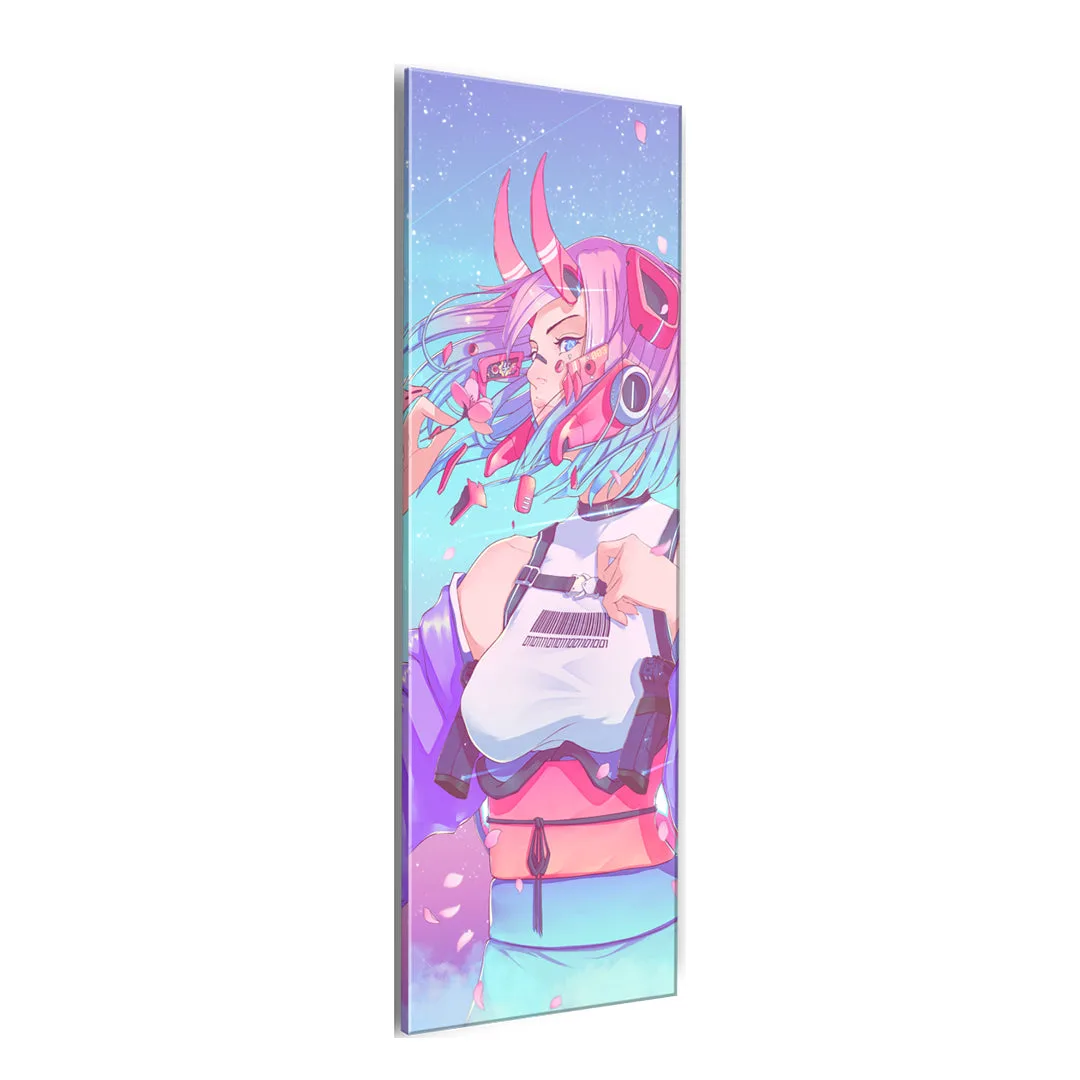
Petals
-
Petals: Bundle with a Platelight below to complete the set. Reminds you that the Petals panel requires a separate Platelight to function as intended.
How to Set Up the Petals Platelight Inside Your PC
The catalog does not include step-by-step hardware instructions, but the general process for acrylic Platelight panels is straightforward. You will need a compatible Starforge Systems Platelight and a mounting spot inside your case.
- 1. Choose a visible interior spot: Pick a location inside the PC where the panel will be clearly seen—typically near the side window, on a fan bracket, or on the PSU shroud. Make sure the area is clean and dry.
- 2. Attach the Platelight: Mount the Platelight unit according to its own instructions. The Petals panel will sit in front of it, so position the light where the panel can rest or be secured without blocking airflow.
- 3. Place the Petals acrylic panel: Position the acrylic panel over the Platelight so the light shines through evenly. The panel is lightweight and acrylic, so it can be held by adhesive strips, magnets, or a simple friction fit—check your Platelight kit for included mounting hardware.
- 4. Power on and check the glow: Turn on the system and observe the diffusion. If the light looks uneven, adjust the panel's distance from the light source slightly. The acrylic material is designed to soften and spread the light, so a small gap can improve the effect.
Lighting and Styling Tips for a Clean Anime Acrylic Look
Because the Petals panel is an acrylic diffuser, the final look depends on the color and brightness of the Platelight behind it. White or pastel LEDs produce a soft, even glow that complements the floral pattern. RGB or color‑cycling lights can create a dynamic effect, but may wash out fine details if set too bright.
For a consistent backlit art piece, use a single color that matches the panel's design. If your Platelight supports adjustable brightness, start at medium and tweak from there—acrylic can appear harsh if over‑lit.
The panel is designed for interior PC use, but you could also place it on a desk or shelf with a small LED strip behind it. Just keep in mind the catalog only confirms compatibility with the Starforge Systems Platelight.
Safe Cleaning Routine for Acrylic Platelight Care
Acrylic scratches more easily than glass, so gentle care is important. Use a microfiber cloth and plain water, or a mild acrylic cleaner. Avoid paper towels, rough sponges, or alcohol-based wipes, which can cloud or scratch the surface.
Dust the panel regularly with a dry microfiber cloth to prevent buildup. If the panel is inside your PC, compressed air can blow dust off without touching the acrylic. Never spray liquid directly onto the panel—dampen the cloth first and wipe gently.
The catalog does not mention specific cleaning products, so sticking to water or a dedicated acrylic polish is the safest choice. Keep the panel away from direct sunlight for long periods, as UV exposure can yellow acrylic over time.
What the Catalog Does Not Confirm
The supplied information does not include exact dimensions, weight, or mounting hardware for the Petals panel. It also does not specify whether the panel works with third‑party light strips or other brands of Platelight. If you plan to use it outside a Starforge Systems setup, test fit and light compatibility before committing.
No care or cleaning instructions are provided in the catalog records, so the routine above follows general best practices for acrylic. Always err on the side of caution with a new collectible display piece.