When it comes to beloved Filipino snacks, few treats rival the sweet, tangy, and irresistibly chewy goodness of Philippine dried mangoes. Known worldwide for their superior taste and texture, these golden strips are a staple in many Pinoy households and a favorite pasalubong for balikbayans. But not all dried mangoes are created equal — some are too dry, overly sugary, or lack that signature natural sweetness. Whether you're craving a nostalgic snack or looking to share a taste of the Philippines with friends in the Netherlands, knowing how to choose the best dried mangoes makes all the difference.
In this buying guide, we'll walk you through the key factors that define premium Philippine dried mangoes — from ripeness and texture to packaging and brand reputation. You'll also learn practical tips for storing them to maintain that perfect chewy consistency. Plus, we'll point you to some complementary Filipino treats available at Kuya Cris Filipino Store that pair wonderfully with dried mangoes for a complete snack experience.
What Makes Philippine Dried Mangoes Special?
The Philippines is blessed with a tropical climate that produces some of the sweetest mangoes in the world, specifically the Carabao variety (also known as Manila mango). When these mangoes are dried, their natural sugars concentrate, creating a chewy, intensely sweet snack that's distinct from dried mangoes from other countries. The best Philippine dried mangoes have a vibrant golden-orange color, a soft but not mushy texture, and a balanced sweetness with a hint of tartness.
Unlike mass-produced dried fruit that often contains added sugars or preservatives, premium Philippine dried mangoes rely on the fruit's natural sweetness. Look for products that list 'mango' as the primary ingredient and avoid those with high fructose corn syrup or artificial flavors. The drying process should preserve the fruit's integrity — not turn it into a leathery, brittle chip.
- Check the ingredient list: the fewer additives, the better.
- Avoid dried mangoes that are overly hard or have a dull color.
- Opt for brands that use traditional sun-drying or controlled dehydration methods.
Key Factors to Consider When Choosing Dried Mangoes
First, examine the texture. The best dried mangoes are pliable and slightly sticky to the touch, not rock-hard or crumbly. A chewy dried mango should bend without breaking and release its aroma when you open the package. Second, look at the color — a bright golden hue indicates proper ripeness and minimal processing. Pale or brownish pieces may be overripe or improperly stored.
Third, consider the ripeness at harvest. Mangoes picked at peak ripeness yield the sweetest dried fruit. Some brands specify 'tree-ripened' or 'sun-ripened' on the label. Fourth, evaluate the packaging. Airtight, resealable bags help preserve freshness and prevent moisture loss. Finally, read reviews or ask fellow Pinoy food lovers about their favorite brands. A trusted source like Kuya Cris Filipino Store often stocks varieties that have been vetted for quality.
- Texture: soft, chewy, and slightly moist — not dry or brittle.
- Color: bright golden-orange — avoid dull or dark pieces.
- Packaging: resealable bags or vacuum-sealed packs maintain freshness.
How to Store Dried Mangoes for Maximum Freshness
Once you've selected your dried mangoes, proper storage is crucial to maintain their chewy texture and sweet flavor. Keep them in a cool, dry place away from direct sunlight. An airtight container or the original resealable bag works best. If you live in a humid climate like the Netherlands, consider refrigerating them to prevent mold growth — just let them come to room temperature before eating to restore softness.
Dried mangoes can last up to six months when stored correctly, but for the best taste, consume them within a month or two after opening. Avoid freezing, as thawing can alter the texture and cause ice crystals to form. For a quick snack on the go, portion them into small bags — they pair wonderfully with other Filipino treats like Stik-O Strawberry Wafer Sticks for a sweet-and-crunchy combo.
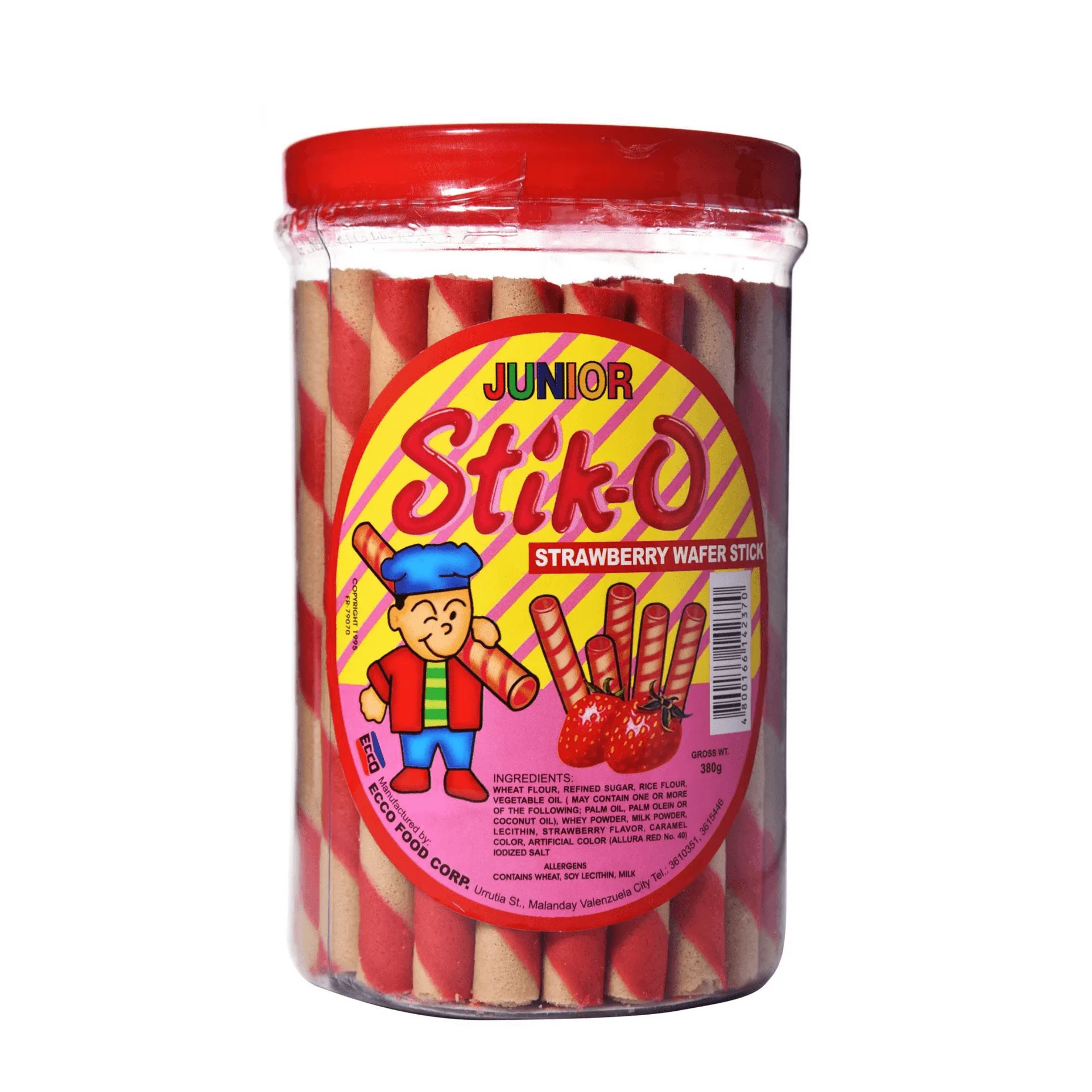
Stik-O Strawberry Wafer Sticks
- Store in an airtight container in a cool, dark pantry.
- Refrigerate in humid climates to extend shelf life.
- Consume within 1-2 months after opening for peak quality.
Pairing Dried Mangoes with Other Filipino Snacks
Dried mangoes are incredibly versatile — you can enjoy them solo, as a topping for desserts, or paired with other classic Pinoy snacks. For a savory-sweet contrast, try them alongside Lucky Me! Pancit Canton Calamansi (Original Citrus) — the citrusy noodle flavor complements the mango's sweetness beautifully. Alternatively, create a snack platter with dried mangoes, cheese, and crackers for a quick merienda.
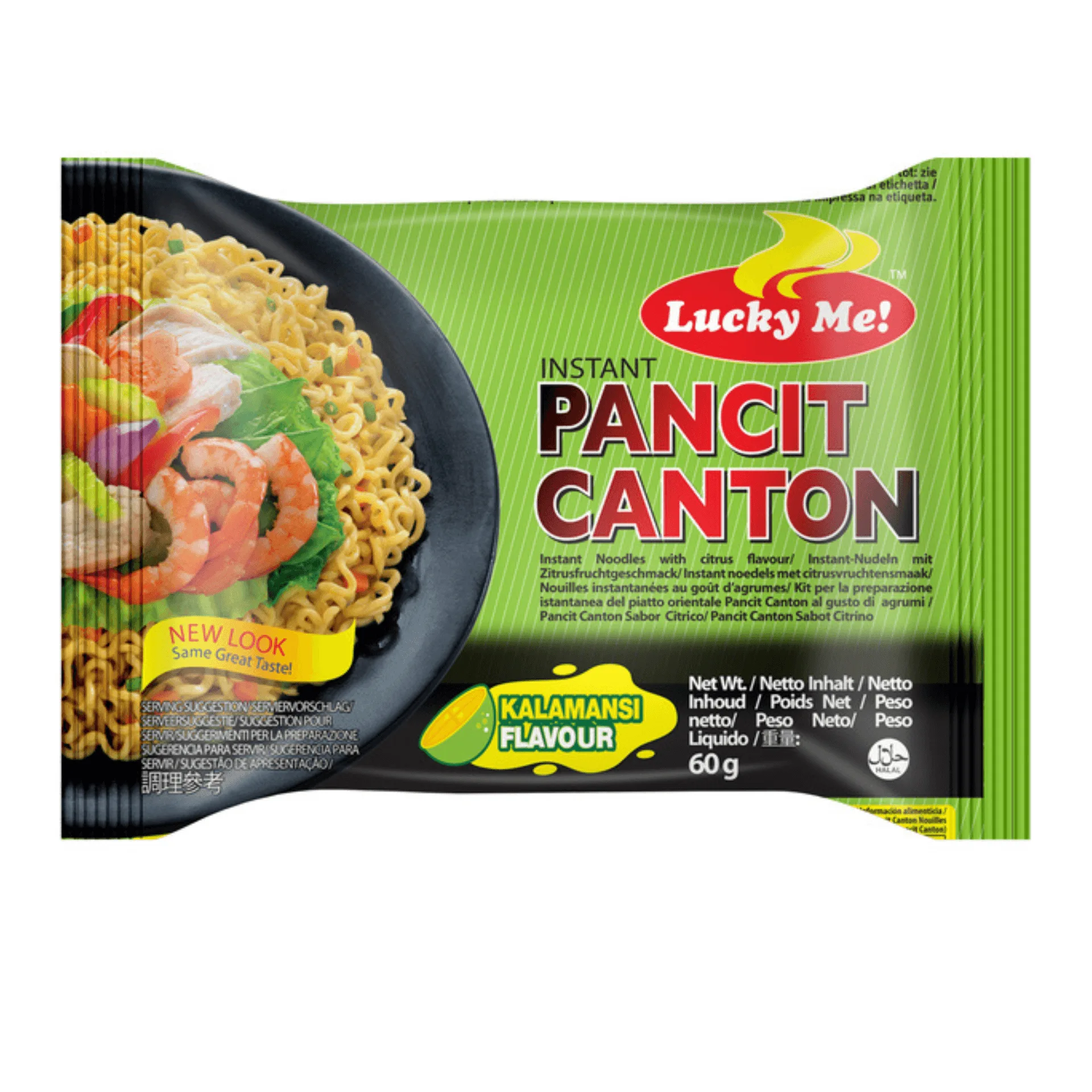
Lucky Me! Pancit Canton Calamansi (Original Citrus)
If you have a sweet tooth, dip dried mangoes in melted dark chocolate for an indulgent treat, or chop them up and add to yogurt or oatmeal. At Kuya Cris Filipino Store, you'll find a wide selection of both dried fruits and complementary items like Maggi Magic Sarap All-In-One Seasoning Granules – 150g to season your savory dishes, making it easy to stock up for any craving.
- Pair with savory noodles like Lucky Me! Pancit Canton for a balanced snack.
- Use as a topping for ice cream, halo-halo, or yogurt.
- Combine with chocolate or cheese for a gourmet twist.
Choosing the best Philippine dried mangoes comes down to texture, color, ripeness, and packaging. By keeping these tips in mind, you'll always pick a chewy, sweet, and premium dried fruit that satisfies your cravings. Ready to enjoy authentic Filipino dried mangoes? Browse the selection at Kuya Cris Filipino Store and add a pack to your next order — your taste buds will thank you.