The phone case industry is evolving faster than ever, driven by consumer demand for thinner profiles, stronger protection, and sustainable materials. As we move through 2026, several key trends are reshaping how cases are designed, manufactured, and marketed. From the rise of aramid fiber to the push for eco-friendly alternatives, this article explores the material innovations that are defining the future of phone protection.
Whether you're a tech enthusiast, a casual user, or a professional looking for the perfect balance of style and durability, understanding these trends will help you make informed choices. We'll dive into the science behind the materials, the benefits they offer, and what to expect in the coming years.
The Rise of Aramid Fiber in Phone Cases
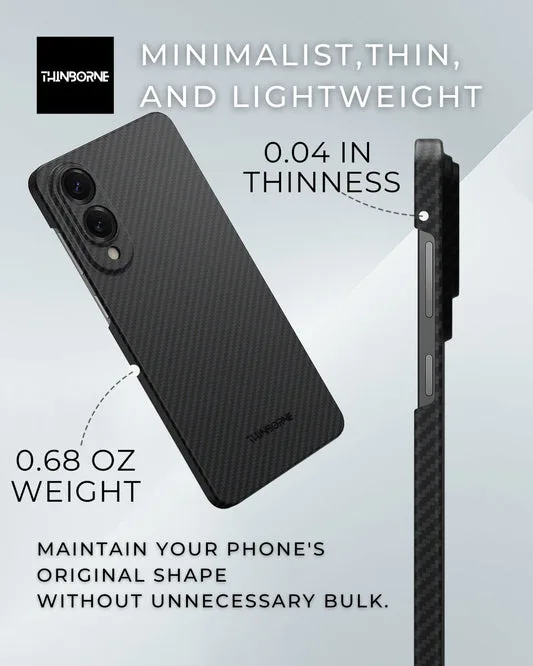
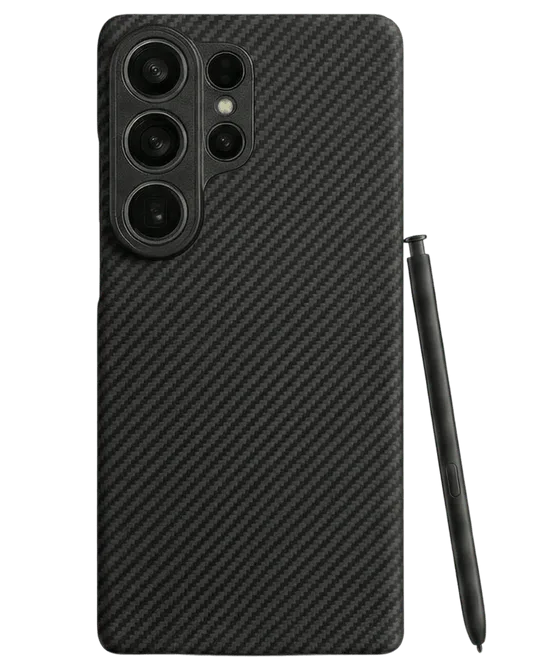
Aramid fiber has become a buzzword in the phone case industry, and for good reason. Known for its exceptional strength-to-weight ratio, aramid fiber is five times stronger than steel yet incredibly lightweight. This makes it an ideal material for super thin cases that don't compromise on protection. In 2026, aramid fiber is no longer a niche choice; it's a mainstream option for premium cases across major smartphone brands.
One of the standout benefits of aramid fiber is its ability to provide military-grade drop protection without the bulk. Traditional cases often rely on thick rubber or plastic to absorb impact, but aramid fiber achieves similar results with a fraction of the thickness. This aligns perfectly with the growing consumer preference for minimalist designs that keep phones sleek and pocket-friendly.
- Aramid fiber offers superior scratch resistance and heat resistance.
- It is inherently non-conductive, making it safe for wireless charging and signal transmission.
Super Thin Cases: Balancing Minimalism and Protection
The demand for super thin cases has skyrocketed, with many users wanting to protect their devices without adding noticeable bulk. In 2026, case manufacturers are leveraging advanced materials like aramid fiber to create cases that are less than 1mm thick while still meeting rigorous safety standards. These cases often feature precision cutouts and raised edges to protect cameras and screens, ensuring that style doesn't sacrifice functionality.
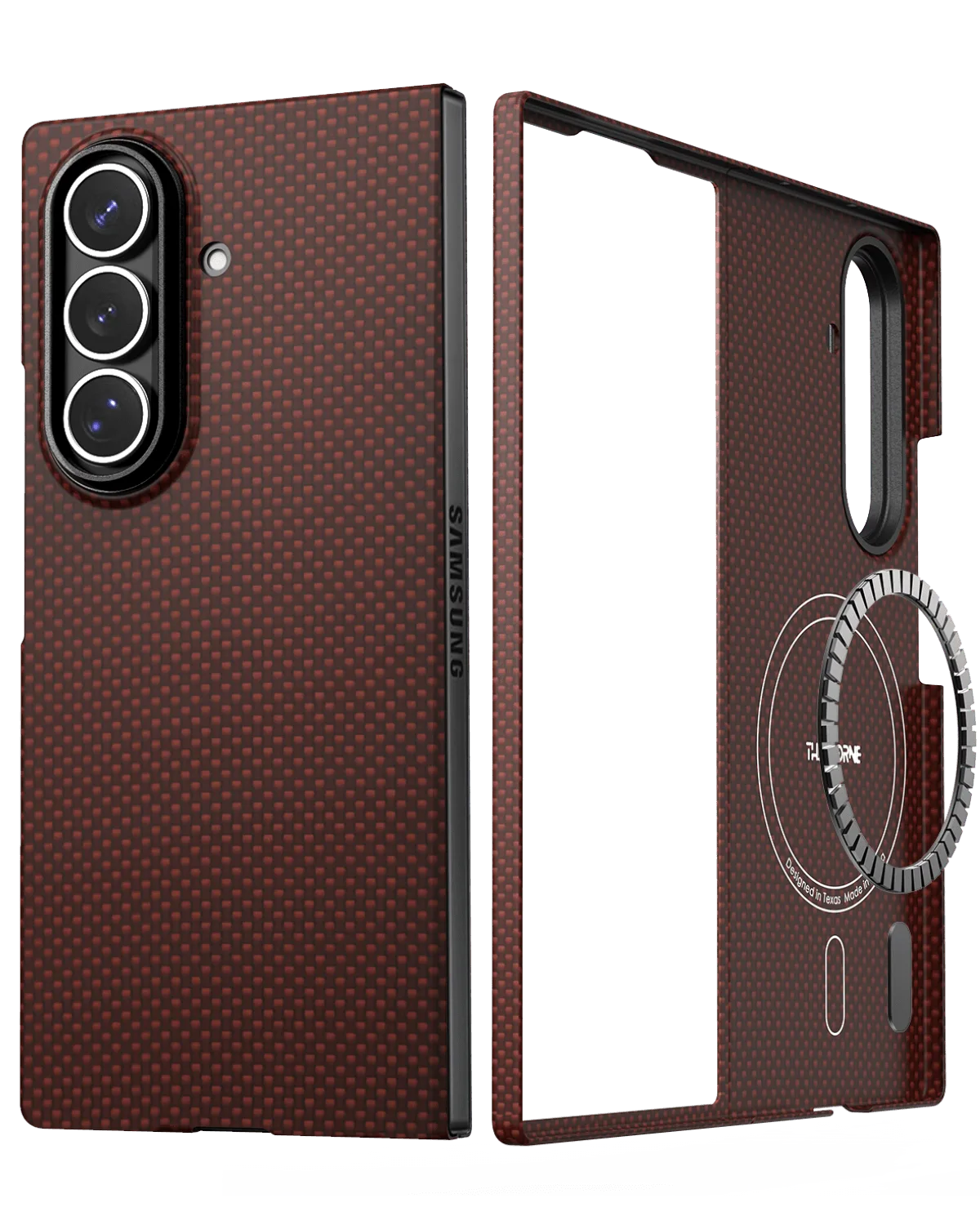
For example, the https://peacefulnestyai.shop/products/iphone-17-pro-case-super-thin-aramid-fiber-magsafe-crimson-301723https://peacefulnestyai.shop/products/iphone-17-pro-case-super-thin-aramid-fiber-magsafe-301722iPhone 17 Pro Case - Super Thin | Aramid Fiber | MagSafe - Crimson exemplifies this trend, offering a featherlight profile with integrated MagSafe magnets. Similarly, the https://peacefulnestyai.shop/products/galaxy-z-fold-8-wide-case-ultra-thin-aramid-fiber-magsafe-black-301653Galaxy Z Fold 8 Wide Case | Ultra Thin | Aramid Fiber | MagSafe - Black demonstrates how foldable devices can benefit from ultra-thin protection. These products highlight the industry's commitment to innovation, proving that less can indeed be more.
- Look for cases with reinforced corners for added drop protection.
- Ensure the case has precise port alignment for easy access.
Eco-Friendly Materials: The Sustainable Shift
Sustainability is a major driver in material innovation. Consumers are increasingly aware of the environmental impact of plastic waste, prompting case manufacturers to explore biodegradable and recycled materials. In 2026, we're seeing a surge in cases made from plant-based polymers, recycled ocean plastic, and even bamboo composites. These materials offer a lower carbon footprint while maintaining durability.
However, eco-friendly materials often face trade-offs in terms of thinness and protection. To address this, some brands are blending sustainable materials with high-performance fibers like aramid. This hybrid approach allows for eco-conscious designs without compromising on strength or slimness. As technology advances, we can expect even more innovative combinations that push the boundaries of what's possible.
- Check for certifications like FSC or recycled content labels.
- Consider brands that offer recycling programs for old cases.
MagSafe and Wireless Charging Compatibility
Wireless charging has become a standard feature in modern smartphones, and case materials must not interfere with this convenience. Aramid fiber is particularly well-suited for MagSafe compatibility because it doesn't block magnetic fields or impede charging speeds. In 2026, virtually every premium case includes embedded magnets or is designed to work seamlessly with MagSafe accessories.
The iPhone Air Case - Super Thin | Aramid Fiber | MagSafe - Crimson is a prime example of how aramid fiber and MagSafe coexist perfectly. Similarly, the Galaxy S23 Ultra Case offers a slim profile with full wireless charging support. As more devices adopt magnetic ecosystems, case manufacturers are prioritizing this compatibility, ensuring that users can charge and attach accessories without removing their cases.
- Verify that the case is certified for MagSafe or Qi2 standards.
- Test the magnetic hold strength before purchasing.
The Future of Case Materials: What's Next?
Looking ahead, the phone case industry is set to embrace even more advanced materials. Graphene, known for its incredible strength and thermal conductivity, is being researched for potential use in cases. Self-healing polymers that can repair minor scratches are also on the horizon. Additionally, smart cases with integrated sensors or LED displays are gaining traction, offering functionality beyond mere protection.
Another exciting development is the use of 3D printing to create custom-fit cases with intricate designs. This technology allows for on-demand manufacturing, reducing waste and enabling personalization. As these innovations mature, consumers will have access to cases that are not only protective but also intelligent and uniquely tailored to their needs.
- Keep an eye on graphene-based cases for extreme durability.
- Explore smart cases that offer battery monitoring or notification alerts.
As we navigate through 2026, the phone case industry is clearly moving towards smarter, thinner, and more sustainable materials. Aramid fiber continues to lead the pack, offering an unbeatable combination of strength and slimness. Whether you're upgrading to a new device or simply want to refresh your style, now is the perfect time to invest in a case that embraces these trends. Check out the latest aramid fiber cases from Thinborne to experience the future of phone protection firsthand.