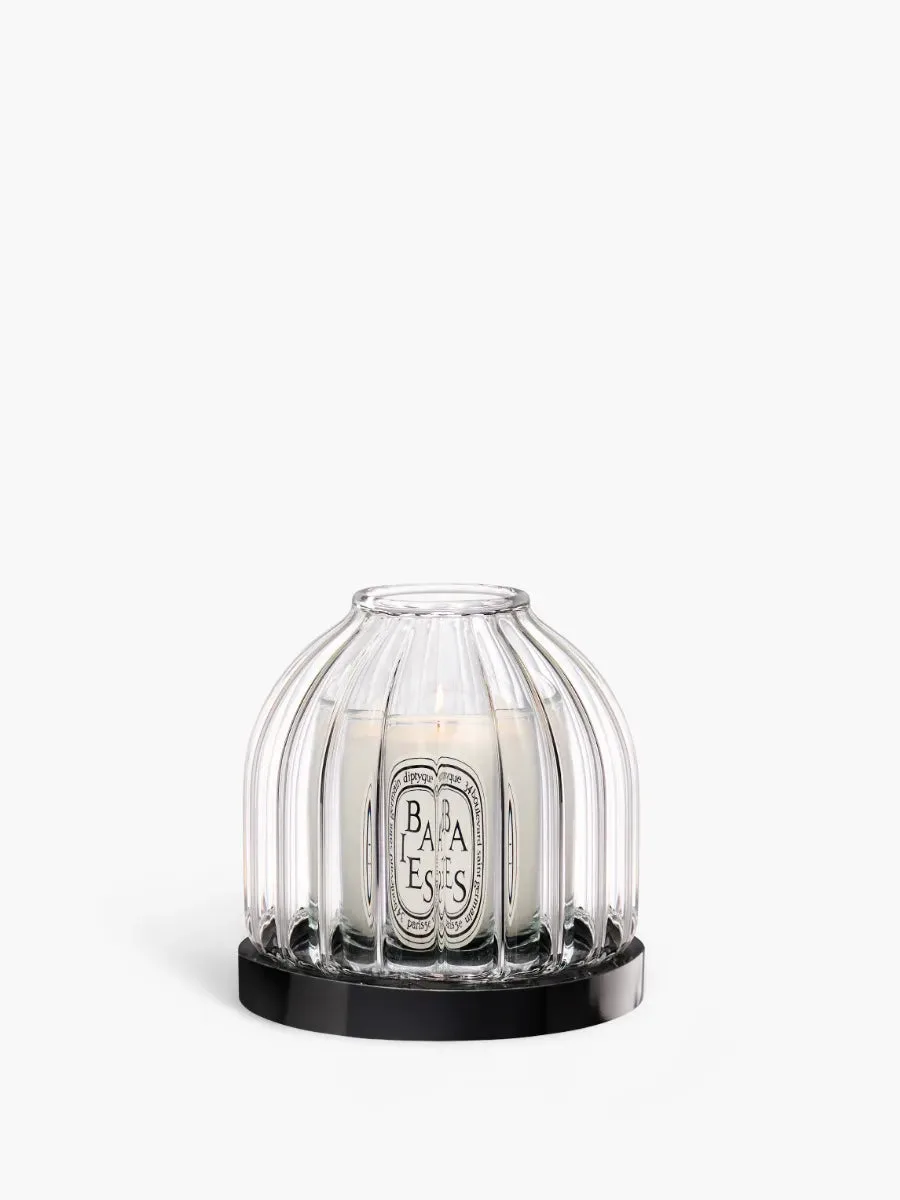
Two photophores, one clear decision
If you are choosing between the Photophore Torsades and the Photophore Côtes Plates, the short answer is that both are hand-blown glass holders designed for Diptyque's classic candle model, and both come from the same Jean-Marc Gady studio design and Vendée glassblowing workshop. The main difference is the surface pattern: Torsades has a twisted motif, while Côtes Plates has flat ribs. That pattern changes how the glass catches light and how the holder looks when the candle is unlit, but it does not change the basic function.
This comparison sticks to what the catalog confirms. Where the supplied information is silent, such as exact dimensions or care instructions, we say so rather than guess.
What the catalog confirms about each holder
-
Photophore Côtes Plates - Pour bougie modèle classique: Photophore Côtes Plates - Pour bougie modèle classique: Designed by the Jean-Marc Gady studio for Diptyque, this photophore is mouth-blown at a Vendée workshop of master glassmakers. This establishes the shared design and craft origin, so your choice rests on pattern preference rather than quality differences.
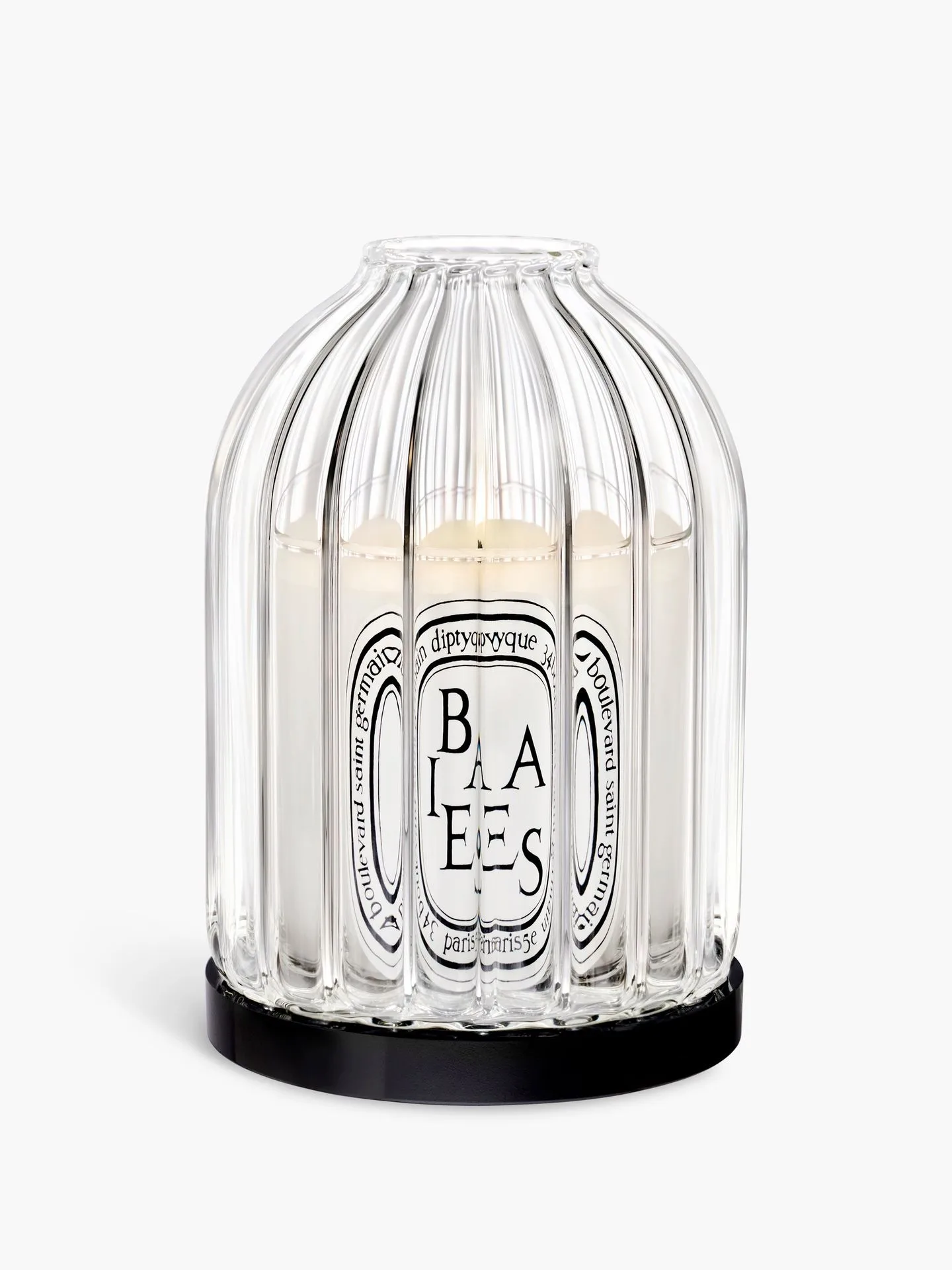
Photophore Côtes Plates - Pour bougie modèle classique
-
Photophore Torsades - Pour bougie modèle classique: Photophore Torsades - Pour bougie modèle classique: Designed by the Jean-Marc Gady studio, the Torsades photophore was mouth-blown at a Vendée workshop of master glassmakers. The same design studio and workshop mean the twisted and ribbed versions are siblings, not rivals in craftsmanship.
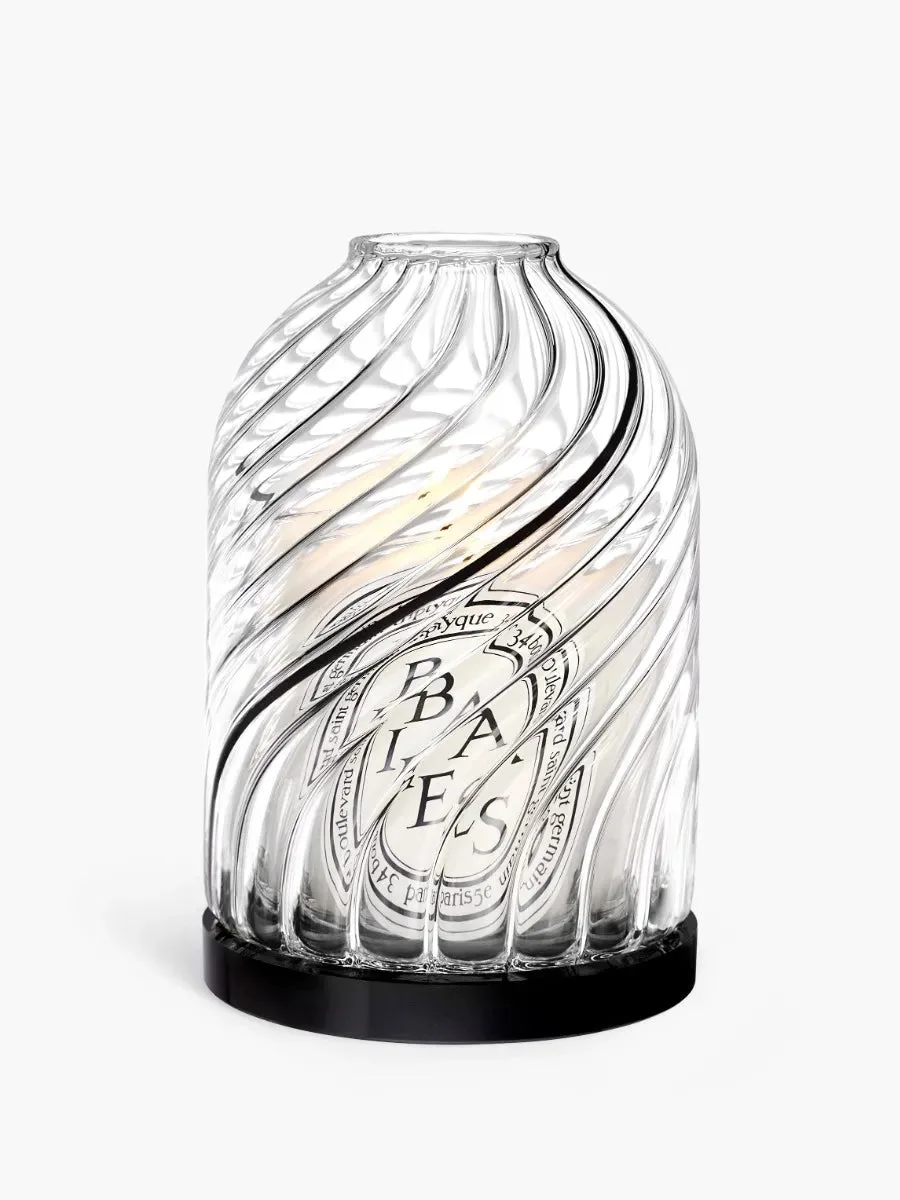
Photophore Torsades - Pour bougie modèle classique
Twisted vs ribbed: how the patterns differ
The catalog names the patterns but does not describe their visual effect in detail. What follows is a practical reading of the names and typical glassblowing results, not a manufacturer claim.
- Photophore Torsades: The name suggests a twisted, spiral-like texture. In hand-blown glass, twisted motifs tend to create diagonal highlights that move as you walk past. If you want a holder that looks more dynamic when unlit, this is the one to consider.
- Photophore Côtes Plates: The name points to flat ribs, which usually produce straighter, more regular vertical lines. This can read as more architectural or restrained. If you prefer a quieter, more linear look, Côtes Plates is the likely fit.
What the catalog does not confirm
The supplied records do not include dimensions, weight, exact glass thickness, or care instructions for either photophore. They also do not confirm whether the holders are compatible with candle sizes other than the classic model. Before buying, check the product page or contact Diptyque for those details if they matter to your space or routine. Do not assume that because both are for the classic candle, they are identical in size or that they can be used with mini or large candles.
Similarly, the catalog does not provide safety guidance such as maximum burn time or handling instructions. Follow the candle's own instructions and general glass-care common sense, but treat any specific recommendation as unconfirmed unless Diptyque provides it.
How to choose between them
- Choose Torsades if: You want a more textured, twisting pattern that adds movement and a slightly more decorative presence to your candle setup.
- Choose Côtes Plates if: You prefer clean, flat ribs and a more understated, linear look that blends easily with different interiors.
- Either way: You are getting a mouth-blown glass holder designed by Jean-Marc Gady's studio and made in a Vendée glass workshop, intended for Diptyque's classic candle.