When it comes to sun protection, not all sunscreens are created equal. The two main types — physical (mineral) and chemical — work in different ways to shield your skin from harmful UV rays. Understanding these differences is crucial for choosing the best sunscreen for your face and lifestyle.
Whether you have sensitive skin, acne-prone skin, or just want a glow that lasts, knowing how each sunscreen type interacts with your skin and makeup can transform your daily routine. In this guide, we break down everything you need to know about physical vs chemical sunscreen, so you can make an informed decision.
What Is Physical Sunscreen?
Physical sunscreen, also known as mineral sunscreen, uses active mineral ingredients like zinc oxide or titanium dioxide to sit on top of the skin and reflect UV rays away. Think of it as a protective shield that bounces light off your face. This type of sunscreen is often recommended for sensitive skin because it is less likely to cause irritation or allergic reactions.
One of the biggest advantages of physical sunscreen is that it starts working immediately upon application. There is no need to wait 15–20 minutes before sun exposure. It also tends to be more stable in sunlight and provides broad-spectrum protection against both UVA and UVB rays. However, some people find that physical sunscreens can leave a white cast or feel heavier on the skin, especially if not formulated with modern micronized minerals.
- Active ingredients: zinc oxide, titanium dioxide
- Works immediately after application
- Best for sensitive, rosacea-prone, or post-procedure skin
- May leave a white or chalky residue on deeper skin tones
What Is Chemical Sunscreen?
Chemical sunscreen works by absorbing UV rays and converting them into heat, which is then released from the skin. Common chemical filters include avobenzone, octinoxate, oxybenzone, and octisalate. These sunscreens are often more cosmetically elegant — they blend into the skin easily, leave no white cast, and can be formulated with skincare benefits like antioxidants or hydration.
Because chemical sunscreens absorb into the top layers of the skin, they require a short waiting period (about 15 minutes) before they become effective. They are generally preferred for daily wear under makeup because of their lightweight, invisible finish. However, some chemical filters can cause irritation in very sensitive individuals or may be a concern for reef safety in certain regions.
- Active ingredients: avobenzone, octinoxate, octisalate, oxybenzone
- Requires 15-minute wait before sun exposure
- Lightweight, no white cast — ideal under makeup
- May cause stinging or irritation for very sensitive skin
Physical vs Chemical Sunscreen: Key Differences at a Glance
To help you decide which type is right for you, here is a quick comparison of the most important factors. Keep in mind that many modern sunscreens combine both physical and chemical filters to offer the best of both worlds: broad-spectrum protection with a pleasant texture. When choosing the best sunscreen for your face, consider your skin type, daily activities, and whether you plan to wear makeup over it.
- Physical sunscreen reflects UV rays; chemical sunscreen absorbs them.
- Physical starts working immediately; chemical needs 15 minutes.
- Physical is better for sensitive skin; chemical is better for deeper skin tones and makeup wearers.
- Both offer broad-spectrum protection when formulated correctly.
Which Sunscreen Type Is Best for Your Skin?
For oily or acne-prone skin, a lightweight chemical sunscreen or a hybrid formula is often the best choice because it won't clog pores or feel greasy. If you have dry or sensitive skin, a physical sunscreen with added moisturizing ingredients can soothe and protect without irritation. Combination skin types may benefit from a physical sunscreen on the cheeks and a chemical one on the T-zone.
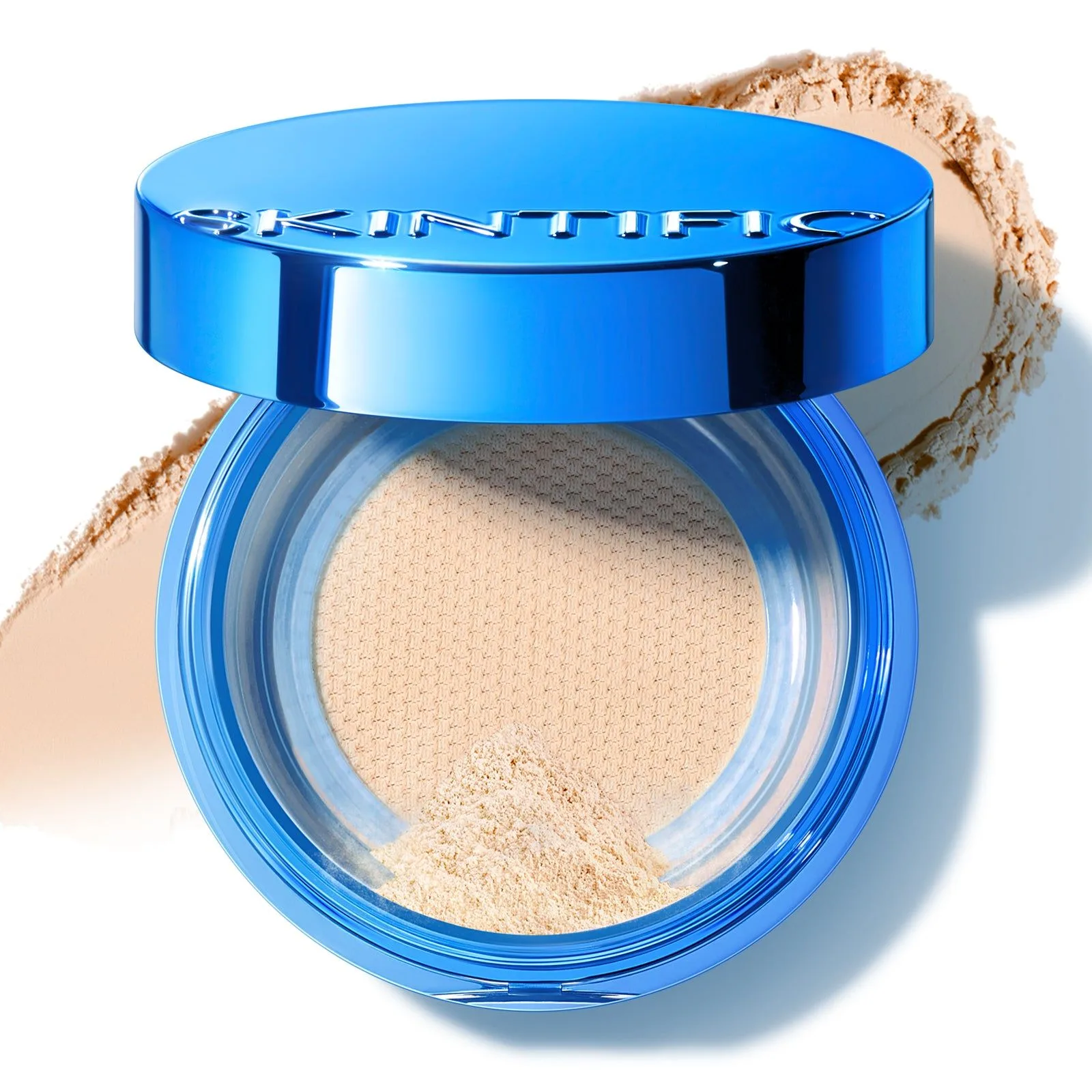
If you wear makeup daily, a chemical or hybrid sunscreen is usually easier to layer under foundation and cushion compacts. For example, the Brightening Sunscreen and Glow Cushion Set combines sun protection with a luminous finish, making it a convenient all-in-one solution for busy mornings. Pairing your sunscreen with a compatible moisturizer or serum can also enhance your glow while keeping your skin barrier healthy.
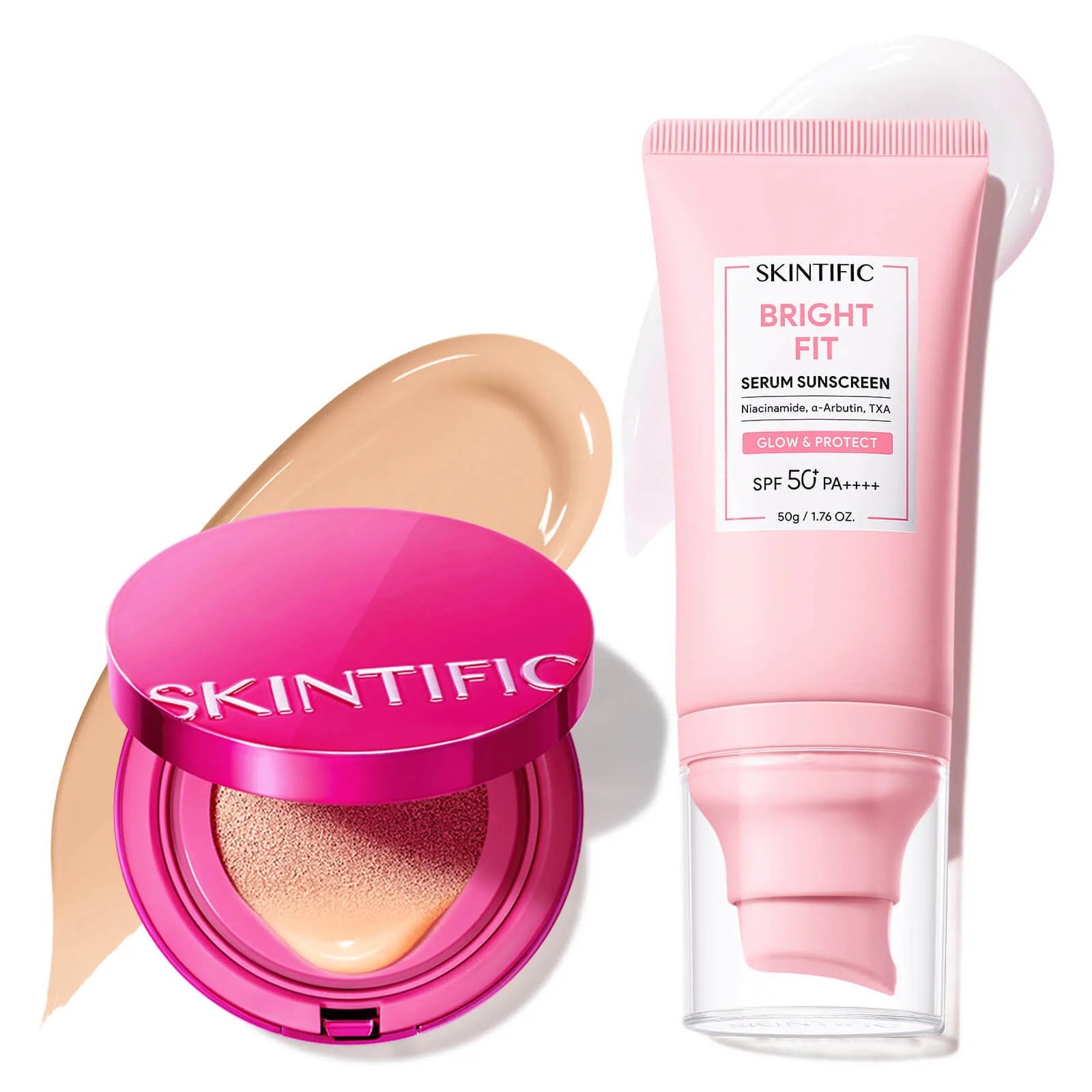
Brightening Sunscreen and Glow Cushion Set
- Oily skin: choose oil-free, matte-finish chemical sunscreens
- Dry skin: look for mineral sunscreens with hydrating ingredients like hyaluronic acid
- Sensitive skin: stick to physical blockers (zinc oxide, titanium dioxide)
- Makeup wearers: opt for lightweight chemical or hybrid formulas
How to Layer Sunscreen with Your Skincare and Makeup
Proper layering is key to getting the most out of your sunscreen without pilling or compromising your makeup. The general rule is to apply sunscreen after your moisturizer and before your primer or foundation. For chemical sunscreens, wait 15 minutes for absorption. For physical sunscreens, you can apply makeup immediately after.
If you use a cushion foundation or tinted moisturizer, choose one that already contains SPF for added protection. The Brightening Sunscreen and Glow Cushion Set is an excellent option because it pairs a high-SPF sunscreen with a glow-enhancing cushion, ensuring you stay protected and radiant all day. Don't forget to reapply sunscreen every two hours if you're outdoors or near windows.
- Apply sunscreen after moisturizer, before makeup
- Wait 15 minutes for chemical sunscreens to set
- Use a cushion or setting spray with SPF for easy reapplication
- Don't forget your neck, ears, and hands
Choosing between physical and chemical sunscreen doesn't have to be complicated. Consider your skin type, lifestyle, and makeup habits to find the perfect match. For a fuss-free, glow-boosting option that works beautifully under makeup, explore the Brightening Sunscreen and Glow Cushion Set — it combines powerful sun protection with a luminous finish that Jeffree Star himself approves.