Licensed vs. Unlicensed: The Core Difference
PIJI Studio produces statues under official license from game publishers such as Game for Peace and Honor of Kings. That means every design, from the Sanctum Dragon Spirit Ryla 1/4 to the Xi Shi Dragon's Grace 1/6, is authorized by the IP holder. Unlicensed statues, by contrast, are made without permission—often using fan art or modified designs to avoid legal issues.
For collectors, a licensed statue offers assurance that the character likeness, color palette, and branding match the official game or anime. It also means the studio can use official logos, names, and promotional materials. PIJI Studio's listings clearly state "Licensed" in the product title and description, so you can verify the status before buying.
Evidence of Licensing in PIJI Studio Products
-
[Warehouse in Stock] PIJI Studio - Statue - Game for Peace Official Licensed Sanctum Dragon Spirit - Ryla 1/4 Statue (Licensed): Product title includes 'Game for Peace Official Licensed Sanctum Dragon Spirit - Ryla 1/4 Statue (Licensed)'. Confirms official authorization from the mobile game publisher, not a third-party or fan creation.
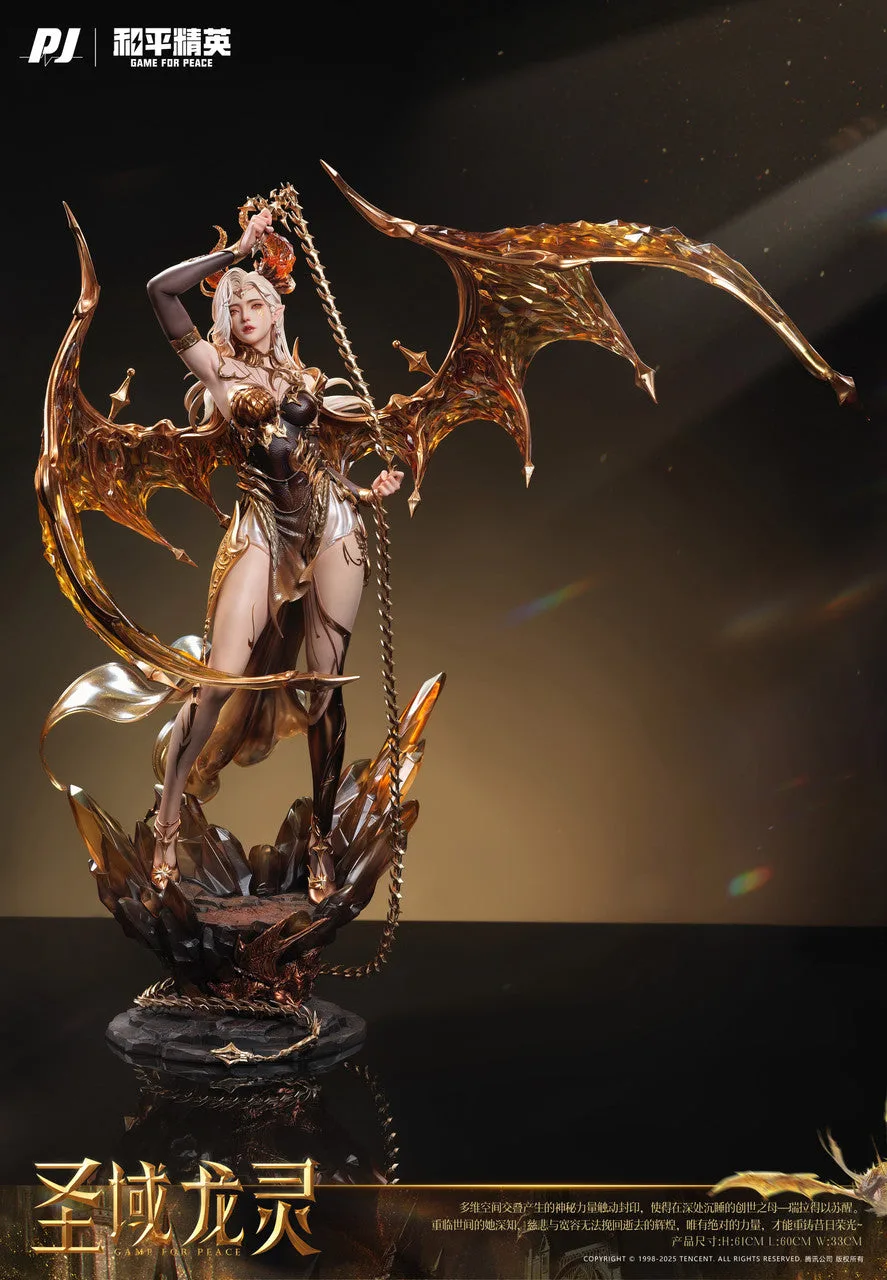
[Warehouse in Stock] PIJI Studio - Statue - Game for Peace Official Licensed Sanctum Dragon Spirit - Ryla 1/4 Statue (Licensed)
-
[Pre-Order Closed] PIJI Studio - Statue - New Era Series Honor of Kings Xi Shi Dragon's Grace 1/6 Statue (Licensed): Product title includes 'New Era Series Honor of Kings Xi Shi Dragon's Grace 1/6 Statue (Licensed)' and the type is listed as 'Licensed Statue'. Demonstrates a second major game IP license, showing PIJI Studio's range of official partnerships.
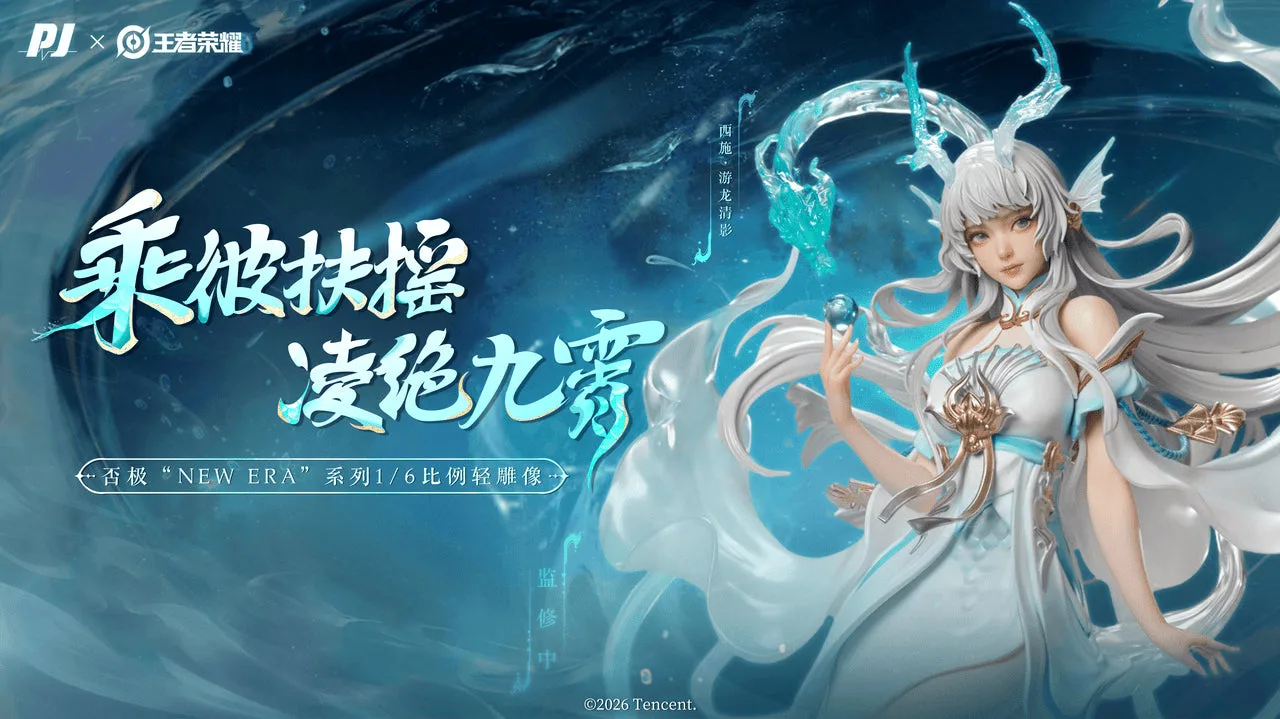
[Pre-Order Closed] PIJI Studio - Statue - New Era Series Honor of Kings Xi Shi Dragon's Grace 1/6 Statue (Licensed)
-
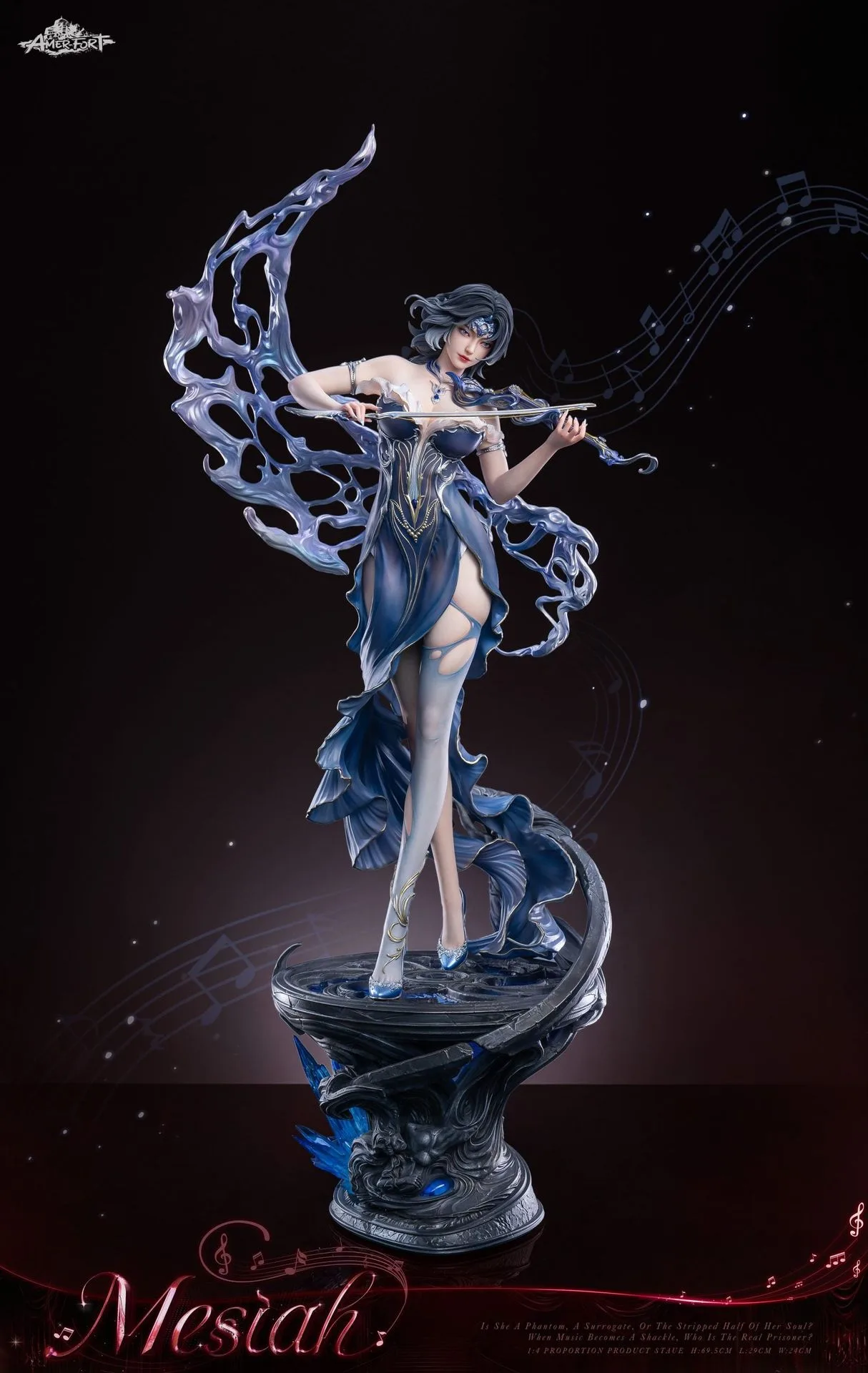
[Warehouse in Stock] PIJI Studio - Statue - Original - AmerFort Artist Collaboration Series - Stellawheel Messiah (Licensed): Product is an 'Original - AmerFort Artist Collaboration Series' and is marked as 'Licensed'. Even original character designs can be licensed if the studio owns the IP or has an artist collaboration agreement—important for distinguishing from unlicensed original statues.
Production Limits and Exclusivity
Licensed PIJI Studio statues often have a declared total global production unit. For example, the Ryla 1/4 is limited to 299 pieces worldwide, and the Stellawheel Messiah is limited to 588 pieces. This scarcity is a hallmark of licensed collectibles—unlicensed statues may be produced in unlimited quantities or without a stated cap.
Limited production numbers affect both value and availability. Once sold out, licensed statues rarely get a re-run without a new licensing agreement. If you see a PIJI Studio statue with a stated production cap, it's a sign of official, controlled release—not a mass-produced item.
Material and Finish: Licensed vs. Unlicensed
The supplied records show PIJI Studio uses materials like Polystone, Resin, Metal, PVC, ABS, PU Resin, and electroplated metal. The Ryla 1/4 features simulated skin paint and high-transparency resin. The Stellawheel Messiah includes a base with LED (breathing and constant light modes).
Unlicensed statues may use cheaper resins, inconsistent paint, or lack the fine detailing described here. However, the catalog does not include side-by-side test results or quality certifications. The key takeaway is that PIJI Studio's material choices are documented and consistent with a licensed premium product.
- Licensed (PIJI Studio): Polystone, Resin, Metal, PVC, ABS, PU Resin; simulated skin paint; high-transparency resin; LED bases on some models.
- Typical Unlicensed: Often uses lower-grade polyresin or PVC; paint may be less precise; no official material disclosure or quality control standards.
Shipping and Transparency
All three PIJI Studio listings clearly state: 'International and domestic shipping are NOT included!' The shipping cost is quoted after the product arrives at the logistic center. For the Ryla 1/4, the estimated shipping to the USA is $114.40; for the Stellawheel Messiah, it's $108.90. This upfront disclosure is a sign of honest business practice—unlicensed sellers may hide shipping fees or offer 'free shipping' that's built into a higher product price.
The product phase for in-stock items is 'Ready to ship out from logistic center (30-40 days)', meaning you pay shipping after the item reaches the warehouse. Pre-order items like the Xi Shi statue have a stated release window (Q3, 2026). This level of detail helps you plan your purchase without surprises.
What the Catalog Does Not Confirm
The supplied records do not include official licensing certificates, manufacturer warranties, or return policies. They also lack detailed assembly instructions, care guides, or information about the exact paint application process. If these details matter to you, contact the store or check the product page for updates.
Absence of this information does not mean the statue is inferior—it means the catalog evidence is limited. For a licensed statue, you can usually expect higher quality control, but the final decision should be based on verified facts, not assumptions.