Two Chardonnays, Two Different Styles
If you are choosing between Pike Road Chardonnay and Santa Alba Chardonnay, the real difference is not price or region — it is style. One is a bright, unoaked Chardonnay from Oregon, the other a full-bodied Chilean Chardonnay with tropical fruit notes. The bottle that works for you depends on whether you prefer crisp acidity or rich, fruit-forward flavors.
Pike Road vs Santa Alba at a Glance
- Pike Road Chardonnay: A non-oaky, unoaked style from Oregon. It jumps out of the glass with ripe stone fruit and has beautiful acidity, making it a refreshing Chardonnay.
- Santa Alba Chardonnay: A full-bodied white wine from Chile, presented in a 1.5 size bottle. It is classified as a Chardonnay with tropical fruit notes on the palate.
What the Catalog Confirms
-
Pike Road Chardonnay: Wonderful Chard from Oregon -- It jumps out of the glass with ripe stone fruit and has beautiful acidity making it a non-oaky/buttery refreshing style of Chardonnay. This confirms Pike Road is an unoaked Chardonnay, ideal for drinkers who prefer bright, acidic wines over buttery or oaky ones.
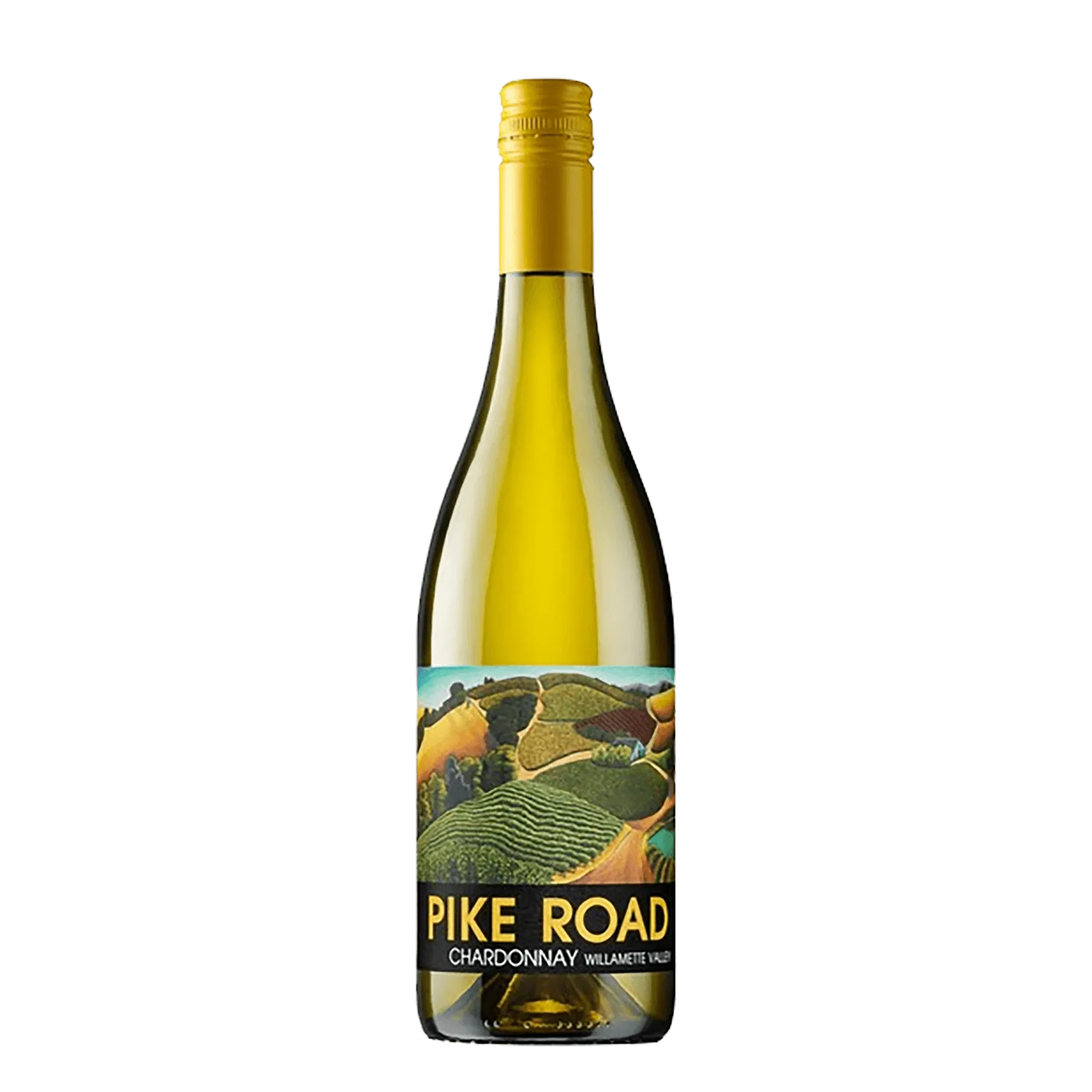
Pike Road Chardonnay
-
Santa Alba Chardonnay 1.5: Santa Alba Chardonnay is a full-bodied white wine from Chile, presented in a 1.5 size bottle. It is classified as a Chardonnay with tropical fruit notes on the palate. This confirms Santa Alba is a fuller-bodied, fruit-forward Chardonnay in a large-format bottle, suited for gatherings or those who enjoy tropical fruit flavors.
Santa Alba Chardonnay 1.5
Choosing Based on Your Taste and Occasion
If you enjoy crisp, unoaked Chardonnay with stone fruit and bright acidity, Pike Road is the better match. It is a refreshing style that works well on its own or with lighter fare like salads, seafood, or grilled chicken.
If you prefer a fuller-bodied wine with tropical fruit notes, Santa Alba offers a richer mouthfeel. The 1.5 size bottle makes it practical for parties or dinners where you want a single bottle to serve several glasses.
What This Comparison Does Not Tell You
The catalog does not specify alcohol content, residual sugar, oak treatment details, or exact food pairing recommendations for either wine. This comparison is based on the style descriptions provided. For specific serving temperatures or aging potential, consult the producer's materials.