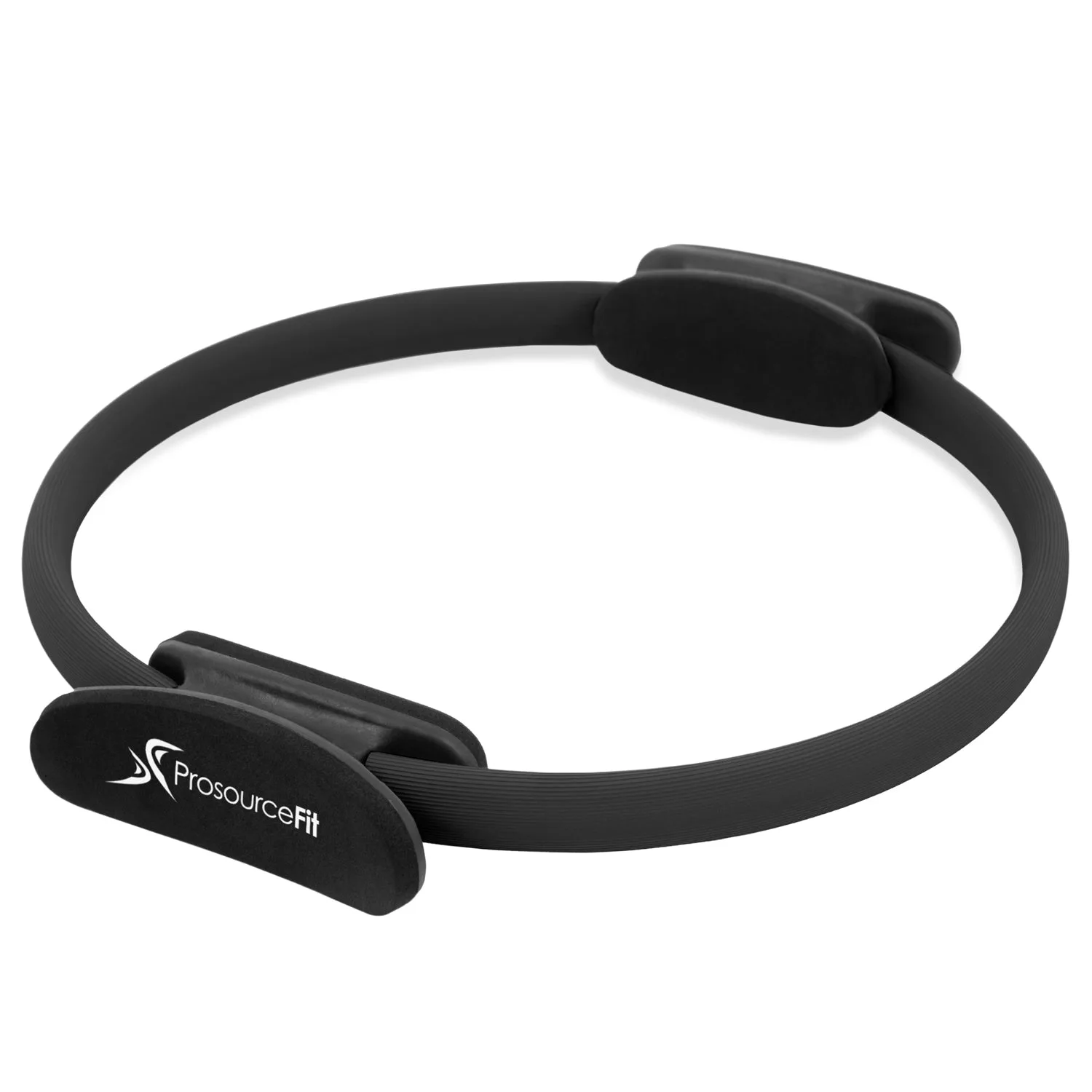
What the Casall Pilates Rib Ring is built to do
The Casall Pilates Rib Ring is a flexible Pilates ring with a ribbed texture. The supplied product information describes it as designed for studio sessions and as giving more resistance to your exercises. That combination—flexible ring, ribbed surface, extra resistance—shapes how you use it at home.
This is not a heavy strength tool. It is a springy circle you press, squeeze, or hold between your hands, knees, or feet to add feedback and resistance to familiar Pilates movements. The ribbed texture gives your hands or legs something to grip, which matters when you are working barefoot or in socks on a smooth floor.
The one rule to follow from the start
-
Pilates Rib Ring - Light Cashmere: Do not twist the ring during use. The supplied instruction is clear: press and squeeze, but do not rotate or wrench the ring. Twisting can distort the ring's shape and defeat the purpose of controlled resistance.
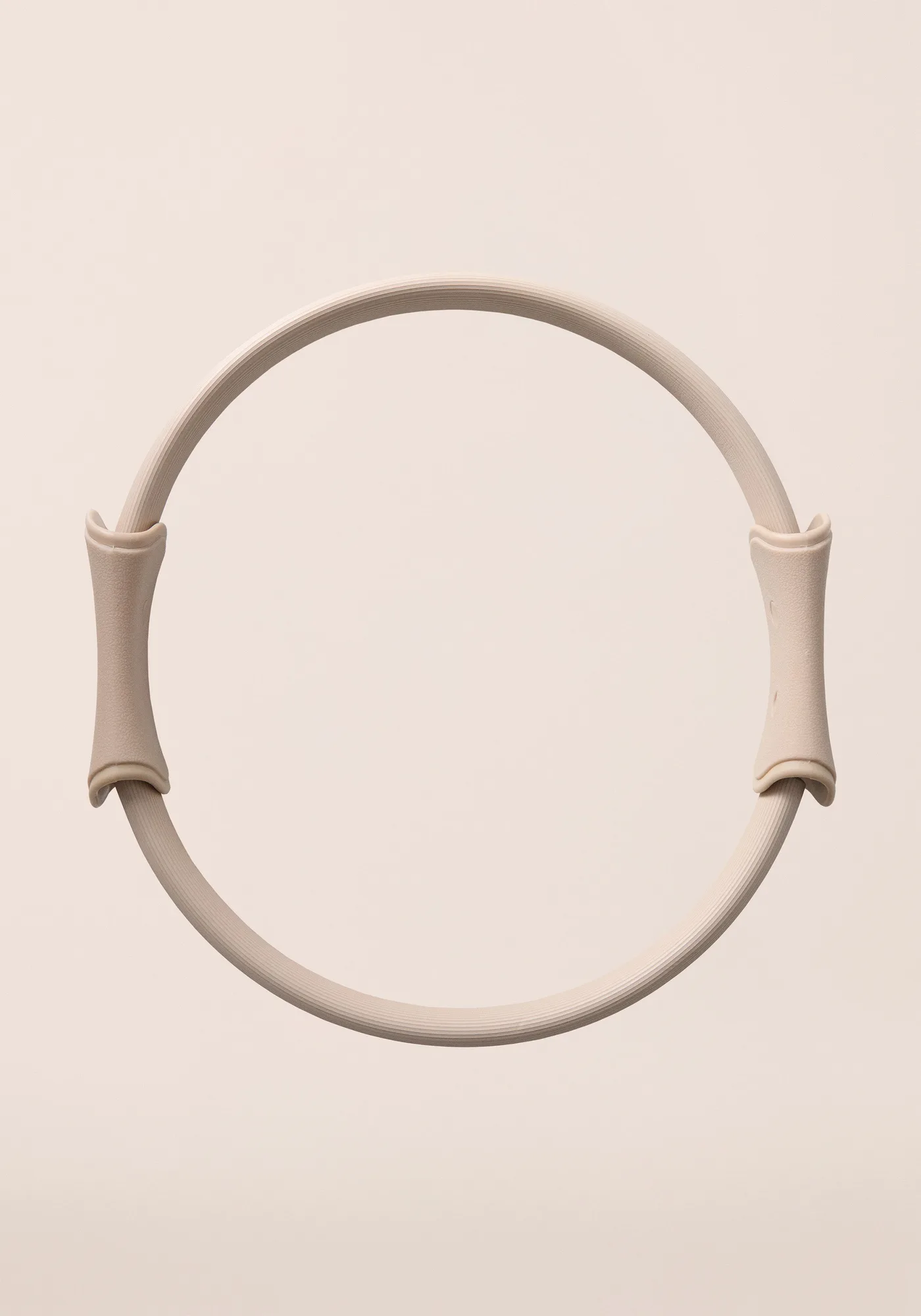
Pilates Rib Ring - Light Cashmere
-
Pilates Rib Ring - Light Cashmere: Flexible Pilates ring with ribbed texture, designed for studio sessions and giving more resistance to your exercises. These are the confirmed features to build your home routine around. The flexibility lets the ring compress under pressure; the ribbing helps with grip; the added resistance is the reason to choose it over a plain circle.
How to use a Pilates ring at home: a simple starting sequence
Begin with the ring in your hands or between your knees, and keep every movement slow. The goal is controlled pressure, not a fast squeeze. Stop if you feel the ring twisting or slipping.
- 1. Inner-thigh squeeze: Sit or lie on your back with the ring between your knees. Press your knees gently into the ribbed sides, hold for a breath, then release slowly. This is the classic inner-thigh ring workout move, and the ribbed texture helps keep the ring from sliding.
- 2. Arm press: Hold the ring between your palms at chest height, elbows bent. Press your hands together to compress the ring, then release with control. This is a straightforward pilates ring arm exercise that also asks you to keep your shoulders relaxed.
- 3. Overhead arm press: Raise the ring overhead with both hands and press inward. Keep the movement small and avoid arching your lower back. The added resistance described in the product record is what makes this feel more demanding than an empty-handed reach.
- 4. Ankle press: Lie on your back with the ring between your ankles or lower legs. Press your legs together slowly, then release. Use the ribbed surface for grip, and keep the ring from rotating—do not twist it.
Pilates ring form tips for beginners
The most common mistake with a flexible ring is rushing the release. Let the ring spring back slowly rather than letting it snap open. That controlled return is where much of the work happens.
Second, check your alignment before you add pressure. If your knees collapse inward or your shoulders creep up during an arm press, reduce the force. The ring should feel like a tool for feedback, not a test of maximum strength.
Third, respect the no-twist instruction. If you feel the ring rotating in your hands or between your legs, reset it so the ribbed sides sit evenly against your skin or clothing. Twisting is the one movement the supplied information explicitly warns against.
What the product information does not confirm
The supplied record is short, so some practical questions cannot be answered from it alone. Treat these as things to check on the product page or with the retailer rather than assumptions.
- Exact diameter and weight: The record does not list the ring's diameter or weight. If size matters for your storage space or travel bag, confirm those measurements before ordering.
- Care and cleaning instructions: No specific cleaning or care steps are supplied. A conservative approach is to wipe the ribbed surface after use, but the record does not confirm a manufacturer-approved method.
- Maximum resistance or load rating: The ring is described as flexible and as giving more resistance, but no force rating is provided. Choose your pressure by feel and keep the movement controlled.
- Suitable user size or experience level: The available variant evidence lists a size option, but the record does not map that size to a body type or skill level. Beginners can use the ring, but should start with gentle pressure.
A realistic home routine with the rib ring
You do not need a long list of exercises. Pick two or three from the sequence above—for example, the inner-thigh squeeze and the arm press—and do a few slow repetitions each. Because the ring is designed for studio sessions, it fits naturally into a mat-based home session too.
Use the ring as an add-on rather than the whole workout. A short set of squeezes before or after your main Pilates flow gives you the resistance benefit without turning the session into a grip-strength drill. If you are new to the ring, start with the inner-thigh squeeze only and add arm work once the movement feels controlled.