Quick answer
Empty and refill your pincushion with crushed walnut shells or fine steel wool at least once a year, or sooner if pins feel gritty or look dull. Wipe pins with a dry cloth before storing, and replace any pin that is bent, rusted, or snags fabric. If your pincushion stays damp or the filling clumps, switch to a different filling or a covered storage box.
Why your pins feel dull or leave marks
Pins that drag through fabric or leave small rust spots usually mean the pincushion filling has broken down or absorbed moisture. Crushed walnut shells can turn to dust over time, and cotton batting can hold humidity from the air. Once the filling loses its structure, pins sit loose and their points rub against each other, which dulls them faster. A simple squeeze test tells you a lot: if the pincushion feels lumpy or does not spring back, the filling is past its useful life.
How to empty and refill a pincushion
Open the seam or the bottom closure and shake out the old filling into a trash bag. Wipe the inside with a dry cloth; if it smells musty, leave it open to air out for a day before refilling. For a firm, pin-friendly cushion, use crushed walnut shells sold for pincushions, or mix them with a small amount of polyester fiberfill to soften the feel. If you want extra rust protection, add a thin layer of fine steel wool at the center. Fill the cushion about three-quarters full, then stitch or close the opening. Do not overstuff, or pins will be hard to push in and the seams may strain.
Daily habits that keep pins clean and sharp
Wipe each pin with a dry cloth before it goes back into the cushion, especially after handling fabric with sizing or starch. Keep a separate small container for bent or damaged pins so they do not mix with good ones. When you finish a project, run your fingers through the pincushion and remove any pins that feel rough. Storing pins in a closed box or a covered pincushion keeps dust and pet hair off the shafts, which reduces friction and helps them stay sharp longer.
When to stop repairing and replace instead
If the pincushion fabric is torn, the filling keeps clumping after a refill, or pins rust within a few days of cleaning, the problem is bigger than maintenance. A pincushion that stays damp or has a persistent odor can transfer moisture to every pin you own. At that point, replace the pincushion or move your pins to a sealed storage box. For quilting projects that require precise pin placement, such as marking and quilting detailed blocks, dull or bent pins can shift fabric and affect your results.
Diagnose your pincushion problem
- Pins feel gritty or leave dust on fabric: The filling is breaking down. Empty the pincushion, wipe it out, and refill with crushed walnut shells or a walnut-shell and fiberfill mix. If grit returns within a month, replace the pincushion.
- Pins rust quickly or feel damp: Moisture is trapped in the filling or the fabric. Air out the empty cushion for a day, then refill with a dry filling and add a small piece of steel wool at the center. If rust continues, store pins in a sealed box instead.
- Pins bend or drag when pushed into fabric: The filling is too dense or pins are worn. Remove bent pins, fluff the filling, and replace any pin that snags fabric. If more than a few pins are bent, replace the whole batch.
A course that puts pin care into practice
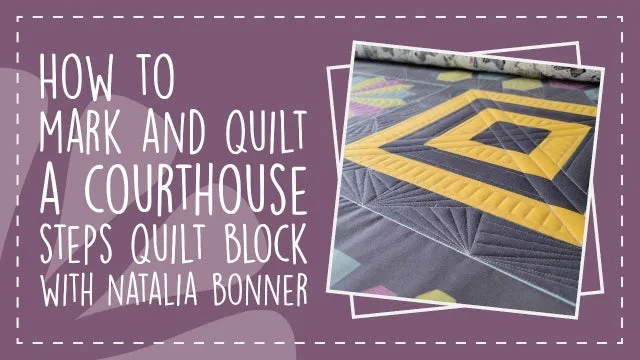
- How to Mark and Quilt a Courthouse Steps Quilt Block: Join Natalia as she walks you through her process of marking and quilting this detailed version of a Courthouse Steps quilt block. Precise marking and quilting depend on pins that hold fabric without shifting, so keeping your pincushion in good shape supports cleaner results.
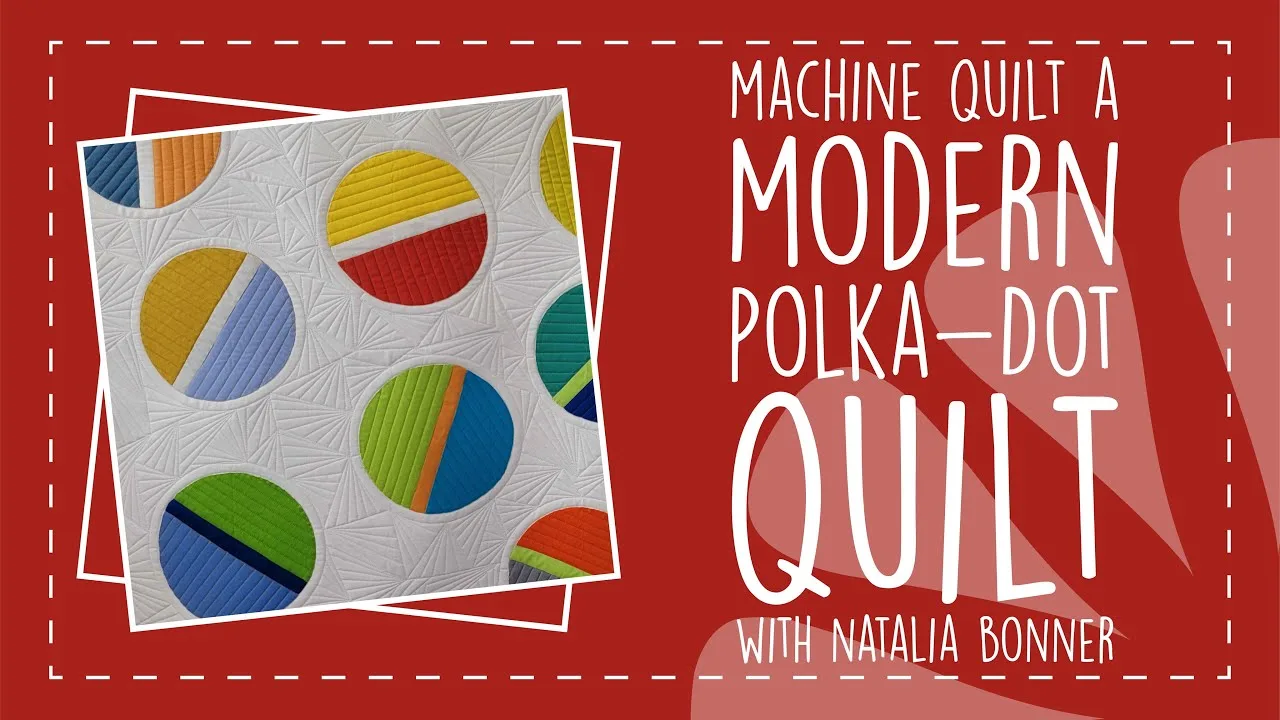
- Machine Quilt A Modern Polka-Dot Quilt with Natalia Bonner: Natalia will walk you through the process of creating a stunning modern Polka-Dot quilt using the 4-N-1, Mini 4-N-1, and the Quilted Pineapple #8 machine quilting rulers. When you use rulers and straight-line motifs, sharp pins help you align layers accurately before quilting.