Start with bedding that fights moisture and odor
A dry coop is a healthier coop. Pine shavings chicken bedding is a popular choice because it absorbs moisture and helps control ammonia smells. The right bedding also needs to be safe for your birds and easy to dispose of.
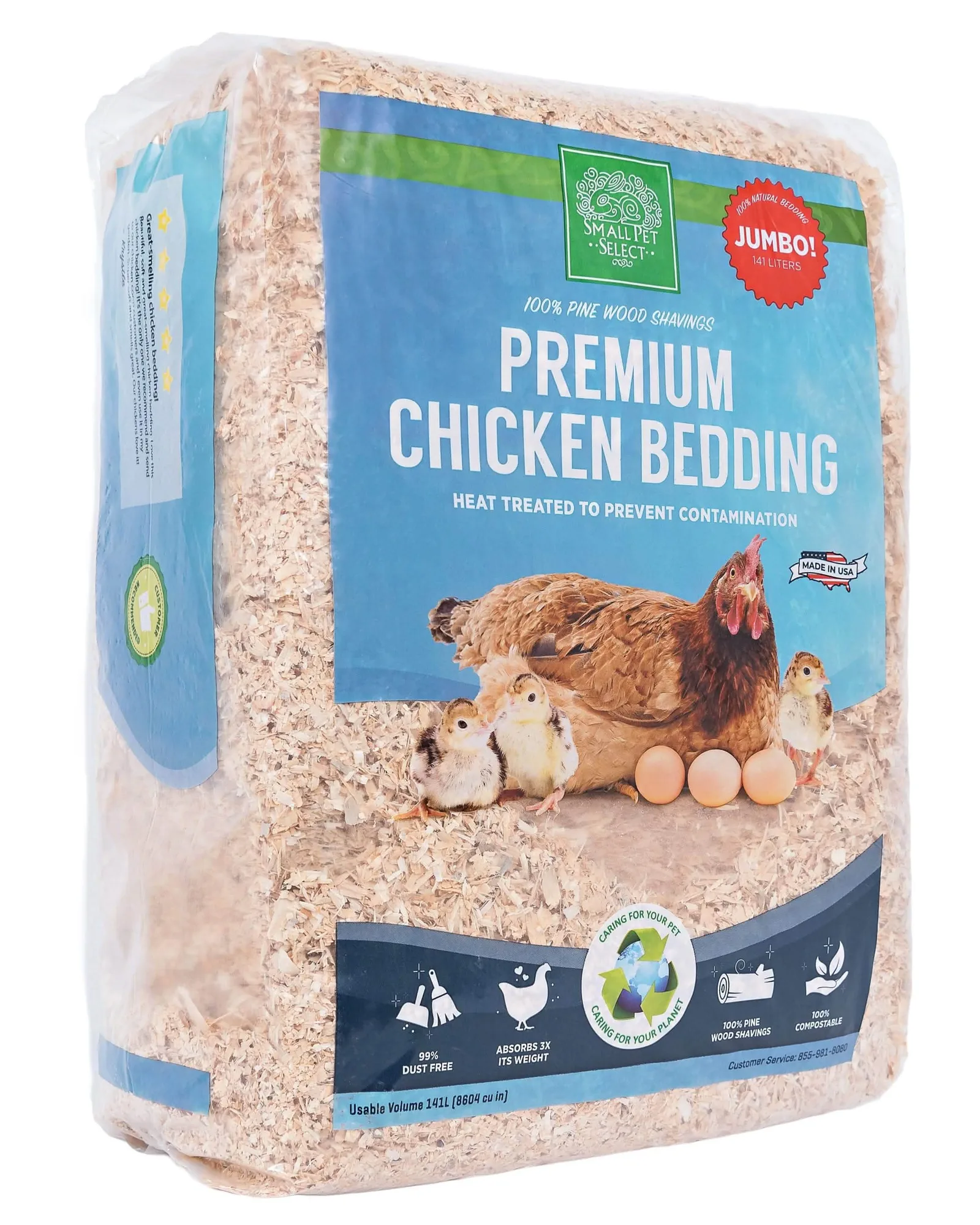
Pine Shavings Chicken Bedding from Small Pet Supplies is 100% natural and 100% biodegradable, so you can compost it without worrying about unsafe disposal. It has no additives, dyes, or irritants, making it suitable for coops and nesting boxes. The shavings are specially processed to be 99% dust-free, which helps reduce dust in the coop. They are also heat-treated in a 600°F (356°C) oven to prevent mold spores, with an exit temperature of 140°F–160°F (60°C–71°C) to target mold, E. coli, salmonella, and other pathogens.
What makes this bedding work for coops
-
Pine Shavings Chicken Bedding: 100% natural and 100% biodegradable pine shavings. Natural, compostable bedding simplifies disposal and fits an eco-friendly coop routine.
Pine Shavings Chicken Bedding
-
Pine Shavings Chicken Bedding: 99% dust-free processing reduces dust and wood debris. Less dust means a cleaner coop environment and less irritation for you and your chickens.
-
Pine Shavings Chicken Bedding: Heat-treated at 600°F (356°C) to prevent mold spores; exit temperature targeted at 140°F–160°F (60°C–71°C) to eliminate mold, E. coli, salmonella, and other pathogens. Heat treatment adds a layer of safety by targeting common coop pathogens.
-
Pine Shavings Chicken Bedding: Extra absorbent for superior odor control and helps eliminate harmful ammonia smells. Ammonia control is key to keeping the coop fresh and protecting flock respiratory health.
How to set up and maintain a dry coop with pine shavings
Follow these steps to get the most from your pine shavings bedding. The product comes in a 141L size, which gives you a generous amount for initial setup and top-ups.
- Prepare the coop: Remove old bedding and clean the coop thoroughly. Ensure the coop is dry before adding new bedding. The bedding itself is sanitized during production, but a clean start helps prevent moisture buildup.
- Apply an even layer: Spread the pine shavings evenly across the coop floor and nesting boxes. A consistent layer helps absorb moisture and provides a comfortable surface. The 141L bag covers a good area for most backyard coops.
- Spot-clean daily: Remove soiled shavings daily, especially around feeders, waterers, and nesting areas. This keeps the bedding fresher and reduces odor. Top up with fresh shavings as needed.
- Stir and aerate: Occasionally turn or stir the bedding to help it dry out and prevent compacted, damp spots. This simple step extends the life of the bedding and maintains absorbency.
- Replace bedding regularly: A full change is needed when bedding becomes damp, heavily soiled, or starts to smell despite spot-cleaning. The frequency depends on flock size, coop ventilation, and weather. In humid or rainy conditions, you may need to change more often.
- Compost spent bedding: Because the shavings are 100% biodegradable, you can add used bedding to your compost pile. This closes the loop and reduces waste.
Troubleshooting moisture and odor
If your coop still feels damp or smells, check ventilation first. Good airflow helps bedding dry out. Also ensure waterers aren't leaking and that rain isn't blowing in. In winter, when coops are closed up, ammonia can build up faster, so monitor closely and change bedding more frequently if needed.
The extra-absorbent pine shavings help control ammonia, but no bedding can compensate for poor ventilation or leaking water. Address those issues alongside your bedding routine.
A simple changing schedule to aim for
There's no single schedule that fits every coop, but you can use these guidelines: spot-clean daily, stir bedding weekly, and do a full change every 2–4 weeks for small flocks (3–6 chickens) in well-ventilated coops. Larger flocks or damp conditions may require more frequent full changes. Always base your schedule on what you see and smell—if bedding is wet or ammonia odor is noticeable, change it.
Why pine shavings beat other bedding options for many flock owners
Compared to straw, pine shavings are more absorbent and less prone to mold when kept dry. They break down faster in compost and are often less dusty. Unlike cedar, pine shavings are considered safe for chickens (cedar contains aromatic oils that can be harmful). The 99% dust-free processing of this product makes it a good choice for coops where dust is a concern.
Product details at a glance
- Pine Shavings Chicken Bedding: Available in a 141L size. A larger bag means fewer trips to the store and enough bedding for a full coop setup plus top-ups.
- Pine Shavings Chicken Bedding: No additives, dyes, or irritants. Safe for chickens and gentle on sensitive skin.
- Pine Shavings Chicken Bedding: All equipment sanitized before production. Adds confidence in the product's cleanliness and safety.