When it comes to choosing a healthy drink for your child, the options can be overwhelming. Among the most popular choices are smoothies and fruit juices, both of which can be part of a balanced diet. But which one offers better nutrition for your little one? In this comparison, we’ll break down the differences between Pip Organic smoothies and juices, focusing on key factors like fiber content, sugar levels, and overall nutritional value. Whether you’re packing a lunchbox or looking for a post-playdate refreshment, understanding these differences will help you make an informed choice for your child’s health.
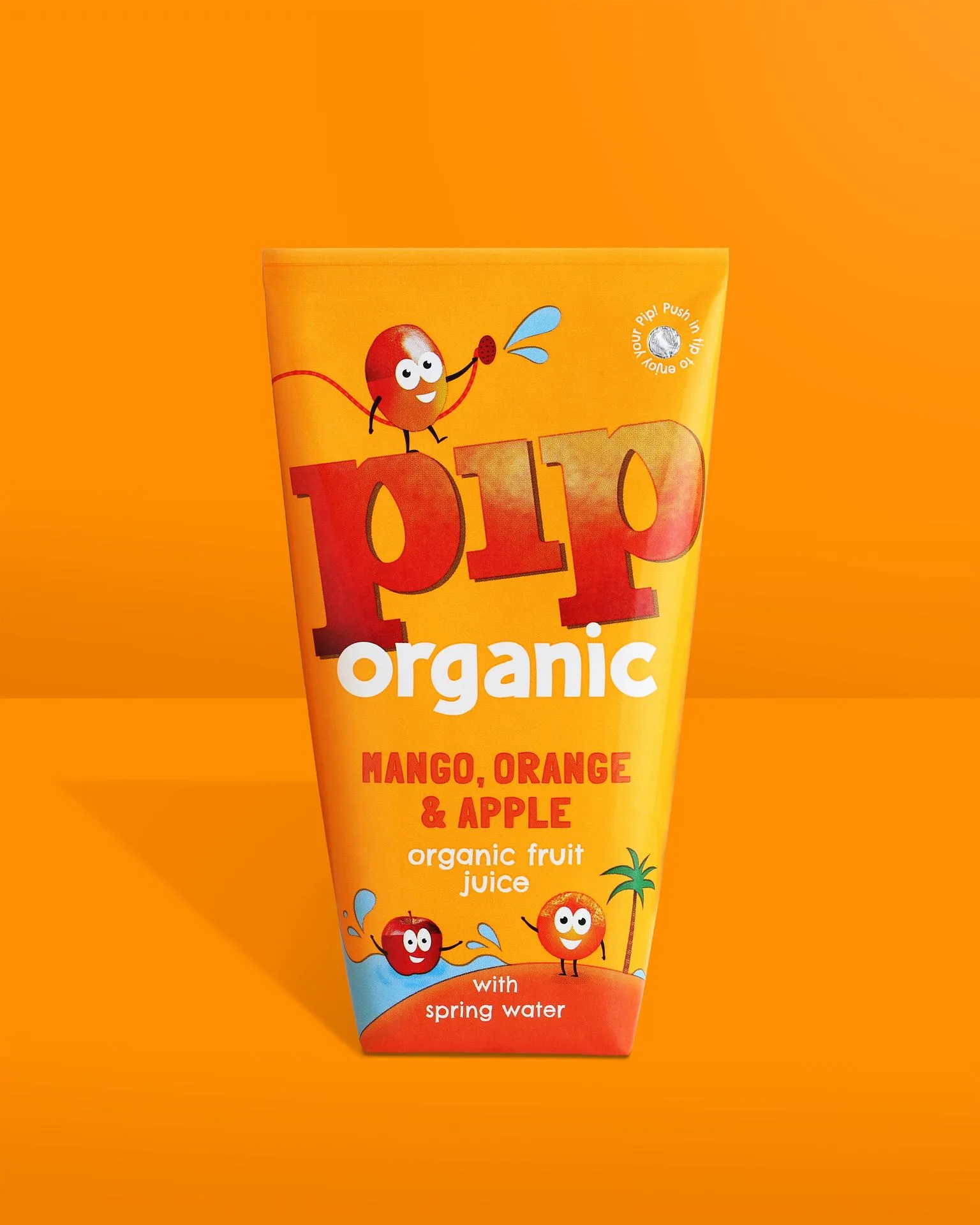
Pip Organic offers a range of both smoothies and juices, all made with organic ingredients and no added sugars. Their smoothies, like the Strawberry, Banana & Purple Carrot Smoothie 180ml, are blended whole fruits and vegetables, while their juices, such as the Mango, Orange & Apple Fruit Juice with Spring Water 180ml, are pressed and sometimes diluted with water. Both are free from artificial additives, but the processing methods affect their nutritional profiles. Let’s dive into the details.
The Nutritional Benefits of Organic Smoothies
Smoothies are made by blending whole fruits and vegetables, which means they retain the fiber found in the plant’s skin and pulp. Fiber is essential for children’s digestive health, helps regulate blood sugar levels, and promotes a feeling of fullness. Pip Organic’s Strawberry, Banana & Purple Carrot Smoothie 180ml is a great example—it combines strawberries, bananas, and purple carrots, providing vitamins A and C, potassium, and antioxidants. The fiber content also slows down the absorption of natural sugars, making smoothies a more balanced option for sustained energy.
Another advantage of smoothies is their versatility. You can add ingredients like yogurt or oats to boost protein and whole grains, but even on their own, smoothies offer a thicker, more satisfying texture that kids often enjoy as a snack or meal component. The Pip Organic smoothie line uses only organic fruits and vegetables, ensuring no pesticides or synthetic fertilizers, which is especially important for young children whose bodies are still developing.
- Tip: Serve a smoothie as a breakfast or after-school snack to keep your child full longer.
The Role of Fruit Juice in a Child’s Diet
Fruit juice, on the other hand, is made by extracting the liquid from fruits, which removes most of the fiber. While juice still contains vitamins and minerals, the natural sugars are more concentrated and absorbed quickly, leading to potential blood sugar spikes. However, not all juices are created equal. Pip Organic’s Mango, Orange & Apple Fruit Juice with Spring Water 180ml is diluted with spring water, reducing the sugar concentration compared to pure juice. This makes it a better option than many commercial juices that are high in added sugars.
Juice can be a good source of hydration and quick energy, especially for active kids or during illness. It also provides vitamin C and other nutrients. For example, the Smooth Orange Fruit Juice 180ml is rich in vitamin C, supporting immune health. The key is moderation—the American Academy of Pediatrics recommends limiting juice to 4-6 ounces per day for children aged 1-6. Pip Organic juices are packaged in small, convenient sizes, making it easier to stick to recommended portions.
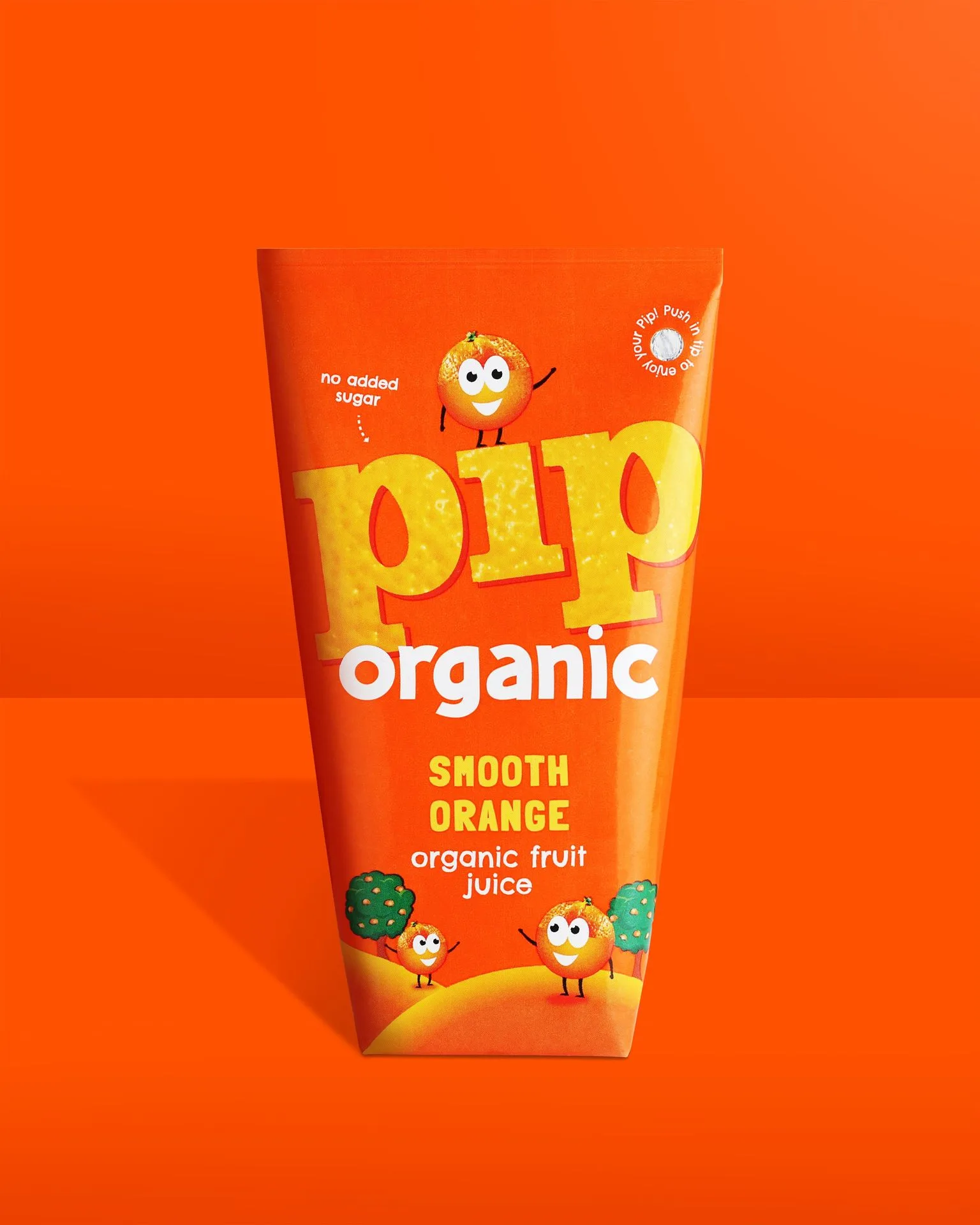
Smooth Orange Fruit Juice 180ml
- Tip: Offer juice with a meal to slow down sugar absorption and pair it with fiber-rich foods.
Smoothie vs Juice: Key Differences at a Glance
To help you decide, here’s a quick comparison of the main nutritional aspects between Pip Organic smoothies and juices. Remember that both can be part of a healthy diet, but their roles differ.
- Fiber: Smoothies contain fiber from whole fruits; juices have little to no fiber.
- Sugar: Both contain natural sugars, but smoothies have lower glycemic impact due to fiber.
- Satiety: Smoothies are more filling; juices may leave kids hungry sooner.
- Hydration: Juices (especially with added water) can be more hydrating due to higher water content.
- Nutrient Density: Both provide vitamins, but smoothies offer more antioxidants from skins and seeds.
When to Choose a Smoothie Over Juice
Choose a smoothie when you want a more substantial drink that can double as a snack. The Pip Organic Strawberry, Banana & Purple Carrot Smoothie 180ml is perfect for busy mornings or after-school refueling. Its fiber helps keep blood sugar stable, which can improve concentration and mood. Smoothies are also ideal for picky eaters who might not eat whole fruits—blending them into a smoothie can make them more appealing.
Additionally, smoothies are a great way to sneak in vegetables. The purple carrot in the Pip Organic smoothie adds color and nutrients without a strong vegetable taste. If your child needs more fiber in their diet, smoothies are the clear winner.
When to Choose Juice Over a Smoothie
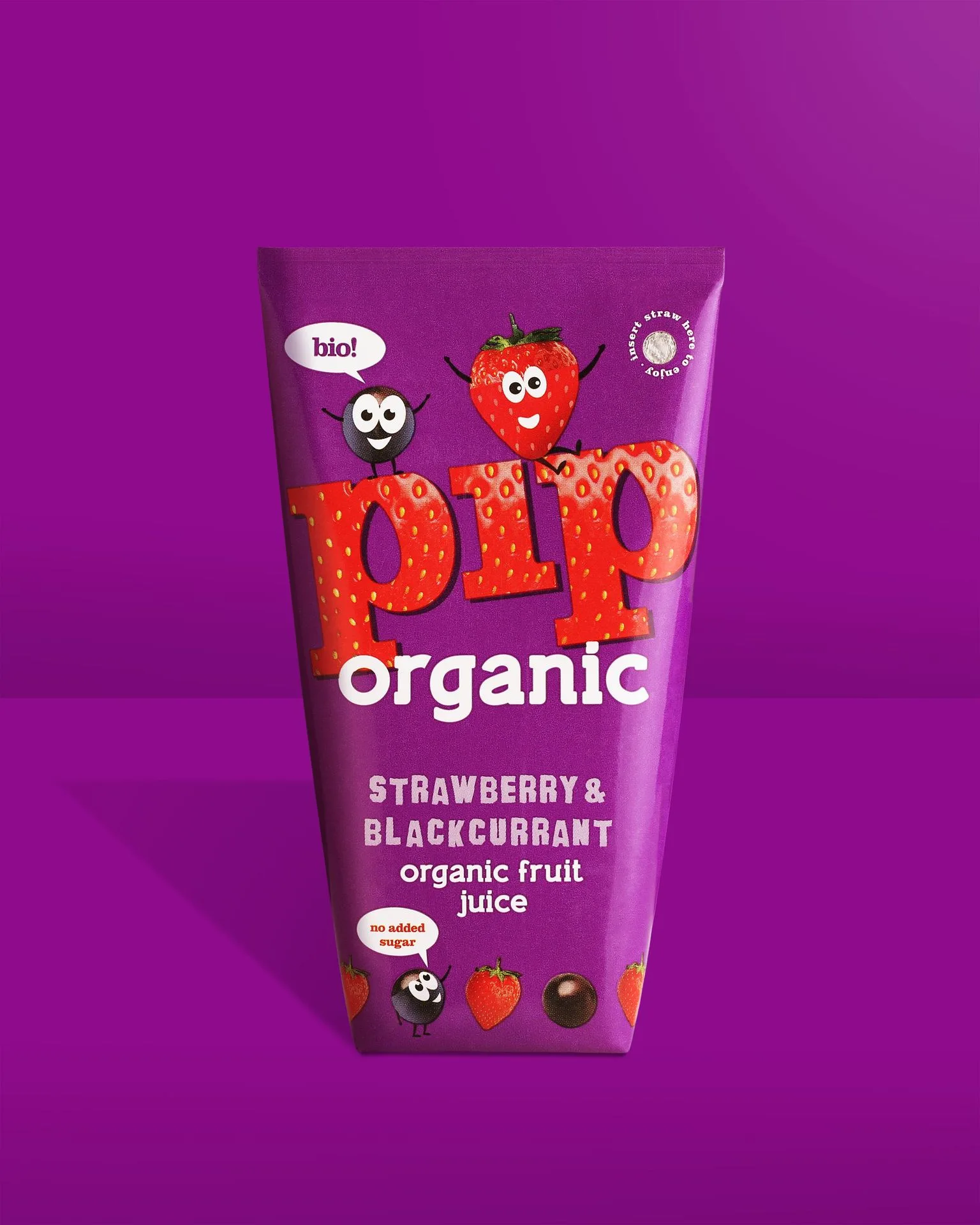
Juice is a better choice when your child needs quick hydration, such as after physical activity or on a hot day. The Mango, Orange & Apple Fruit Juice with Spring Water 180ml is refreshing and light, making it easy to drink. It’s also a good option for children who have difficulty chewing or swallowing thicker textures. For variety, Pip Organic offers other juices like Cloudy Apple Fruit Juice 180ml and Strawberry & Blackcurrant Fruit Juice 180ml, which can add excitement to a lunchbox.
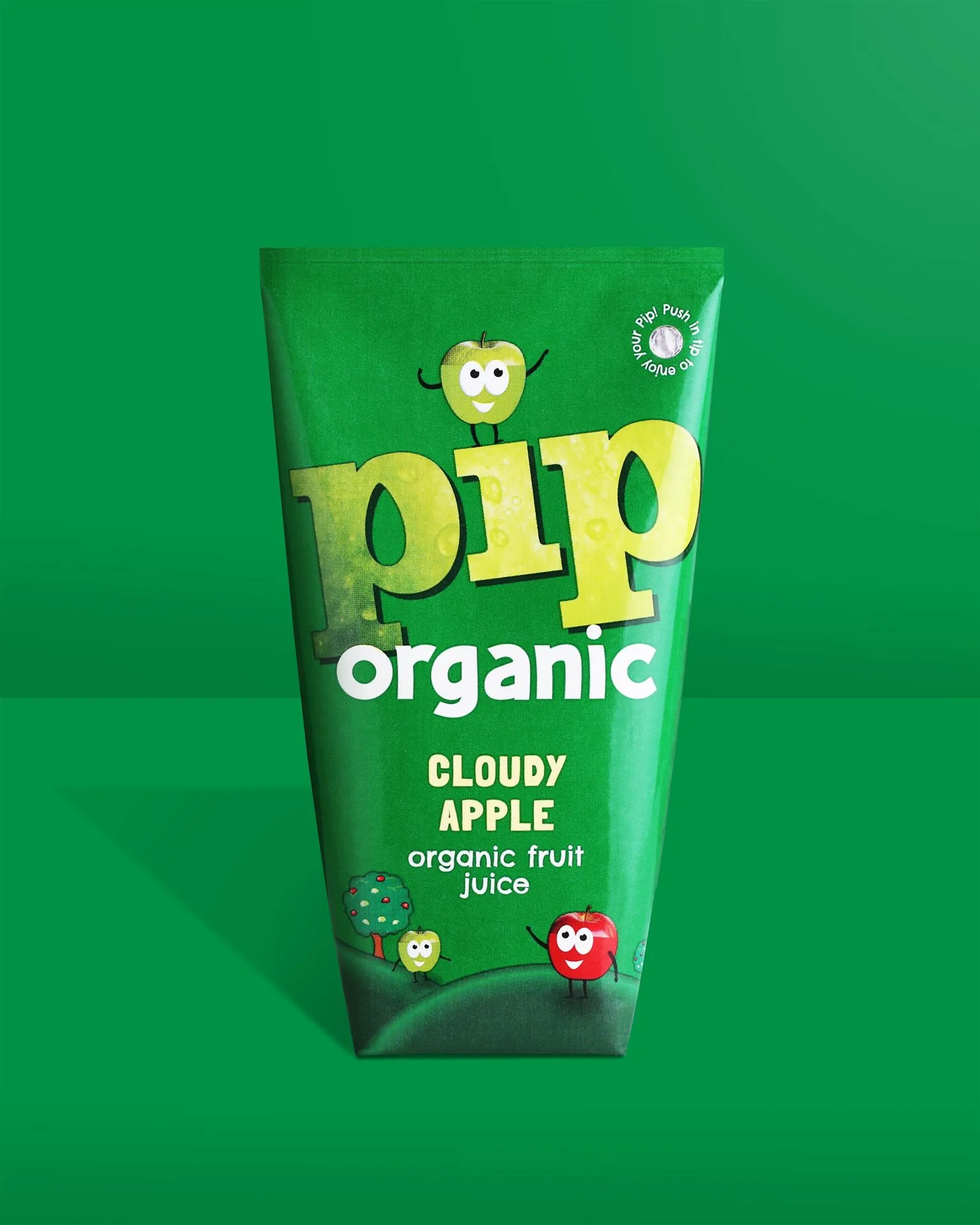
Cloudy Apple Fruit Juice 180ml
Juice can also be used in moderation as a treat or to encourage fluid intake. Because it’s less filling, it won’t spoil a child’s appetite before a meal. Just remember to serve it in small amounts and choose options with no added sugars—Pip Organic juices meet that criteria.
Making the Best Choice for Your Child
Ultimately, the best choice depends on your child’s individual needs and the occasion. For a balanced approach, alternate between smoothies and juices throughout the week. A good rule of thumb is to offer smoothies as a snack and juice as a beverage with meals. Both Pip Organic smoothies and juices are organic, free from artificial ingredients, and made with real fruit, so you can feel confident in their quality.
If you’re still unsure, consider your child’s age and activity level. Younger children may benefit more from the fiber in smoothies, while older, active kids might enjoy the quick energy from juice. Always prioritize whole fruits when possible, but these organic drinks are excellent convenient alternatives.
In the smoothie vs juice debate, there’s no one-size-fits-all answer. Both Pip Organic smoothies and juices offer unique benefits for your child’s nutrition. For a fiber-rich, filling option, try the Strawberry, Banana & Purple Carrot Smoothie 180ml. For a light, hydrating drink, the Mango, Orange & Apple Fruit Juice with Spring Water 180ml is a great choice. Explore Pip Organic’s full range to find the perfect fit for your family’s healthy lifestyle.