Quick answer
For most home kitchens, a wheel-style pizza cutter with a solid metal blade and an ergonomic handle is the most versatile choice. It handles pizza, flatbreads, and pastry crusts without the storage demands of a rocker. If you regularly cut large, thick-crust pizzas or work on a large cutting board, a rocker cutter can be easier on your wrist. Prioritize blade material and handle comfort over extra features.
Wheel vs rocker: match the cutter to your cutting style
A wheel cutter rolls through the crust with a single forward motion. It works well for standard round pizzas, flatbreads, and pastry. Because the blade is small, you can cut directly on a sheet pan or a crowded countertop without needing much clearance. The trade-off is that thick or heavily loaded pizzas may require a second pass, and the blade can wander if you rush.
A rocker cutter uses a curved blade that you rock back and forth. It excels on large pizzas and thick crusts because you can apply steady downward pressure across a wider area. It also lets you cut without lifting the tool, which some cooks find more controlled. The downside is size: a rocker needs a large cutting board and dedicated storage space. If your kitchen is tight, a wheel is usually the more practical pick.
Blade material and construction: what actually matters
Look for a blade made from solid, lead-free metal. Stainless steel is common because it resists rust and holds an edge, but the catalog may not specify the exact alloy. When a material is not listed, treat it as an unknown rather than assuming a premium grade. What you can evaluate is whether the cutter is free from plastic in the blade and handle assembly, which often signals a more durable build.
A sharp circular blade delivers smooth, even cuts. A dull blade tears toppings and compresses the crust, so sharpness matters more than blade diameter for clean separation. Ergonomic handles reduce hand fatigue, especially if you cut multiple pizzas. A balanced, comfortable grip also helps you keep the blade perpendicular to the crust, which prevents ragged edges.
Size and storage: fit the tool to your space
Wheel cutters are compact and fit easily in a drawer. Rocker cutters are longer and often need a hook or a dedicated slot. Before buying, measure your drawer or decide where the cutter will live. If you have limited storage, a wheel cutter is the safer bet. Also consider the blade guard: some wheels include one, which protects your hands and keeps the blade from dulling against other utensils.
For deep-dish or extra-large pizzas, a larger wheel diameter can help you cut through in one pass, but it also takes more room in the drawer. A rocker with a wide blade covers more surface per cut, which is useful for sheet-pan pizzas. Match the tool to the size of the pizzas you actually make, not the ones you imagine making.
Care and longevity: simple habits that keep the edge
Most wheel cutters are hand wash only, even if the handle is metal. Dishwasher heat and harsh detergents can dull the blade and degrade handle materials. Wash by hand with warm water and mild soap, then dry immediately to prevent spotting. If the cutter is dishwasher safe, that will be stated in the product details; do not assume it.
Store the cutter so the blade is not knocking against other tools. A blade guard or a dedicated drawer divider prevents nicks. If you cut on glass or stone, expect faster dulling; a wood or plastic cutting board is gentler on the edge. Replacing a cutter every year or two is common with heavy use, but a solid metal build often lasts longer.
Decision rules for buying a pizza cutter
- If you make standard round pizzas most often: Choose a wheel cutter with a solid metal blade and an ergonomic handle. It is compact, easy to store, and works on flatbreads and pastry too. A wheel cutter is the default for most home kitchens.
- If you regularly cut large or thick-crust pizzas: Choose a rocker cutter. The curved blade lets you apply steady pressure across a wider area without lifting the tool. Rocker cutters need more storage space but reduce wrist strain on big pies.
- If storage is tight: Measure your drawer before buying. A wheel cutter fits easily; a rocker may not. Look for a blade guard to protect the edge and your hands. Storage constraints should rule out a rocker if you have no dedicated space.
- If you want a tool that lasts: Prioritize solid, lead-free metal and a plastic-free build. Hand wash and dry immediately, and store with the blade protected. Material and care matter more than extra features.
Product facts
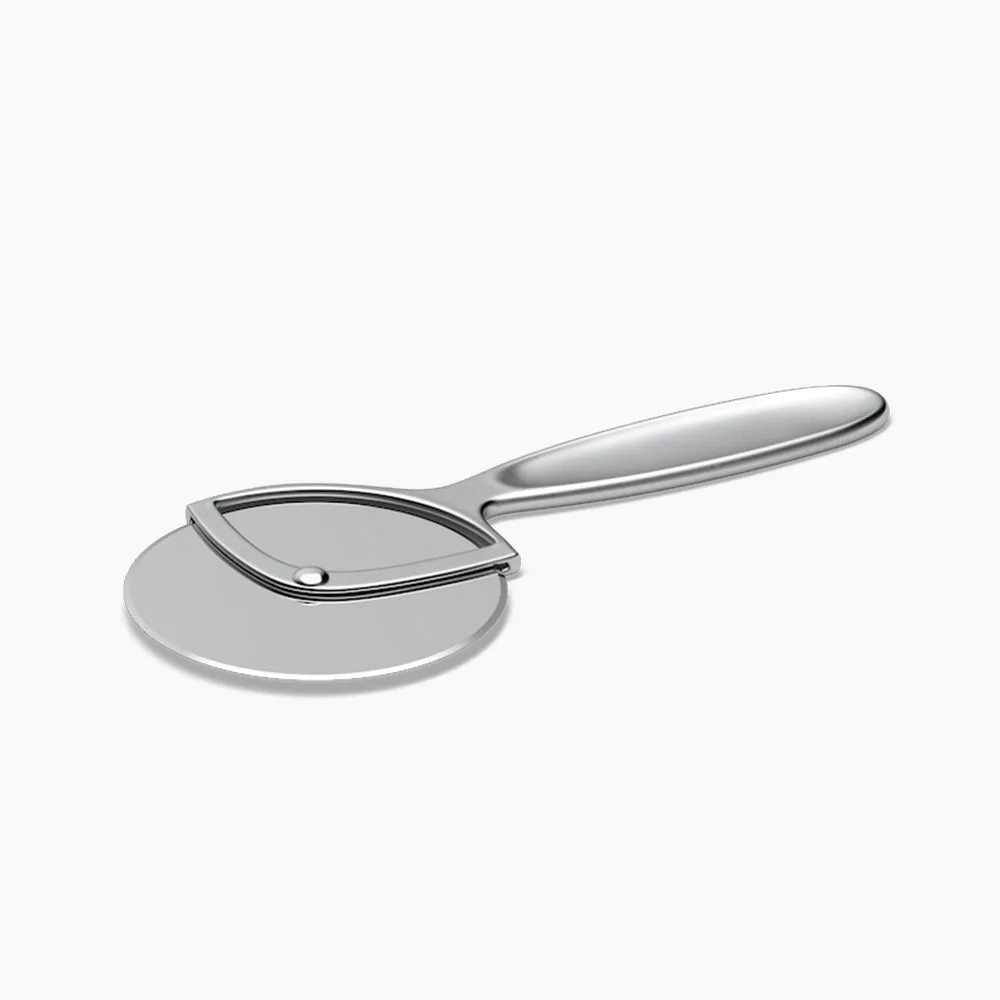
- Pizza Cutter: A pizza cutter crafted from solid, lead-free metal, designed to glide cleanly through pizza, flatbreads, and pastry crusts. The sharp circular blade delivers smooth, even cuts, while the ergonomic handle provides a steady, comfortable grip. Finished in matte silver and free from plastic. This is a wheel-style cutter that fits most home kitchens. The lead-free metal and plastic-free build address durability and material concerns, while the ergonomic handle helps with control.
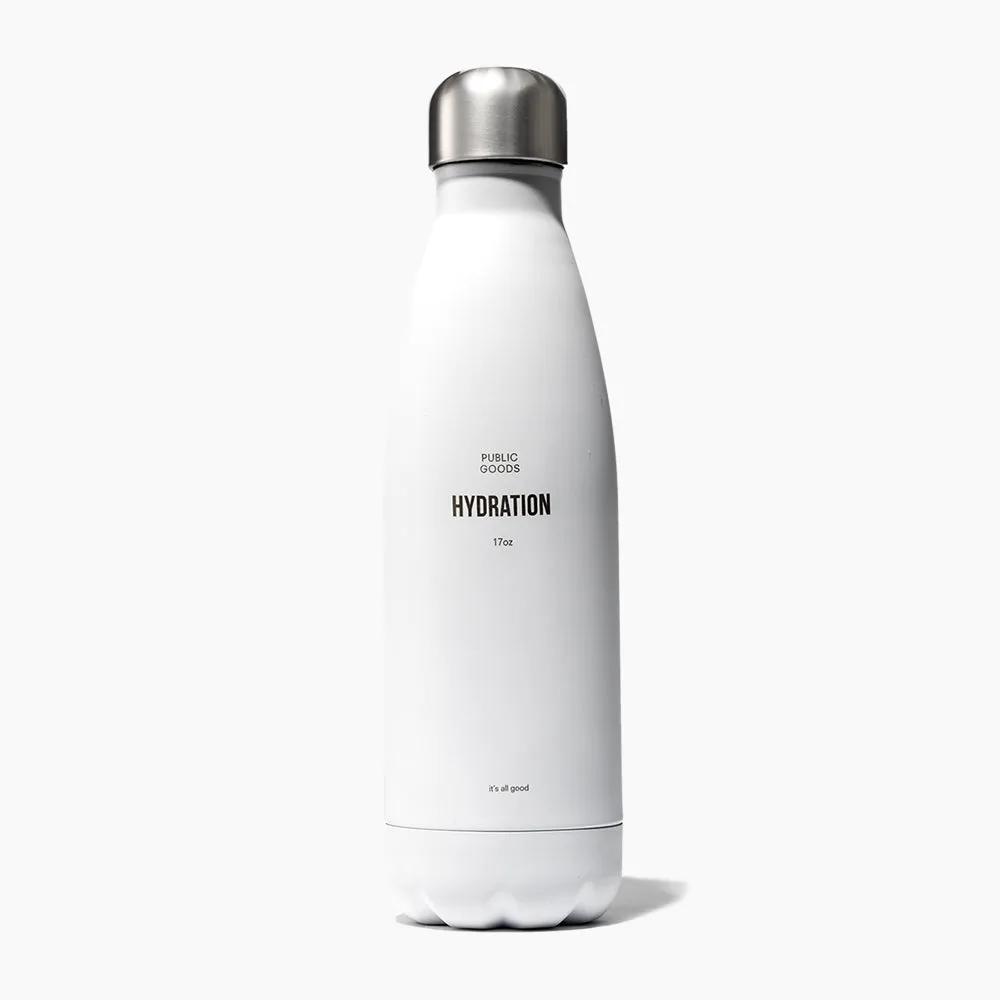
- Stainless Steel Water Bottle: A double-wall insulated bottle crafted from 18/8 stainless steel, designed to maintain the temperature of both hot and cold beverages. The durable, condensation-free form is BPA-free and shaped for ease of use, with a wide mouth that accommodates ice and a base that fits most cup holders. Hand wash only. Not a pizza tool, but useful if you want to keep drinks cold while you cook. The 18/8 stainless steel and double-wall insulation are the same material considerations you look for in a cutter blade.
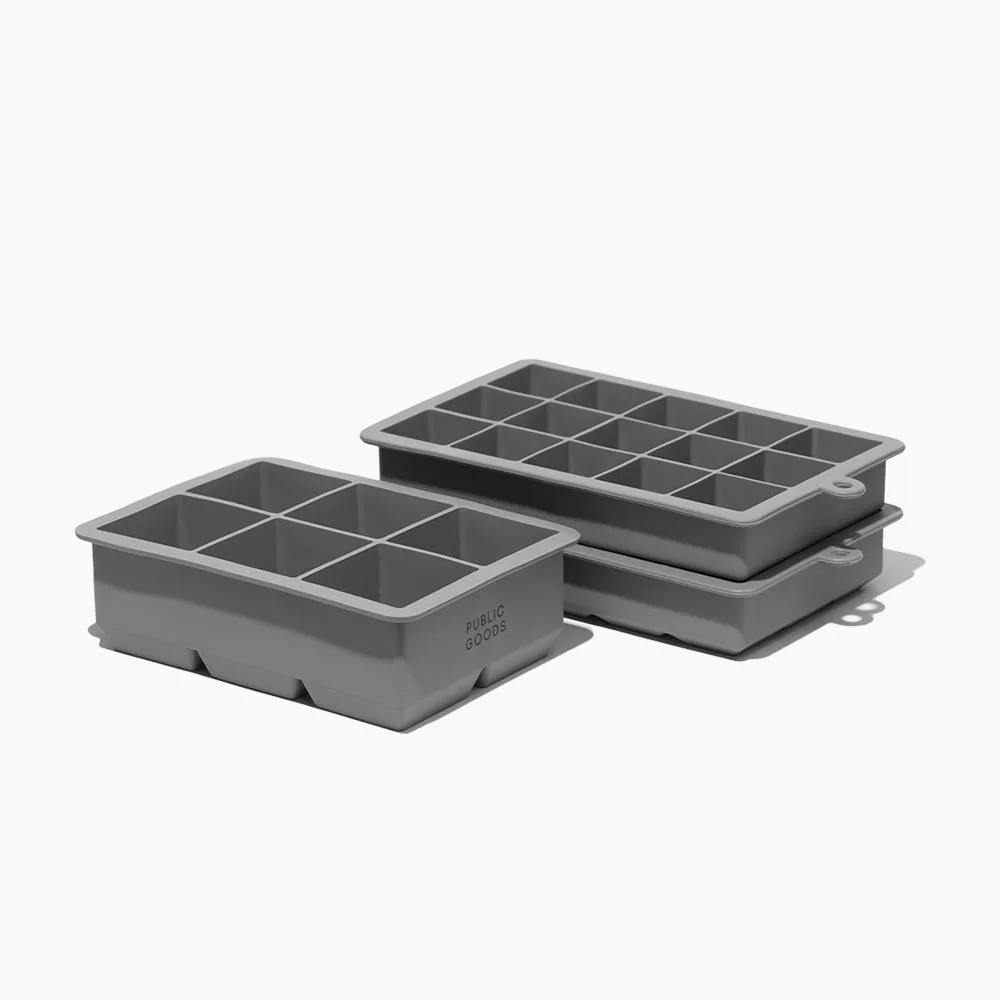
- Silicone Ice Cube Trays: A set of silicone ice trays designed to form cubes in two sizes, suited for a range of beverages from iced tea to cocktails. Crafted from 100% food grade silicone, the flexible molds release cubes cleanly while remaining durable and BPA free. Resistant to both freezing and high heat, they may also be used for baking or portioning small preparations. A reminder that kitchen tools should be easy to release and clean. The two cube sizes and heat resistance make these trays versatile beyond ice.
Who should buy which cutter
Best for
- Home cooks who make pizza, flatbreads, or pastry several times a month
- Small kitchens with limited drawer space
- Anyone who wants a simple, durable tool without extra parts
Not for
- Cooks who frequently cut extra-large or deep-dish pizzas and have room for a rocker
- Anyone who expects a cutter to be dishwasher safe without checking the product details
- Professional kitchens that need a heavy-duty commercial tool