The short answer depends on your crust
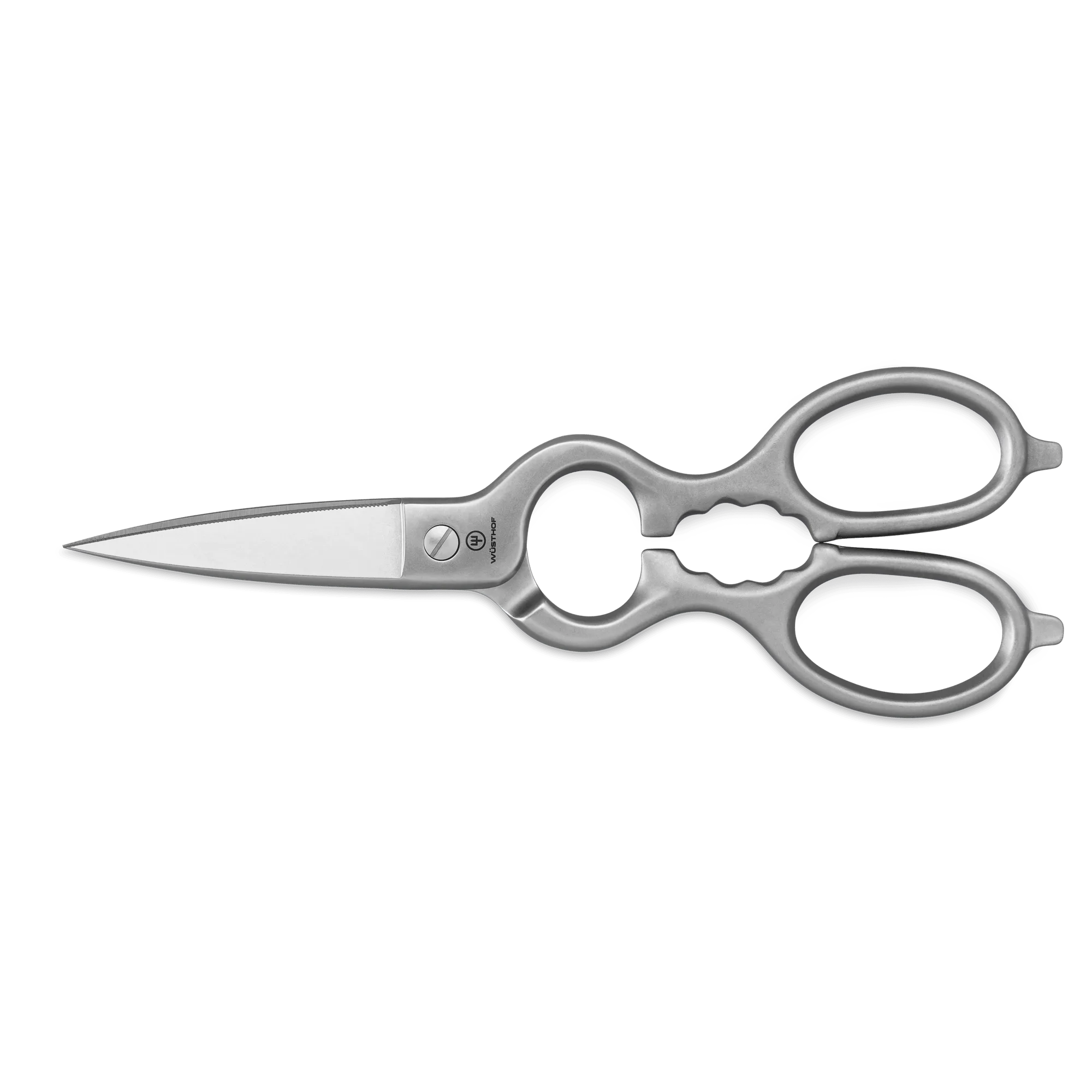
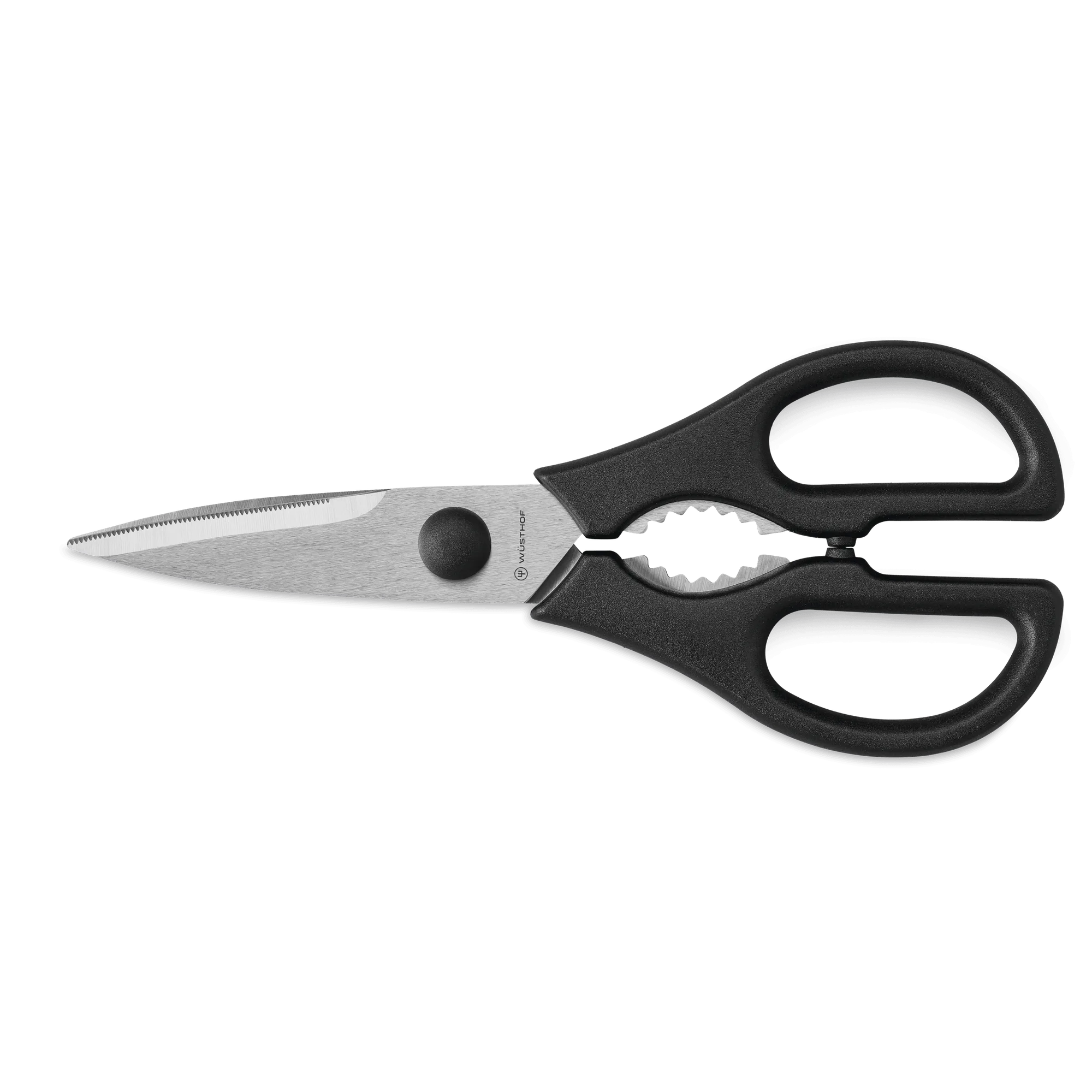
For a round pizza with a crisp or firm crust and a normal load of toppings, a pizza wheel gives you straighter, more even slices in one continuous roll. Kitchen shears are better when the crust is very thin, very thick, or loaded with toppings that slide when a blade rolls over them, because scissors cut from above instead of pressing down.
The honest tradeoff is that a wheel needs a clean, flat surface and a little practice to keep lines straight, while shears are easier to control but can drag toppings and leave a slightly rougher edge. Neither tool is universally 'best' — the right pick follows the pizza in front of you.
Where each tool wins
- Crisp, thin-to-medium crust: A pizza wheel is the natural fit. A sharp circular blade rolls through a firm base without lifting the edge, and you can cut the whole pie in a few straight passes.
- Thick, soft, or pan-style crust: Kitchen shears do better here. A wheel can compress a deep, soft crust instead of slicing it, while scissors cut downward through the height of the base.
- Heavily loaded pizza: Shears let you see exactly where the cut is going and snip through piled toppings. A wheel may push cheese and loose ingredients ahead of the blade.
- Straight, even slices for serving: A wheel is easier to keep on a straight line across a round pie. Scissors tend to follow your hand and can drift, so portions look less uniform.
- Speed on a single pizza: A wheel is faster once you have the motion. Shears need a full open-and-close per cut, which adds time on a large pie.
- Cutting directly in a pan or on a board: Scissors can cut a pizza that is still in a shallow pan without lifting it. A wheel needs enough clearance and a surface that will not be scratched by the blade.
What a pizza wheel brings to the cut
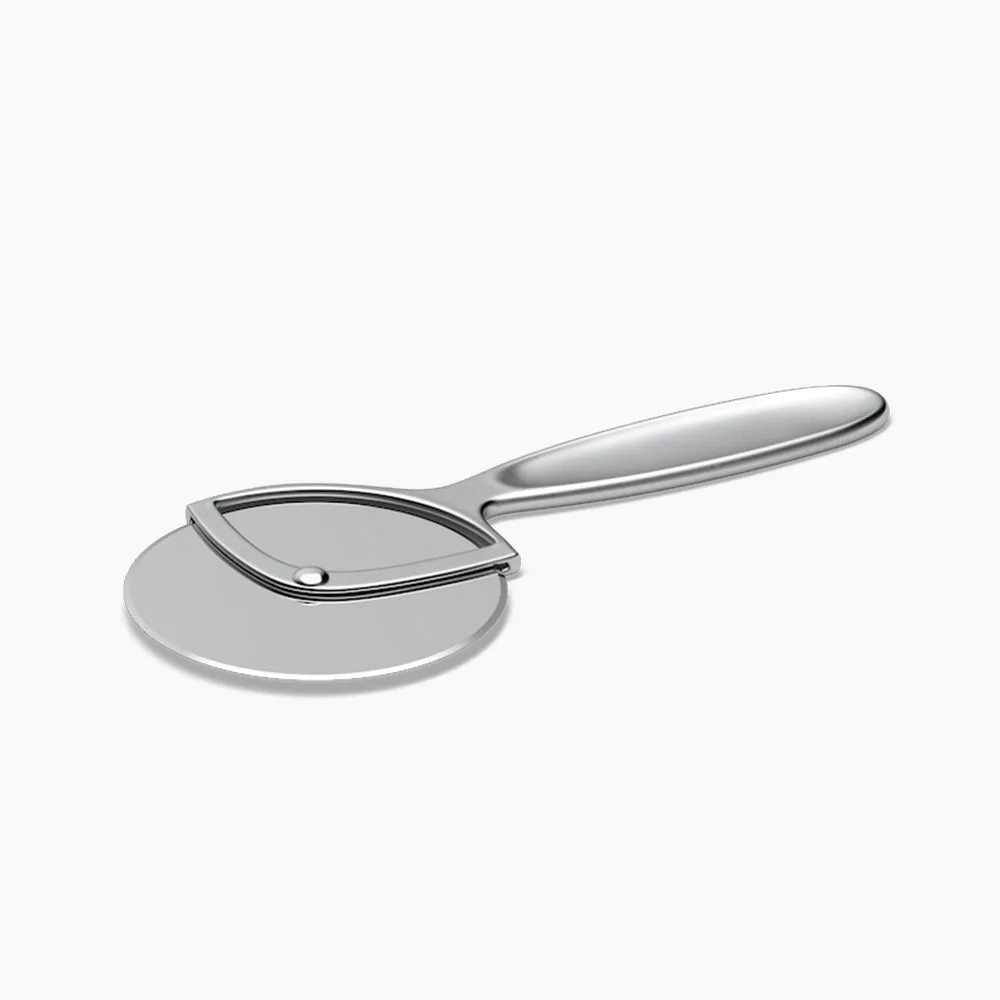
A dedicated pizza cutter is built around one job: a sharp circular blade and a handle you can push with a steady grip. The Public Goods Pizza Cutter is made from solid, lead-free metal with a matte silver finish and no plastic, and the ergonomic handle is designed for a comfortable, controlled roll. That combination is why a wheel feels natural on flatbreads and pastry crusts as well as pizza — the same rolling motion works across all three.
The limitation to plan around is the blade. A wheel only cuts cleanly when it is sharp and clean, and it works best on a surface you are willing to cut against. If your pizza is thick or your toppings are heavy, the wheel is the weaker tool no matter how good the handle feels.
Pizza Cutter at a glance
-
Pizza Cutter: Crafted from solid, lead-free metal with a sharp circular blade for smooth, even cuts. The rolling blade is the reason a wheel produces straighter slices than scissors on a firm crust.
Pizza Cutter
-
Pizza Cutter: Ergonomic handle designed for a steady, comfortable grip. Control matters most when you are rolling across a round pie; a grip that slips makes uneven slices.
-
Pizza Cutter: Designed to glide through pizza, flatbreads, and pastry crusts. If you cut flatbreads or pastry too, one wheel covers more of your kitchen work than a pair of shears kept for pizza.
-
Pizza Cutter: Matte silver finish, free from plastic, built as a durable tool designed to last. A metal tool with no plastic parts is simpler to keep clean and less likely to crack at the handle.
What kitchen shears bring to the cut
Shears are the more forgiving tool when the pizza fights back. Because you cut from above, you can see the line, snip around a stubborn topping, and stop at any point. That makes them useful for thick crusts, calzones, and pizzas where the cheese has fused into a single sheet.
The cost is consistency and edge quality. Scissors pinch the crust between two blades rather than slicing with one edge, so the cut can look compressed. They also require more hand work per slice. If you already own a sturdy pair of kitchen shears, they are a legitimate backup for homemade pizza — but they are not a replacement for a wheel on a standard round pie.
How to get a clean cut with either tool
The method matters as much as the tool. These steps apply whether you reach for a wheel or shears.
- Let the pizza rest briefly: Give a hot pizza a moment out of the oven so the crust firms slightly and the cheese sets. Cutting immediately can drag toppings and tear the base.
- Use a flat, stable surface: A wheel needs a cutting board or a surface you are comfortable cutting against. Shears can work in a shallow pan, but the pan should be steady.
- Cut from the center outward: Start at the middle and roll or snip toward the edge. This keeps the line straighter than starting at the rim and trying to meet the center.
- Wipe the blade between passes: Cheese and sauce build up on a wheel quickly. A quick wipe keeps the blade rolling instead of smearing.
- Keep your fingers clear: With shears, cut toward the board rather than toward your hand, and keep the pizza steady with a spatula or your palm flat and away from the blades.
How to clean a pizza cutter without dulling it
A pizza cutter lasts longer when you clean it promptly. Wipe the blade and handle with warm, soapy water and a soft cloth or sponge, then dry it thoroughly before storing. Removing cheese and sauce right after use prevents buildup around the blade axle, which is where a wheel starts to drag.
The supplied product information for the Public Goods Pizza Cutter does not include specific dishwasher or care instructions, so check the packaging or the manufacturer's guidance before putting it in a dishwasher. As a general rule, hand washing is gentler on a sharp edge, and drying immediately avoids water spots on the matte silver finish. Store the cutter where the blade is protected — a drawer divider or a small box — so it stays sharp and your fingers stay safe.
Which should you reach for tonight?
Choose the pizza wheel for a standard round pizza, flatbread, or pastry with a firm crust, and for any occasion where you want even, presentable slices. Choose kitchen shears for a thick or very soft crust, a heavily topped pizza, or a pie still sitting in a pan. If you cut pizza often, the wheel earns its place as the primary tool; shears are the flexible backup. The Public Goods Pizza Cutter covers the everyday case with a metal build and a grip designed for control, and at its catalog price of USD 9.07 it is a low-risk addition to a kitchen that already has scissors.