Quick Answer
For most shrimp keepers, a planaria trap is the safer and more effective choice, especially in tanks with vulnerable shrimp. Manual removal works only for light infestations and risks stressing or injuring your shrimp.
Why Planaria Are Dangerous in Shrimp Tanks
Planaria are small flatworms that can become a serious problem in shrimp and snail aquariums. While they are not always visible, their presence can be detrimental to the most vulnerable inhabitants, such as small and freshly moulted shrimp. These shrimp have soft exoskeletons and are easy targets for planaria, which can attack and kill them.
Because planaria reproduce quickly and can hide in substrate and decorations, a few worms can soon become a colony. Acting early is important, but the method you choose must balance effectiveness with the safety of your shrimp.
Manual Removal: When It Works and When It Doesn't
Manual removal involves physically picking out planaria with a siphon, tweezers, or a turkey baster. This method is best for very light infestations where you can see and reach the worms. However, it is time-consuming and often misses hidden planaria, allowing the population to rebound quickly.
Manual removal also carries risks. Poking around the substrate can stress shrimp, and accidentally sucking up a shrimp or injuring it with tweezers is a real possibility. For tanks with many hiding spots or a large planaria population, manual removal is rarely enough on its own.
Planaria Traps: A Set-and-Forget Solution
A planaria trap works by luring planaria into a container where they cannot escape. This method is far less labor-intensive and does not disturb the shrimp or the substrate. It is especially effective at removing colonies of planaria within a matter of days, making it a practical choice for moderate to heavy infestations.
Traps are also safer for your shrimp because there is no physical contact. You simply place the trap, wait, and then remove it with the trapped planaria. This hands-off approach minimizes stress and reduces the risk of accidental harm to your shrimp.
Trade-Offs at a Glance
- Effort: Manual removal requires constant attention and repeated sessions. A planaria trap requires only placement and periodic emptying.
- Safety for Shrimp: Manual removal risks stressing or injuring shrimp, especially freshly moulted ones. Traps are non-invasive and safe for all shrimp sizes. Always choose a trap if you have small or freshly moulted shrimp in the tank.
- Effectiveness: Manual removal only catches visible planaria, leaving hidden ones to reproduce. Traps attract planaria from the substrate and decorations, removing entire colonies over a few days. For a heavy infestation, a trap is more likely to solve the problem completely.
Product Spotlight
-
Planaria Small Pests Catcher Trap up to 40 gallons: The Planaria Small Pests Catcher Trap is designed for tanks up to 40 gallons and can remove colonies of planaria swiftly within a matter of days. This makes it a practical, low-effort solution for most shrimp tanks, especially when you need to act quickly without harming your shrimp.
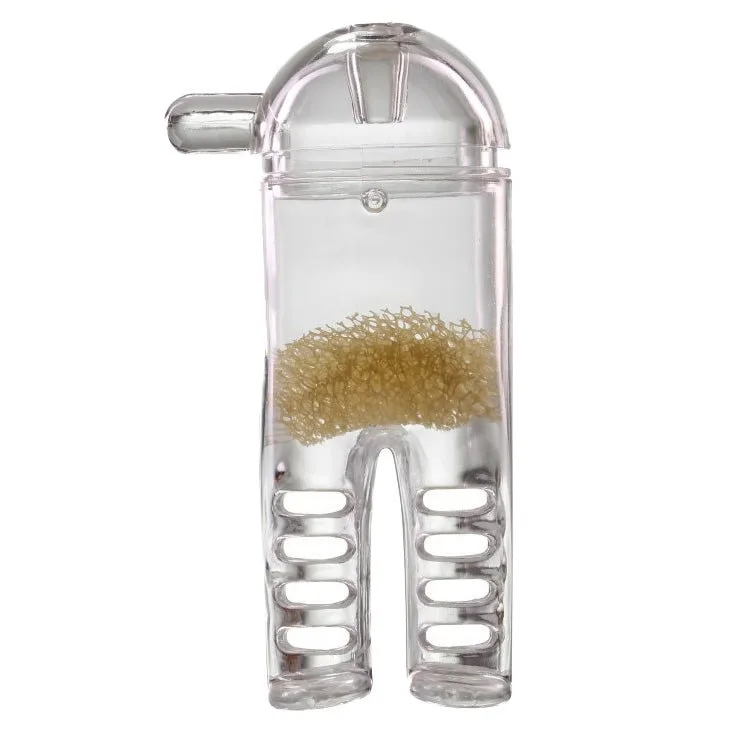
Planaria Small Pests Catcher Trap up to 40 gallons
Which Method Should You Choose?
Best for
- Shrimp keepers with small or freshly moulted shrimp who need a safe, non-invasive solution
- Tanks with moderate to heavy planaria infestations where manual removal is impractical
Not for
- Hobbyists who only spot a few planaria and prefer a quick, hands-on fix
- Tanks larger than 40 gallons where a single trap may not cover the whole area