Quick answer
Buy a planner if you schedule time, a workbook if you complete exercises or prompts, and a journal if you write freely for reflection or notes. If you need one book for work, choose a planner with enough dated space; for study or self-guided learning, choose a workbook; for personal writing, choose a journal. If your needs are mixed, start with a planner and add a separate notebook or jotter for free writing.
Match the format to the task, not the label
The label on the cover matters less than the page structure. A planner usually has dated or timed sections that ask you to assign tasks to days. A workbook has prompts, questions or exercises that expect a response. A journal has open pages for free writing. If you buy the wrong structure, you will either leave dated pages blank or run out of room for the notes you actually need.
A simple test: look at how you will use the book tomorrow. If you will write times next to tasks, you need a planner. If you will answer a question or follow a lesson, you need a workbook. If you will write a paragraph with no fixed prompt, you need a journal or a notebook.
Check paper weight and page count before you commit
Paper weight affects how the book feels and how well it handles ink. Heavier paper usually means less show-through and a more substantial page, but it also makes the book thicker for the same number of pages. If you write with fountain pens or heavy markers, prioritise heavier paper. If you mostly use pencil or ballpoint, standard paper is usually enough.
Page count is a trade-off with portability. A book with 148 pages may last a few months of daily planning, while a 100-page tear-off pad is better for lists you remove and replace. Decide whether you want a long-term record or a disposable working pad.
Choose binding and format for where you will use it
Ringbound notebooks lie flat and let you fold pages back, which suits desk work and study. Gummed tear-off pads let you remove a page without damaging the rest, which suits shopping lists, messages and shared notes. A small A6 jotter fits a pocket or bag for quick capture, while an A4 notebook gives more room per page for planning or long-form writing.
If you work at a desk, A4 or A5 with a ring binding is the most practical. If you move between rooms or sites, a smaller jotter or a pad with a magnet or tear-off pages is easier to carry and use.
Set a budget by replacing what you actually use
A planner, workbook or journal is only good value if you fill it. Before spending more on a premium cover, estimate how many pages you use per week. If you use five pages a week, a 100-page book lasts about five months. If you use one page a week, it lasts two years and you may prefer a cheaper format or a smaller pad.
Buy the structure that matches your habit first, then upgrade the cover or paper once you know you will finish it. This avoids paying for dated pages you never open.
Decision rules for planner, workbook or journal
- If you schedule by time or date: Choose a planner with dated or timed sections. If the book has no dates, you will have to write them yourself, which slows down daily use. Buy the planner only if you will open it most days.
- If you complete exercises or prompts: Choose a workbook with structured pages. A blank journal will not tell you what to do next, and a planner will not give you enough room for full answers. Match the workbook to the course or subject you are following.
- If you write freely or reflect: Choose a journal or notebook with open pages. Dated planners create wasted pages when you skip days, and workbooks force a structure you may not want. Pick lined pages for text and blank pages for sketches or diagrams.
- If you need one book for mixed use: Start with a planner for scheduling and add a separate jotter or notepad for free notes. Combining both in one book often means one half goes unused. Two cheap formats usually beat one expensive compromise.
Product facts to compare
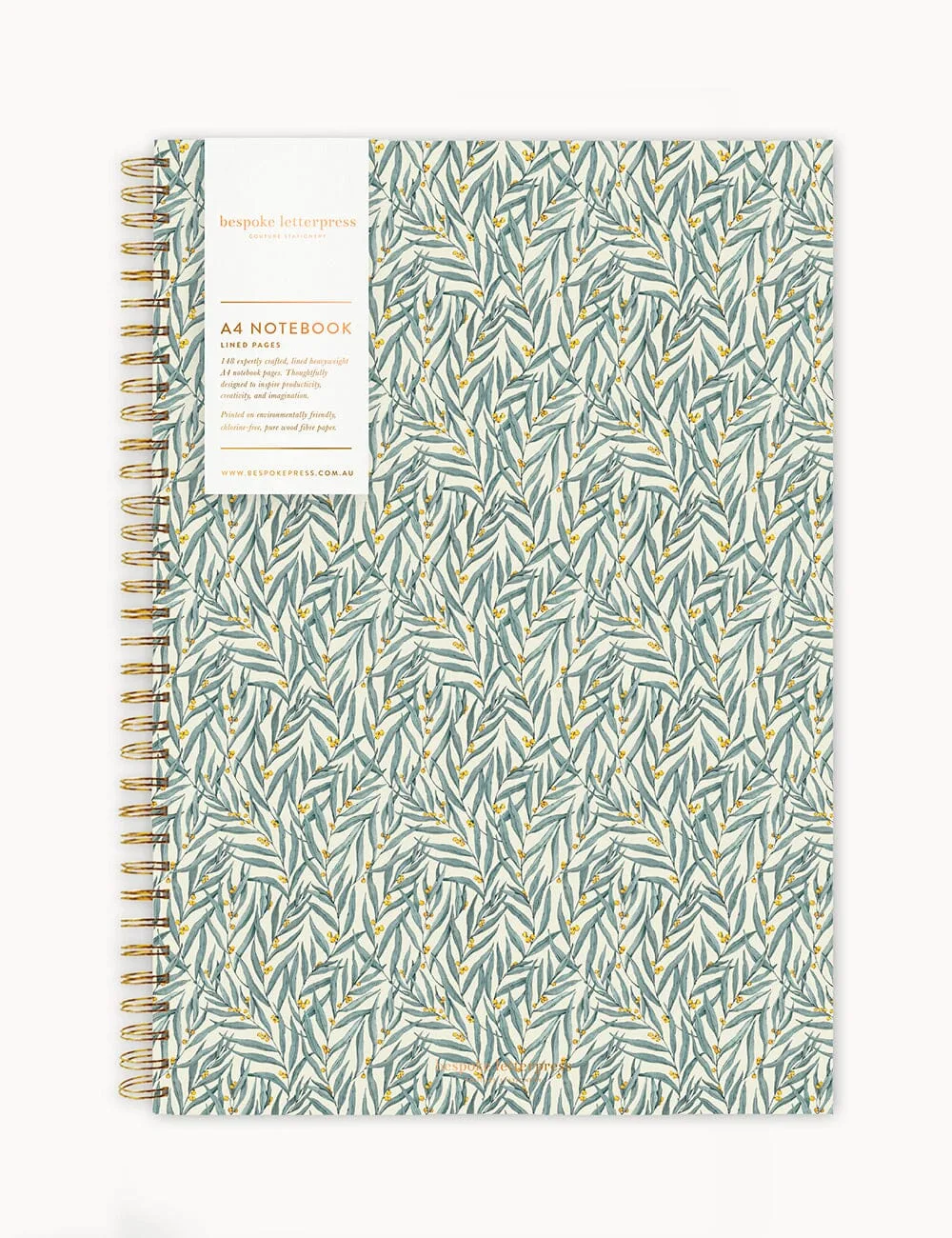
- Ringbound A4 Notebook - Golden Wattle: Ringbound A4 Notebook - Golden Wattle has 148 heavyweight lined pages with gold gilded edges and an illustrated internal cover. The A4 size and lined pages suit long-form planning or journaling at a desk, while the ring binding lets you fold pages back.
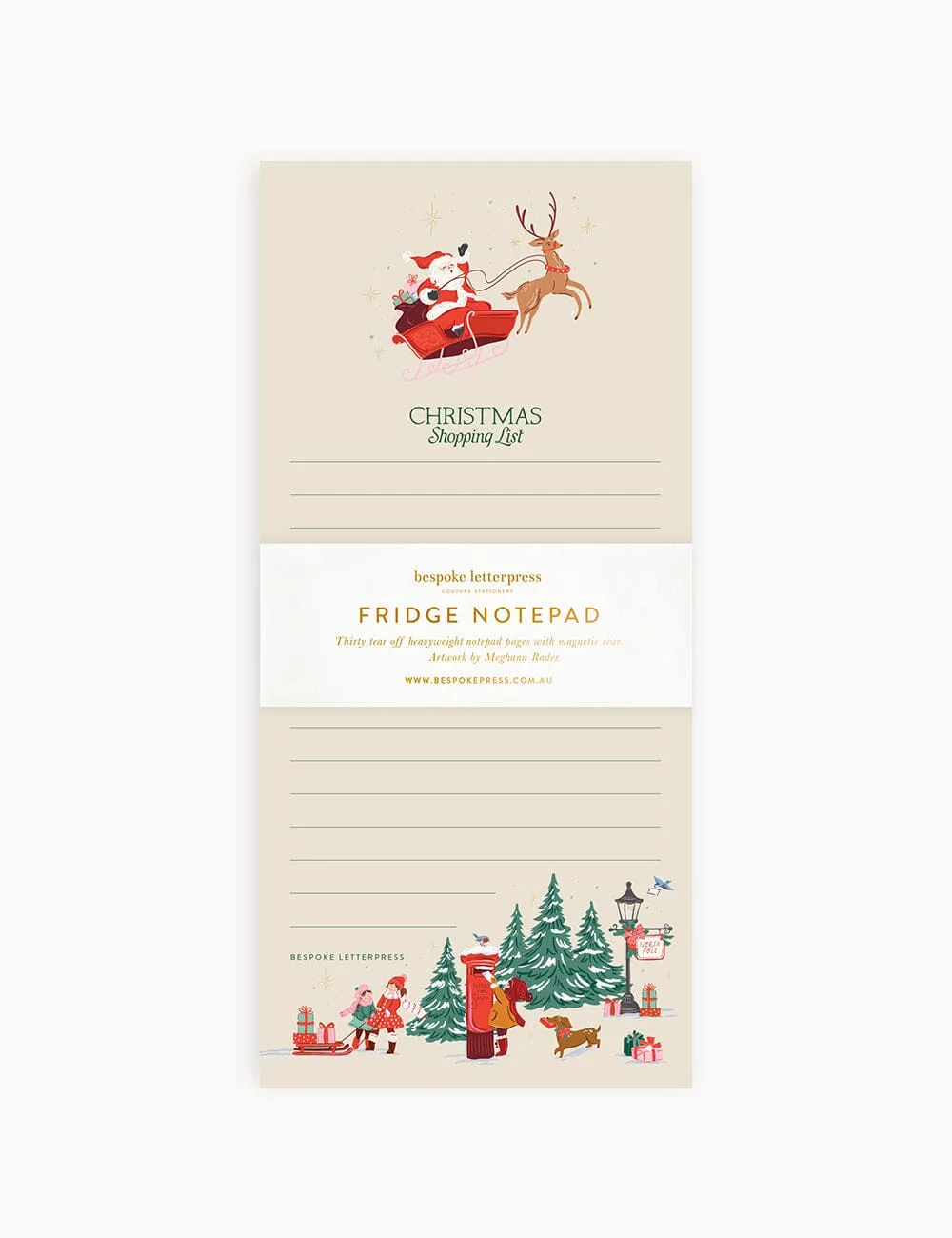
- Christmas Shopping List DL Notepad: Christmas Shopping List DL Notepad has 30 lined tear-off gummed pages, a heavy-duty boxboard base and a magnet to the rear. The tear-off format and magnet make it a practical list pad for the fridge or a shared kitchen, rather than a long-term journal.
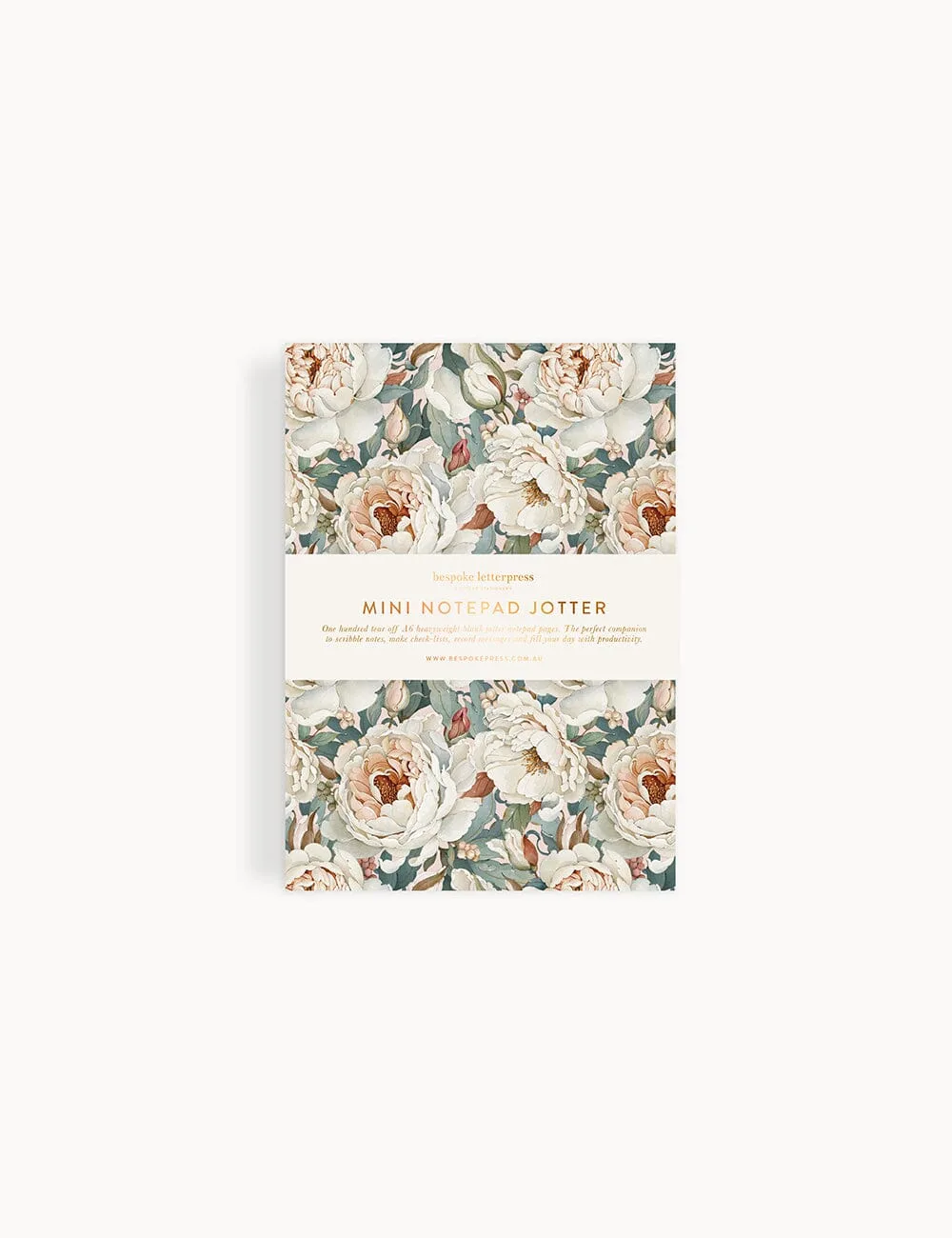
- Mini Heritage Roses Jotter: Mini Heritage Roses Jotter is an A6 notepad with 100 heavyweight tear-off blank pages and a gummed edge. The small blank pages suit quick notes and checklists, but they do not provide dated planning or guided prompts.
Who this buying approach fits
Best for
- People choosing their first planner, workbook or journal and unsure which structure to buy
- Work and study users who need to separate scheduling from free writing
- Buyers who want to compare paper weight, binding and page count before spending more
Not for
- Buyers who already know their exact format and only need a refill
- Anyone looking for a dated daily planner with a specific calendar year
- Shoppers who want a single decorative notebook and do not need task or prompt structure