In recent years, the beauty and personal care industry has come under increasing scrutiny for its environmental footprint, particularly regarding packaging. The vast majority of personal care products—from shampoo bottles to lotion pumps—are packaged in single-use plastics that often end up in landfills or oceans. As consumers become more eco-conscious, the demand for plastic-free personal care packaging is rising, reshaping how brands design and deliver their products.
This shift is not just a trend; it's a necessary evolution. The plastic pollution crisis affects ecosystems, wildlife, and even human health. By understanding the importance of sustainable packaging, we can make informed choices that reduce our environmental impact. In this article, we'll explore why plastic-free packaging matters in personal care, the emerging alternatives, and how to navigate the growing market of zero waste body care.
The Environmental Toll of Plastic in Personal Care
The personal care industry produces billions of plastic containers annually, many of which are not recyclable due to mixed materials or small sizes. For example, toothpaste tubes and sample sachets are notoriously difficult to recycle. As a result, a significant portion ends up in landfills or as litter in natural environments. Plastic pollution in beauty is a pressing issue, with microplastics entering waterways and marine life ingesting them, eventually making their way up the food chain.
Beyond waste, the production of plastic packaging contributes to greenhouse gas emissions and relies on fossil fuels. The extraction and processing of petroleum-based plastics have a substantial carbon footprint. By shifting to plastic-free alternatives, we can reduce these emissions and lessen our reliance on non-renewable resources. Sustainable packaging importance lies not only in waste reduction but also in mitigating climate change and preserving biodiversity.
- Over 120 billion units of packaging are produced annually by the global cosmetics industry, most of which are not recycled.
- Microplastics from beauty products have been found in oceans, rivers, and even drinking water.
What Makes Packaging 'Plastic-Free'?
Plastic-free packaging can encompass a range of materials, including glass, metal, paper, and compostable bioplastics. Glass and aluminum are infinitely recyclable and have lower environmental impacts when reused. Paper and cardboard are biodegradable and can be sourced from sustainably managed forests. Compostable materials, such as PLA (polylactic acid) derived from corn, offer an alternative, though they require industrial composting facilities to break down properly.
However, 'plastic-free' is not always black and white. Some packaging may be labeled as 'biodegradable' but still contain plastic polymers that don't fully degrade. It's essential to look for certifications and clear labeling. For consumers, understanding these nuances helps in making truly sustainable choices. Zero waste body care packaging goes beyond the material itself; it also considers the entire lifecycle, including transport and end-of-life disposal.
- Glass and metal are excellent choices for products like lotions and serums because they are durable and recyclable.
- Look for packaging that is minimal, refillable, or made from post-consumer recycled content.
Innovative Alternatives in Personal Care Packaging
Brands are getting creative with packaging solutions. For instance, solid personal care products like shampoo bars and conditioner bars eliminate the need for bottles altogether. These products are often wrapped in paper or sold in reusable metal tins. Similarly, toothpaste tablets come in glass jars, and deodorants are available in cardboard push-up tubes. These innovations reduce packaging waste and often have a smaller carbon footprint due to lighter weight and lower shipping volumes.
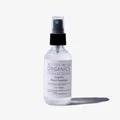
Another trend is refillable packaging, where consumers purchase a durable container once and then buy refills in compostable pouches or at in-store refill stations. This approach reduces single-use plastic and encourages a circular economy. In the realm of personal care, we see products like hand cleansers and lotions offered in refillable glass bottles. For example, the Butter Me Up Organics Organic Hand Cleanser – Package Free is available in a package-free format, allowing customers to reuse their own containers. Similarly, the Living Libations Radiant Love Lube – Package Free comes in minimal packaging, demonstrating that even intimate care products can be plastic-free.
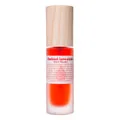
Living Libations Radiant Love Lube – Package Free
- Consider solid shampoo bars, conditioner bars, and body wash bars to eliminate plastic bottles.
- Seek out brands that offer refill options or package-free products like those from Package Free Shop.
The Role of Consumer Choice in Driving Change
As consumers, our purchasing decisions have a powerful impact. By choosing products with plastic-free packaging, we signal to brands that sustainability matters. This demand encourages more companies to adopt eco-friendly practices. Supporting brands that prioritize the environment, such as those offering package-free options, helps accelerate the transition towards a zero waste economy.
However, it's also important to consider the entire product lifecycle. A product might have plastic-free packaging, but if it contains harmful chemicals or is shipped across the globe, its overall environmental impact may still be high. Therefore, it's crucial to look at the bigger picture: ingredient sourcing, manufacturing processes, and distribution. By being mindful consumers, we can support truly sustainable practices and inspire others to do the same.
- Read labels and research brands to ensure their packaging claims are credible.
- Opt for products that are concentrated or solid to reduce packaging weight and volume.
How to Transition to a Plastic-Free Personal Care Routine
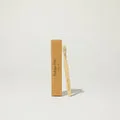
Transitioning to plastic-free personal care doesn't have to be overwhelming. Start by identifying the most common plastic items in your routine, such as shampoo bottles, body wash containers, and toothpaste tubes. Then, seek out alternatives that align with your needs. For example, switch to a bamboo toothbrush like the Package Free Sustainable Eco-Friendly Bamboo Adult Toothbrush or the Package Free Sustainable Eco-Friendly Bamboo Child Toothbrush for kids. These brushes have biodegradable handles and are just as effective as plastic ones.
Another easy swap is replacing liquid hand soap with bar soap or a package-free hand cleanser. The Butter Me Up Organics Organic Hand Cleanser – Package Free is a great option. Additionally, consider using reusable accessories like the Ecobags String Market Bag – Package Free for shopping and storing your personal care items without plastic. By making gradual changes, you can build a routine that is both sustainable and practical.
- Start with one product at a time to avoid feeling overwhelmed.
- Invest in reusable containers for storage and travel.
The Future of Sustainable Packaging in Personal Care
The future looks promising as technology and consumer demand drive innovation. We can expect to see more biodegradable materials, advanced recycling methods, and circular business models. For instance, some companies are experimenting with seaweed-based packaging and edible films. Additionally, there is a growing trend towards 'package-free' stores where customers bring their own containers. This model eliminates packaging waste entirely and fosters a community of conscious consumers.
As we move forward, it's essential to stay informed about green packaging trends and support legislation that promotes sustainable practices. By doing so, we can encourage the industry to prioritize the planet alongside profit. The importance of plastic-free personal care packaging cannot be overstated; it is a crucial step towards a healthier environment and a more sustainable future.
- Watch for emerging materials like mushroom-based packaging and water-soluble films.
- Support policies that ban single-use plastics and incentivize sustainable packaging.
Plastic-free packaging in personal care is not just a passing trend—it's a necessary shift to protect our planet. By understanding the environmental impact and making conscious choices, we can drive positive change. Start by exploring package-free alternatives like the Butter Me Up Organics Organic Hand Cleanser – Package Free, and embrace a routine that aligns with your values. Every small step counts towards a cleaner, greener future.