Quick Answer
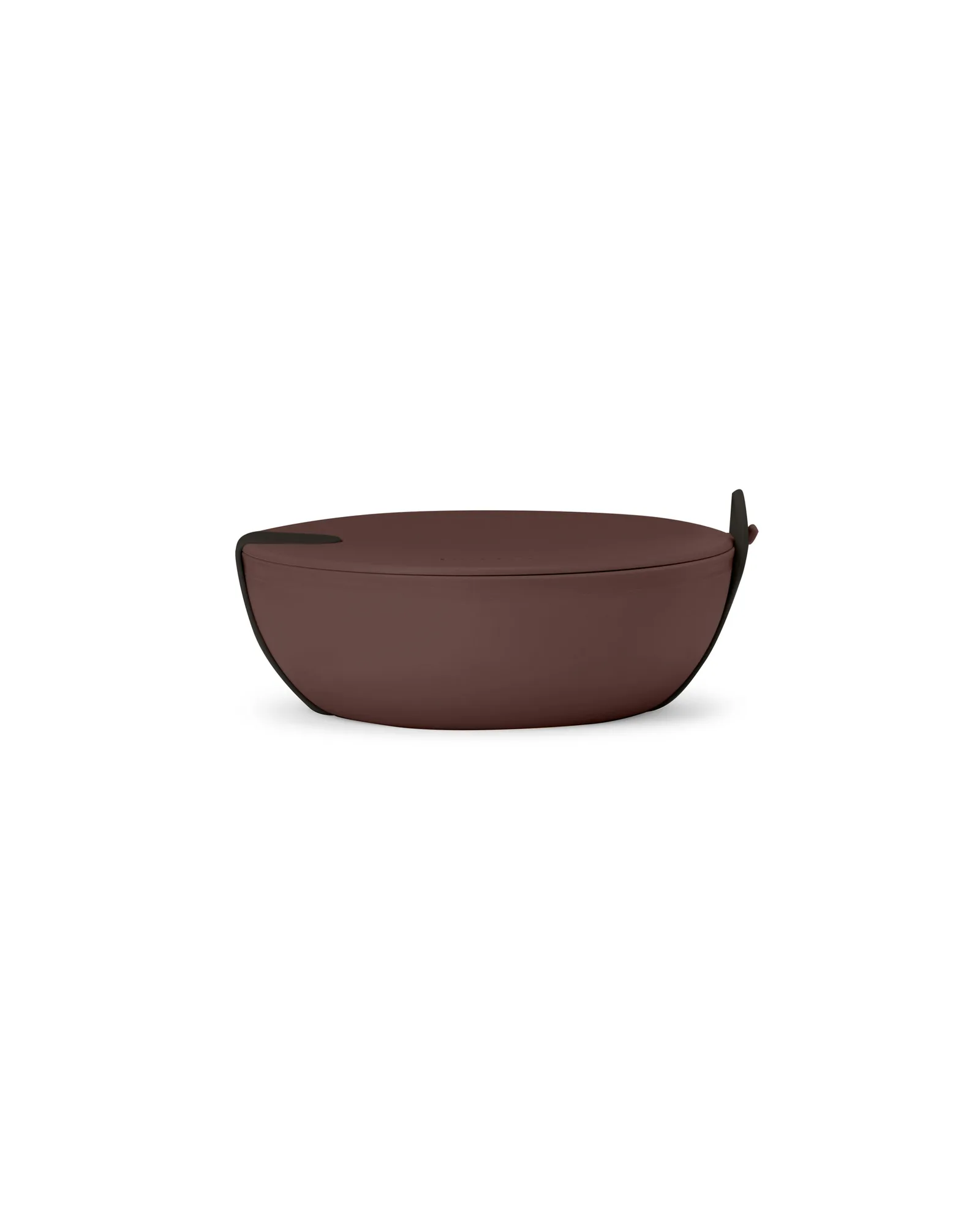
For reheating food, ceramic lunch bowls are generally safer than plastic because they don't leach chemicals when heated and handle high temperatures better. However, plastic bowls are lighter and more portable, making them convenient for on-the-go meals. Choose ceramic for home or office reheating, and reserve plastic for cold meals or short-term storage.
Reheating leftovers is a daily ritual, but the bowl you choose can affect both your health and your meal's quality. Plastic lunch bowls are lightweight and convenient, yet heating them raises questions about chemical safety. Ceramic bowls offer a more traditional approach, but they come with their own considerations like weight and breakability.
This comparison focuses on the safety of reheating food in plastic versus ceramic lunch bowls. We'll examine health risks, microwave compatibility, durability, and practical tips to help you decide which bowl deserves a spot in your kitchen.
Health Risks: Plastic vs Ceramic
When you reheat food in plastic, there is a potential risk of chemicals like BPA or phthalates leaching into your meal, especially if the plastic isn't microwave-safe or becomes scratched. Even BPA-free plastics can release other compounds when heated, so it's essential to check labels and avoid high temperatures. Ceramic bowls, on the other hand, are made from natural materials and don't contain these chemicals, making them a safer choice for reheating.
Ceramic is also more stable when exposed to heat, so it won't warp or degrade like some plastics. However, not all ceramic is created equal—some glazes may contain lead, so it's wise to choose food-grade ceramic from reputable brands. For everyday reheating, ceramic minimizes the risk of chemical exposure and keeps your food tasting fresh.
- Always check that plastic is labeled microwave-safe before reheating.
- Avoid using scratched or old plastic bowls for hot foods.
- Opt for high-quality, food-safe ceramic to ensure no harmful glazes.
Microwave Performance and Convenience
Ceramic bowls distribute heat more evenly, reducing cold spots in your reheated meal. They also withstand higher temperatures without melting or releasing odors. Plastic bowls may heat unevenly and can become too hot to handle, requiring extra care. If you're reheating soups or saucy dishes, ceramic provides a more consistent result.
However, plastic bowls are lighter and less likely to break if dropped, making them ideal for packed lunches that travel to work or school. Ceramic bowls are heavier and fragile, so they're better suited for stationary use. Consider your daily routine: if you eat at your desk, a ceramic bowl is a safe upgrade; if you're always on the move, a sturdy plastic container might be more practical—just avoid reheating in it.
- Use a microwave-safe cover to prevent splatters when reheating in ceramic.
- If you must reheat in plastic, transfer the food to a ceramic or glass bowl first.
- Let ceramic bowls cool slightly before removing from the microwave to avoid burns.
Durability and Long-Term Use
Ceramic bowls are more resistant to scratches and stains, so they maintain their appearance and hygiene over time. Plastic can develop scratches that harbor bacteria and release microplastics into food. Investing in a good ceramic bowl means it will last for years with proper care, making it a more sustainable choice.
On the downside, ceramic can chip or crack if dropped, and it's not ideal for outdoor or travel use. Plastic is virtually indestructible in comparison, which is why many people choose it for kids' lunches or picnics. Weigh the trade-off: ceramic offers safety and longevity, while plastic offers portability and resilience.
- Hand-wash ceramic bowls to preserve the glaze and prevent cracking.
- Avoid using metal utensils in ceramic bowls to prevent scratches.
- Replace plastic bowls that show signs of wear or cloudiness.
Key Trade-Offs at a Glance
- Safety: Ceramic doesn't leach chemicals when heated, while plastic can release substances, especially if not microwave-safe. Choose ceramic for peace of mind.
- Portability: Plastic is lightweight and unbreakable, ideal for travel, but ceramic is heavier and fragile. Pick plastic for on-the-go, but avoid reheating in it.
- Durability: Ceramic resists scratches and stains but can chip; plastic may degrade over time and harbor bacteria. Invest in ceramic for long-term use.
Sustainable Alternatives from W&P
- https://wandpsl.shop/products/seal-tight-glass-bowl-set-260912Seal Tight Glass Bowl Set: A complete leakproof glass storage set with one 16 oz (2 cup) and one 24 oz (3 cup) bowl. Designed for meal prep, packing lunches, and storing leftovers, this versatile duo keeps food fresh, organized, and securely sealed wherever your day takes you. Glass is another safe reheating option, and this set provides leakproof lids for on-the-go convenience without plastic concerns.
- Bento Box: BYO lunch in a modular Bento Box — with a 4-cup capacity and dividers, your entree, snacks, and sides stay crisp and fresh. If you prefer plastic for portability, this Bento Box offers a modular design that keeps food separate, but it's best for cold meals to avoid reheating concerns.
Which Bowl Should You Choose?
Best for
- People who frequently reheat leftovers at home or in the office and prioritize safety
- Those looking for a durable, long-lasting bowl that won't stain or retain odors
Not for
- Frequent travelers or outdoor enthusiasts who need unbreakable, lightweight containers
- Those who prefer to pack cold lunches and don't need to reheat in the same bowl
When it comes to reheating food, ceramic lunch bowls are the safer, more sustainable choice, offering peace of mind and better performance. If portability is essential, use a plastic bowl for cold meals and transfer to ceramic or glass before heating. Consider adding a Seal Tight Glass Bowl Set to your kitchen for a leakproof, reheating-safe option that lasts.