Quick Answer
If you need ballistic protection and plan to carry heavy gear, a plate carrier like the Core Plate Carrier or HRT HRAC Adaptive Plate Carrier is the right choice. If you prioritize mobility, breathability, and lighter weight for reconnaissance or sustained patrols, a chest rig offers a more practical load-bearing solution. The decision hinges on your threat environment and mission duration.
HRT HRAC Adaptive Plate Carrier
When you’re building out your tactical loadout, the choice between a plate carrier and a chest rig is one of the most fundamental decisions you’ll make. Both systems carry your essential gear, but they serve different purposes and come with distinct trade-offs. Understanding those differences is key to choosing the right equipment for your role, whether you’re a law enforcement officer, a range shooter, or a prepper planning for emergencies.
This comparison breaks down the practical differences between plate carriers and chest rigs, focusing on protection, weight, modularity, and comfort. We’ll also look at two popular plate carriers—the Core Plate Carrier and the HRT HRAC Adaptive Plate Carrier—to illustrate what to look for in a carrier, and discuss when a chest rig might be a better fit.
What Is a Plate Carrier?
A plate carrier is a tactical vest designed to hold ballistic armor plates, typically in the front, back, and sometimes sides. It provides rifle-level protection when equipped with hard plates, making it essential for high-threat environments where you might face rifle fire or fragmentation. Plate carriers are also built to carry additional gear via MOLLE webbing, allowing you to attach pouches for magazines, medical supplies, and other mission-essential items.
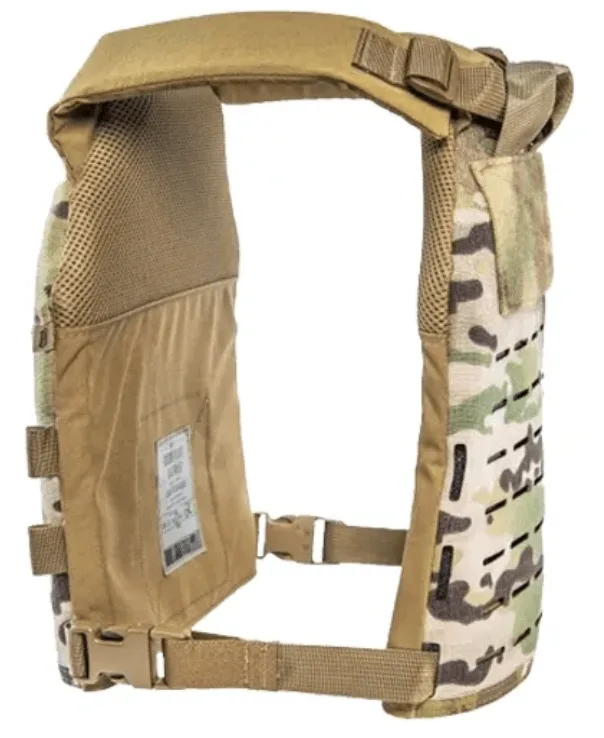
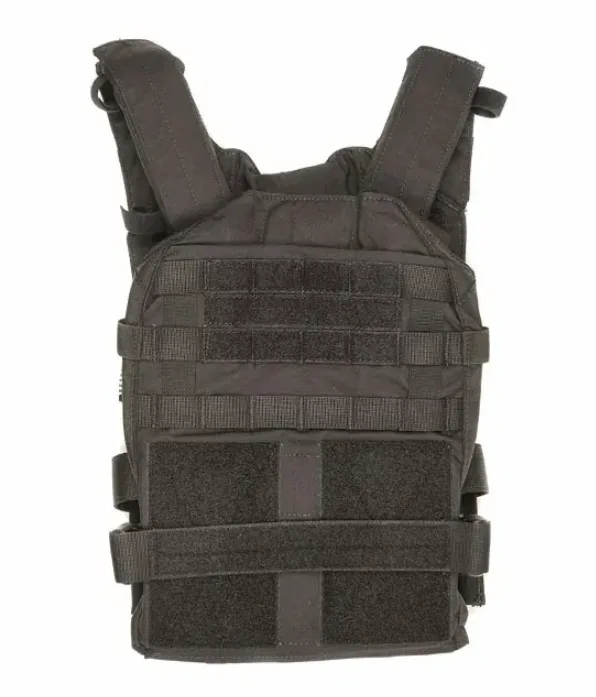
Plate carriers are inherently heavier than chest rigs because they must support the weight of armor plates and the gear you attach. However, modern designs focus on distributing that weight comfortably. For example, the Core Plate Carrier features padded shoulder straps and a spacer mesh interior for comfort and a low-profile fit, while the HRT HRAC Adaptive Plate Carrier uses 500 Denier Cordura with DuPont Teflon for durability and an integrated Duraflex buckle system for quick donning and doffing.
What Is a Chest Rig?
A chest rig is a load-bearing system that sits on your chest and typically attaches with straps around your back and shoulders. It is designed to carry ammunition, medical supplies, and other gear without the weight and bulk of armor plates. Chest rigs are lighter, more breathable, and allow greater freedom of movement, making them ideal for patrols, reconnaissance, and situations where speed and mobility are more important than ballistic protection.
Because they don’t hold plates, chest rigs are often used in conjunction with a separate armor carrier or by operators who expect to be in environments where rifle threats are low. They are also popular for training and range use, where you want to practice with your gear without the added weight of plates.
Key Differences: Protection, Weight, and Modularity
The most obvious difference is ballistic protection. A plate carrier with Level IV plates, such as the RMA Armament Level IV 6x6 side plates, can stop rifle rounds and protect vital organs. Chest rigs offer no ballistic protection on their own. If your mission involves a high likelihood of rifle fire, a plate carrier is non-negotiable.
Weight is another critical factor. A loaded plate carrier with plates, pouches, and gear can easily exceed 30 pounds, while a chest rig typically weighs less than half that. For long-duration operations or movements over rough terrain, the lighter weight of a chest rig reduces fatigue and improves endurance. However, the added weight of a plate carrier comes with the peace of mind of having armor.
Modularity is where both systems shine, but they differ in approach. Plate carriers offer extensive MOLLE webbing for attaching pouches and accessories, and they can be adapted with placards (like the HRT HRAC’s Duraflex buckle system) to quickly swap loadouts. Chest rigs also use MOLLE and often come with integrated magazine pouches, but they lack the real estate for heavy ancillary gear like side plates or hydration bladders. If you need to carry a lot of gear, a plate carrier provides more mounting options.
Comfort and Fit Considerations
Comfort is subjective and depends on your body type and the duration you’ll wear the system. Plate carriers distribute weight across your shoulders and torso, but they can trap heat and restrict airflow, especially in hot climates. The Core Plate Carrier’s spacer mesh interior helps with breathability, but it’s still more insulating than a chest rig.
Chest rigs are generally more comfortable for extended wear because they’re lighter and allow air to circulate. They also offer more freedom of arm movement, which is crucial for shooting or climbing. However, they can shift if not adjusted properly, and they don’t provide any back protection. When choosing between the two, consider your climate, mission duration, and the need for ballistic protection.
Trade-Offs at a Glance
- Protection vs. Mobility: Plate carriers offer rifle-level protection but add weight and restrict movement. Chest rigs keep you light and agile but leave you vulnerable to ballistic threats. Assess your threat level first. If rifle fire is likely, choose a plate carrier; if not, a chest rig may be sufficient.
- Weight vs. Load Capacity: A loaded plate carrier can weigh over 30 lbs, but it can carry more gear and distribute weight better. Chest rigs are lighter but have limited space for heavy items like side plates or large medical kits. For long patrols, lighter is better; for sustained operations with heavy gear, a plate carrier is more practical.
- Modularity vs. Simplicity: Plate carriers offer extensive MOLLE and placard systems for rapid reconfiguration. Chest rigs are simpler and often come with integrated pouches, but they’re less adaptable. If you need to adapt to different missions, a plate carrier with a placard system like the HRT HRAC is worth the extra cost.
Plate Carrier Options at Blaze Defense Systems
- Core Plate Carrier: The Core Plate Carrier is a ruggedly-designed, affordable plate carrier built for law enforcement or range/training use. With padded shoulder straps and spacer mesh interior, the Core is comfortable and low profile. Despite its streamlined design, it remains versatile, sporting adjustability, comfort, plenty of laser-cut MOLLE for scalability, and more. If you’re looking for a budget-friendly plate carrier that doesn’t sacrifice comfort or scalability, the Core is an excellent entry point. Its laser-cut MOLLE allows you to build out your loadout without breaking the bank.
- HRT HRAC Adaptive Plate Carrier: The HRT HRAC is a no-nonsense plate carrier that is designed to be extremely modular. This base model is easy to don and doff. The carrier is made from 500 Denier Cordura treated with DuPont Teflon and has attachment points for an integrated Duraflex Buckle attachment system (Included with all HRT Placards) on the chest to instantly don/doff additional equipment based on your operational needs. For users who need to switch between mission profiles quickly, the HRT HRAC’s placard system lets you change your front setup in seconds. The durable Cordura construction ensures it will hold up to hard use.
How to Choose
Best for
- Operators facing high-threat environments where rifle protection is essential, such as law enforcement tactical teams or military personnel.
- Users who need to carry a wide array of gear and want the flexibility to reconfigure their loadout quickly.
Not for
- Long-range reconnaissance or patrols where speed and endurance are critical and rifle threats are minimal.
- Hot climates or extended wear where breathability and weight are major concerns.
Ultimately, the choice between a plate carrier and a chest rig comes down to your mission, threat level, and personal preference. If you need ballistic protection and the ability to carry heavy gear, a plate carrier from Blaze Defense Systems like the Core or HRT HRAC is a solid investment. If mobility and lightweight are your priorities, a chest rig might be the better path. Evaluate your needs honestly, and you’ll make the right call.