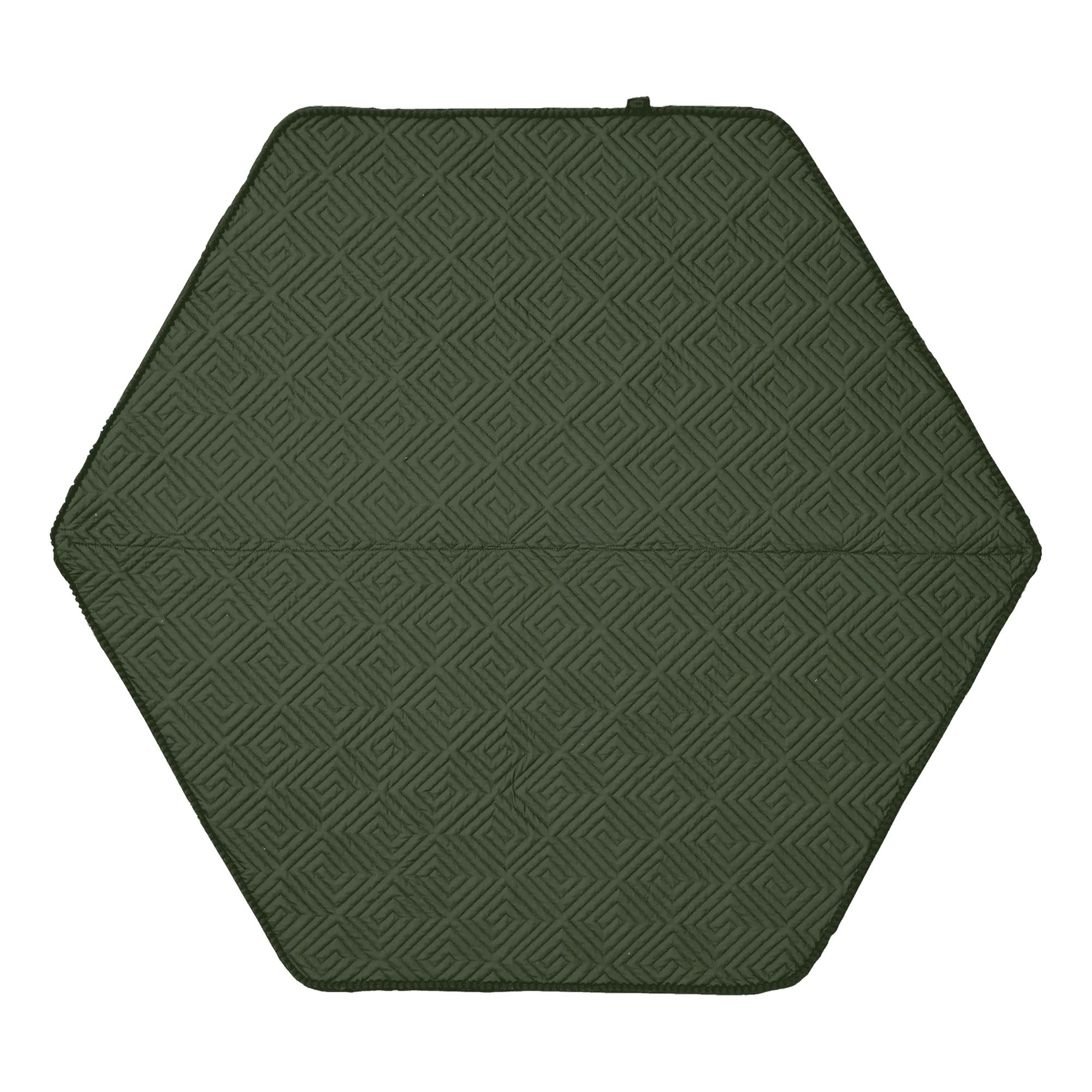
Quick answer
A safe play mat for baby is a mat that stays flat, matches your floor, and sits in a zone you can see the whole time. Set it on a firm, level surface away from cords, furniture edges, and pets, then wipe it down before and after floor play. If the mat slides, curls, or traps crumbs in a seam, stop using it on that floor until you fix the surface or switch mats.
Match the mat to the floor before you set it down
Most play mat problems start with the floor, not the mat. Carpet grips a mat well but can make it feel soft and uneven under a baby learning to roll or sit. Hard floors are easier to keep clean but let a lightweight mat slide when a toddler pushes off it. Before you buy or unroll anything, kneel on the spot where the mat will go and press a palm down. If the surface gives way or the mat shifts, that spot needs a different setup.
- Carpet: check that the mat does not bunch when your baby pushes up on hands and knees.
- Hard floor: look for a mat with enough weight or texture to stay put during rolling.
- Rugs with curled corners: flatten the rug first, or the mat will never sit level.
Clear the zone, then keep it clear
A floor play space for infants only works if the area around the mat is as safe as the mat itself. Move phone chargers, lamp cords, and monitor cables out of arm's reach, because a rolling baby can cover ground faster than you expect. Keep the mat at least a few feet from stairways, fireplace hearths, and furniture with hard edges. If you have pets or older children, treat the mat as a no-walk zone during floor time rather than training everyone to step around it.
- Sweep or vacuum the surrounding floor before you place the mat.
- Leave a clear crawl-on and crawl-off edge so your baby is not boxed in by toys.
- Store small toys and loose blankets off the mat when playtime ends.
Watch for the warning signs of an unsafe setup
You do not need special equipment to spot a bad play mat setup. A mat that wrinkles under your baby's knees, slides when you nudge it with a foot, or has a lifted edge is a tripping and face-plant risk. A mat that smells strongly right out of the package, or that leaves a residue on a damp cloth, deserves a closer look before daily use. If a seam opens or the surface tears, stop using that side until you can repair or replace the mat.
- Sliding: test by pushing the mat with your foot while standing on the floor beside it.
- Curling edges: flip the mat or weight the corners; if it still curls, it is not the right mat for that room.
- Strong odor or residue: air it out and check the care instructions before putting your baby on it.
A cleaning routine that actually keeps up
Play mat cleaning and care is less about deep cleaning and more about frequency. Wipe the surface with a damp cloth after floor time, especially if your baby is drooling or teething, and wash according to the mat's care instructions when spills or diaper leaks happen. Avoid soaking a mat that is not meant to be submerged, and let it dry completely flat before folding or storing it. A mat that goes away damp can grow mildew in the fold, which is a smell you will notice the next time you unroll it.
- Wipe before and after use during cold and flu season or when other children share the space.
- Check the care tag before using any cleaner; some surfaces only need water.
- Dry flat, then fold; never store a damp mat in a closed bin.
When to choose a different mat or a different spot
Some problems are not fixable with a wipe or a repositioned corner. If your baby is rolling or crawling and the mat keeps sliding on your hard floors, a mat with more grip or a different room may be the better answer. If your play area doubles as a walkway for the rest of the household, a dedicated mat that folds flat and stores out of the way will get used more than one that stays out and becomes a tripping hazard. And if your baby is actively trying to climb off the mat toward stairs or furniture, the mat is no longer the main safety feature. The room itself needs a gate, a playpen, or a closed door.
- Choose a different mat if sliding, curling, or tearing keeps happening after basic fixes.
- Choose a different room if the current spot cannot be gated or cleared.
- Choose a playpen or gate if your baby is mobile and the room cannot be fully childproofed.
Play mat safety diagnosis: symptom, cause, fix
- Mat slides when baby pushes off: The mat is too light or too smooth for the floor beneath it. Move it to carpet, add a nonslip rug pad underneath, or switch to a mat with more grip. If it still slides after one fix, that mat and floor are a bad match.
- Edges curl up and will not lie flat: The mat was stored folded too long or the room is too cold for the material to relax. Unroll it and let it sit flat in a warm room for a few hours before use. If the curl returns every time you unroll it, choose a different mat.
- Strong smell or sticky residue: New mats can off-gas, and some cleaners leave a film. Air the mat out in a well-ventilated room and wipe with water only, following the care instructions. If the smell or film persists after airing and a water wipe, do not use that mat for daily floor play.
- Crumbs, pet hair, or dampness in the fold: The mat is being stored before it is fully dry or without a wipe-down. Wipe after each use, dry flat completely, then fold and store. If mildew smell appears in the fold, the mat needs a full wash per its care tag or replacement.
Play mat and carrier options that fit floor play
- Play Mat: A dedicated play area from infanthood through toddlerhood with one-handed setup that folds flat to store, plus an easy-wash construction. One-handed setup and flat folding make it easier to put the mat down and pick it up during the day, and easy-wash construction supports the wipe-and-dry routine that keeps a floor play space hygienic.
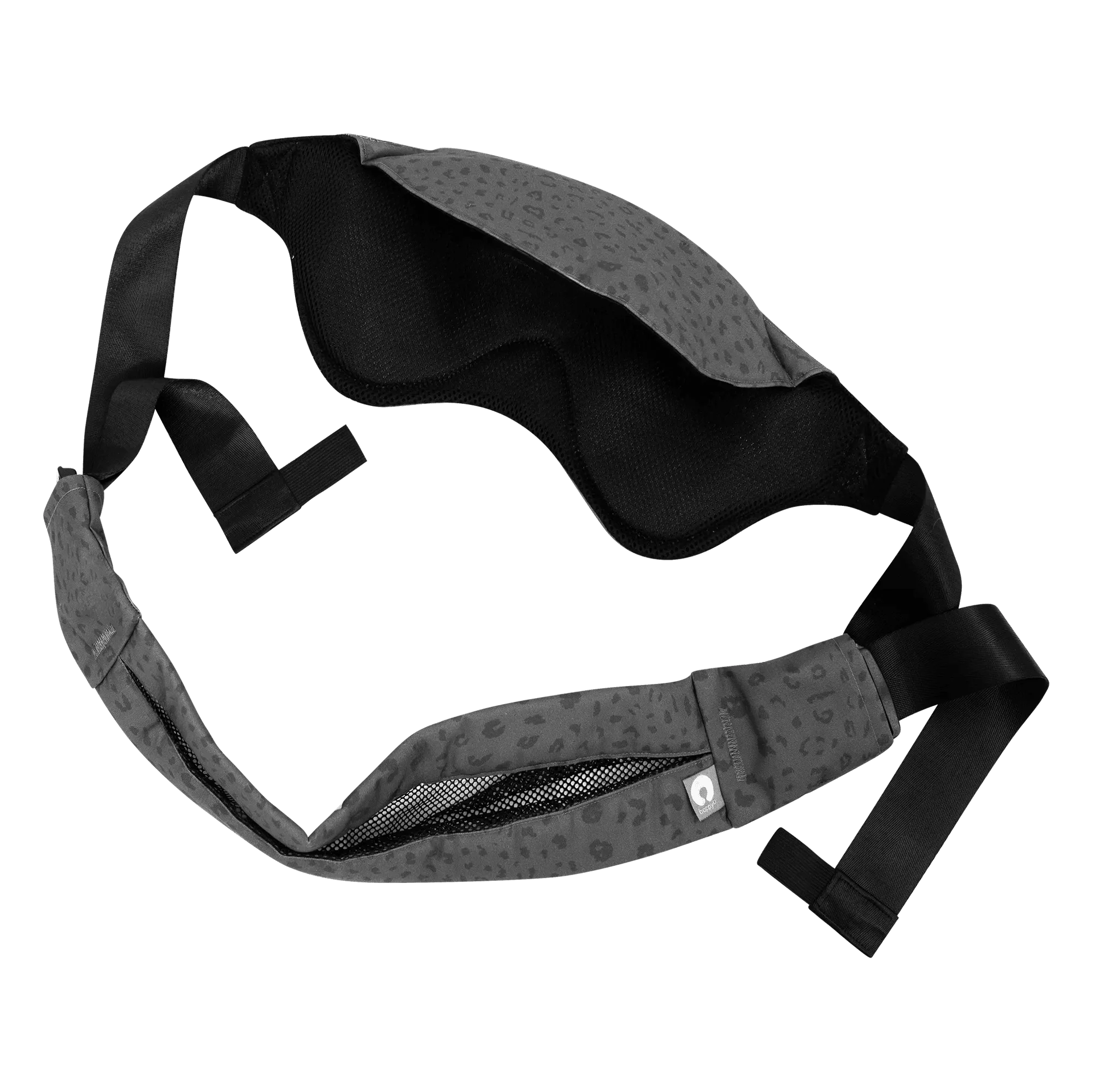
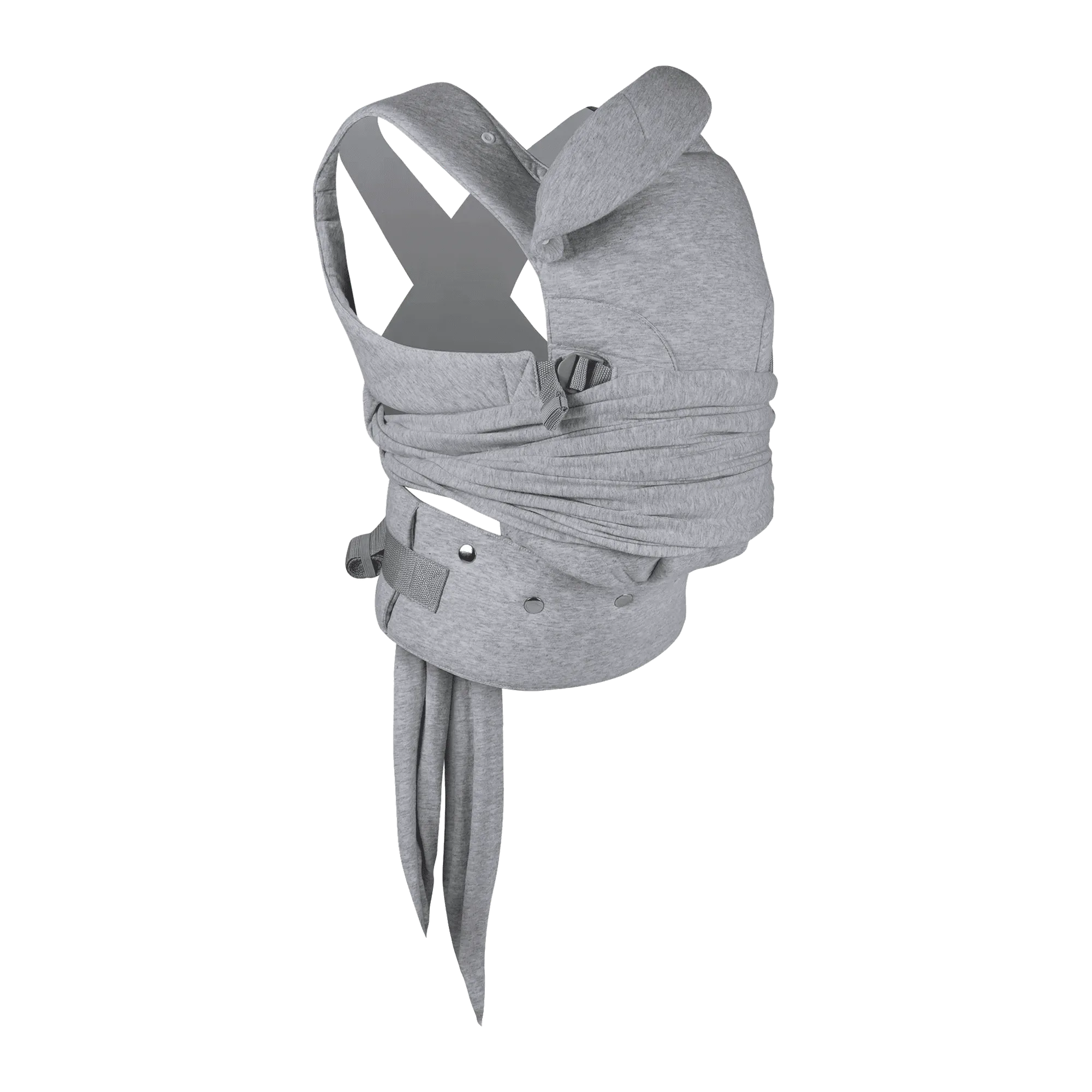
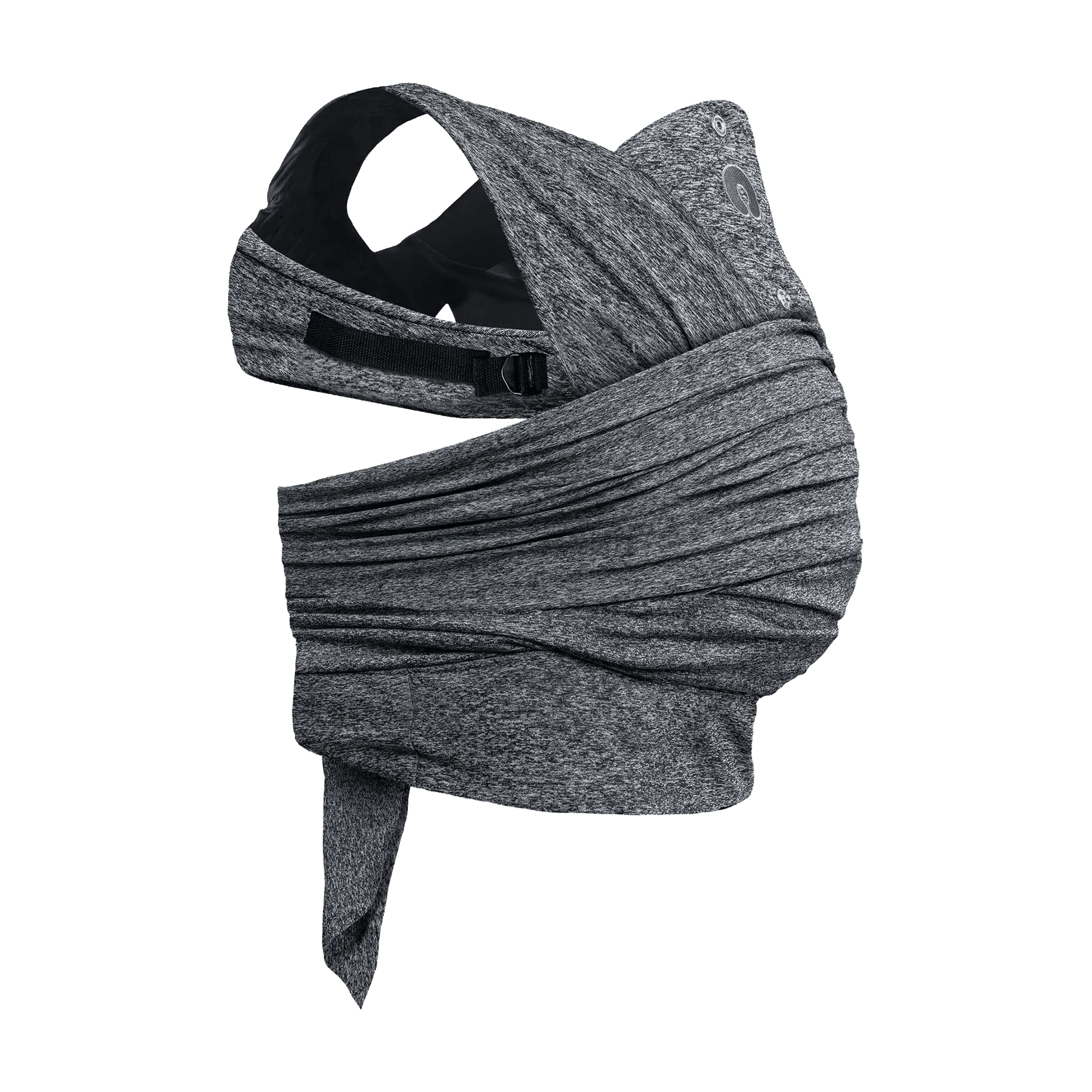
- ComfyGrow Hybrid Baby Carrier: From newborn to toddler (7-35lbs) with three carrying positions, three seat positions, and multiple head support adjustments. A carrier that adjusts across positions lets you keep your baby close while you clear the floor or set up the play mat, instead of leaving them on an unsafe surface.