Two different kinds of first play space
The Play Tent and The Play Kit both give toddlers a space of their own, but they serve different play needs. The Play Tent is a canvas and beechwood hideaway for imaginative adventures. The Play Kit is a table and two chairs sized for creating, learning, snacking, and socializing. Neither is a better first purchase in general; the right choice depends on whether your child is drawn to enclosed pretend play or seated activities.
This comparison sticks to what the catalog confirms. Where a detail is not supplied, such as exact dimensions or care instructions, I note it as a decision limitation rather than guessing.
What each product actually is
-
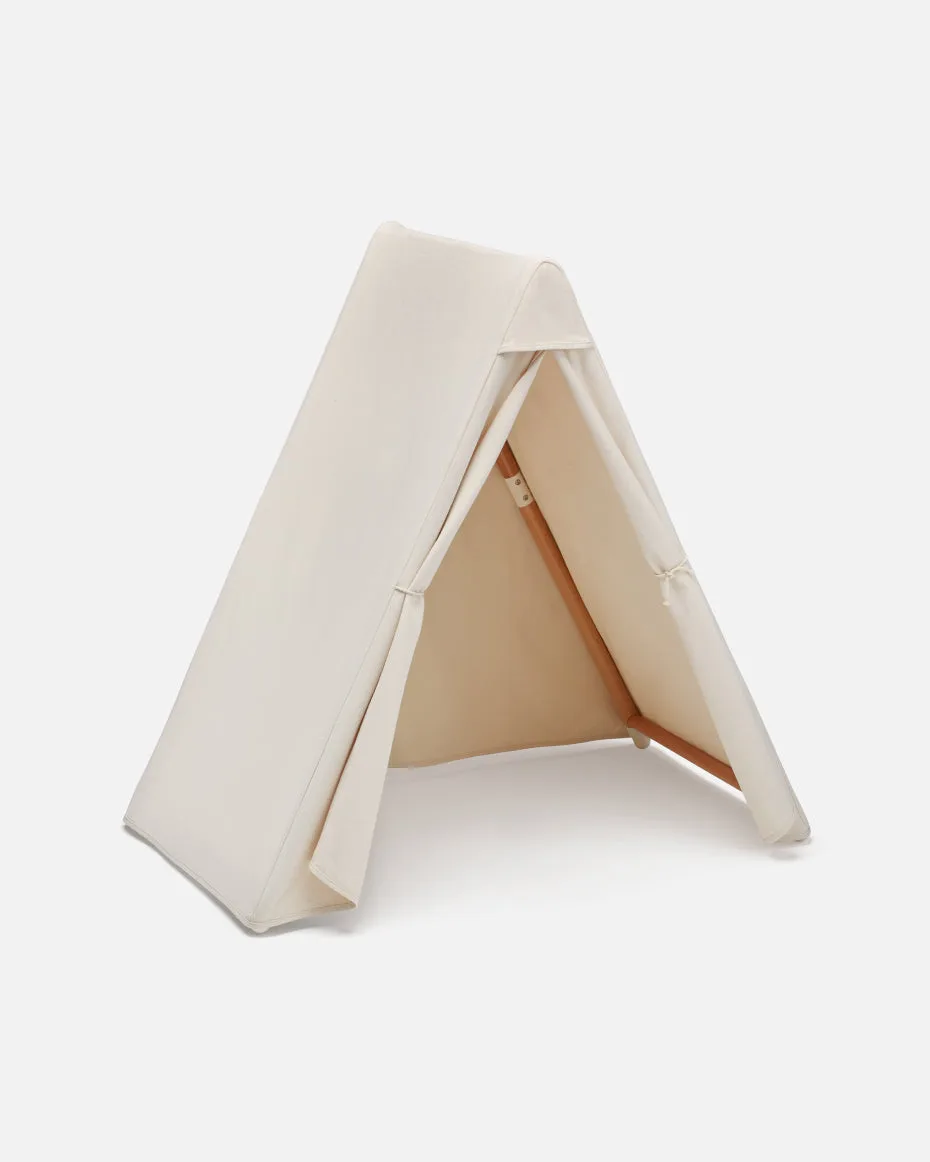
The Play Tent: The Play Tent is made from FSC Certified Beechwood and natural canvas, and the catalog describes it as easy to set up for endless adventures and imaginative play. These materials point to a structured, enclosed play space rather than a piece of furniture. The easy setup note matters if you want a play space that can move between rooms or come out for playtime and go away afterward.
The Play Tent
-
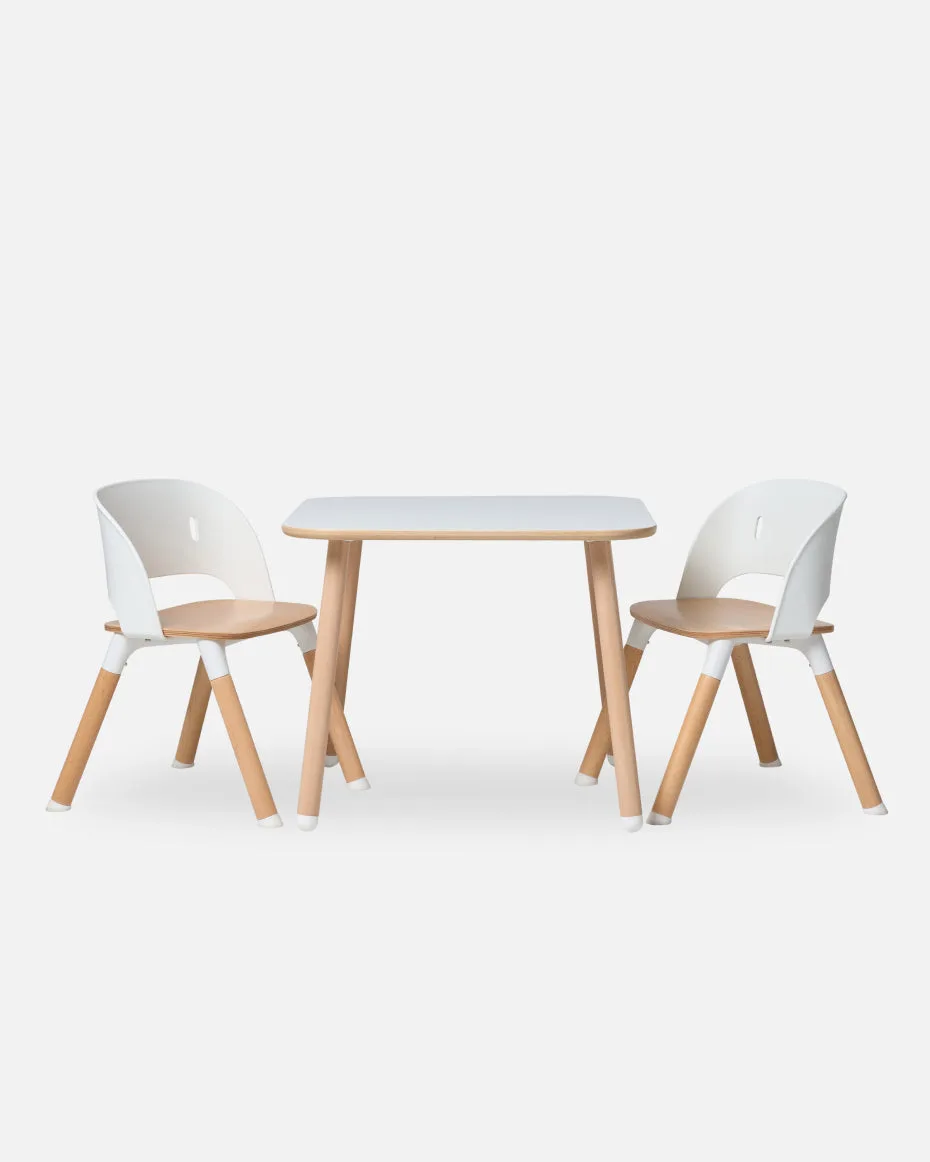
The Play Kit: The Play Kit includes a Play Table and two Play Chairs, sized perfectly for little ones to create, learn, snack, and socialize. It assembles in minutes. This is seated, social play furniture. The two chairs make it a shared space for siblings or a parent and child, and the quick assembly means you can set it up without a long project.
The Play Kit
How the two play spaces compare on the things that matter
Use this side-by-side to match each option to your child's play style and your room.
- Play style: The Play Tent supports enclosed, imaginative adventures. The Play Kit supports seated activities like creating, learning, snacking, and socializing.
- Materials: The Play Tent uses FSC Certified Beechwood and natural canvas. The catalog does not list materials for The Play Kit, so I cannot compare them on that point.
- Setup: The Play Tent is described as easy to set up. The Play Kit assembles in minutes. Both suggest quick setup, but the catalog does not give step-by-step instructions for either.
- Footprint and dimensions: The supplied records do not include dimensions for either product. Measure your intended spot and check the product pages before ordering if floor space is tight.
- Color options: The Play Tent is available in Natural. The Play Kit comes in six colors: Coconut, Sage, Slate, Rose, Biscotti, and Licorice.
- Care and safety details: The supplied information does not confirm care instructions, weight limits, or safety ratings for either product. Treat those as open questions to verify with the manufacturer before purchase.
When The Play Tent is the better first play space
Choose The Play Tent first if your toddler is drawn to hiding, peekaboo, storytelling, and pretend adventures. The enclosed canvas shape gives them a defined little world, and the beechwood frame and natural canvas look at home in a living room or playroom. Because it is described as easy to set up, it can be a play space that comes out for a session and then gets put away, which helps in smaller homes.
One honest tradeoff: the catalog does not supply dimensions, so you cannot confirm ceiling clearance or floor footprint from the record alone. It also does not confirm outdoor suitability or weather resistance, so treat it as an indoor play tent for toddlers unless the manufacturer says otherwise.
When The Play Kit is the better first play space
Choose The Play Kit first if your toddler is more likely to sit and do: drawing, puzzles, pretend snacks, or playing alongside a sibling. The table and two chairs create a dedicated spot for those activities, and the six color options make it easier to match your room. Assembly in minutes is a real advantage if you want the space ready without a weekend project.
The tradeoff is that it is furniture, not a hideaway. If your child craves enclosed pretend play, a table and chairs will not satisfy that. The catalog also does not list materials or dimensions for The Play Kit, so check those details on the product page if they matter to you.
A simple way to decide
Answer these three questions in order. The first one that gets a clear answer usually settles it.
- Does your child hide, drape, and pretend?: If yes, The Play Tent matches that play style. If your child mostly sits to draw or snack, lean toward The Play Kit.
- Do you need a shared space for two?: The Play Kit includes two chairs, so it is built for a pair. The Play Tent is a solo hideaway by design.
- How much floor space can you give up?: The catalog does not provide dimensions for either product. Measure your room and confirm the footprint on the product page before you commit.
What the supplied information does not tell you
The records I have do not include dimensions, weight limits, care instructions, safety certifications, or age recommendations for either product. That is a gap in the supplied evidence, not a sign that the products lack these features. Before buying, check the product pages or contact the manufacturer for the details that matter most to your family, especially if you plan to use either item daily or with more than one child.
If you are weighing other toddler play space ideas, the same rule applies: match the product to how your child actually plays, then verify the specifications you cannot live without.