Quick answer
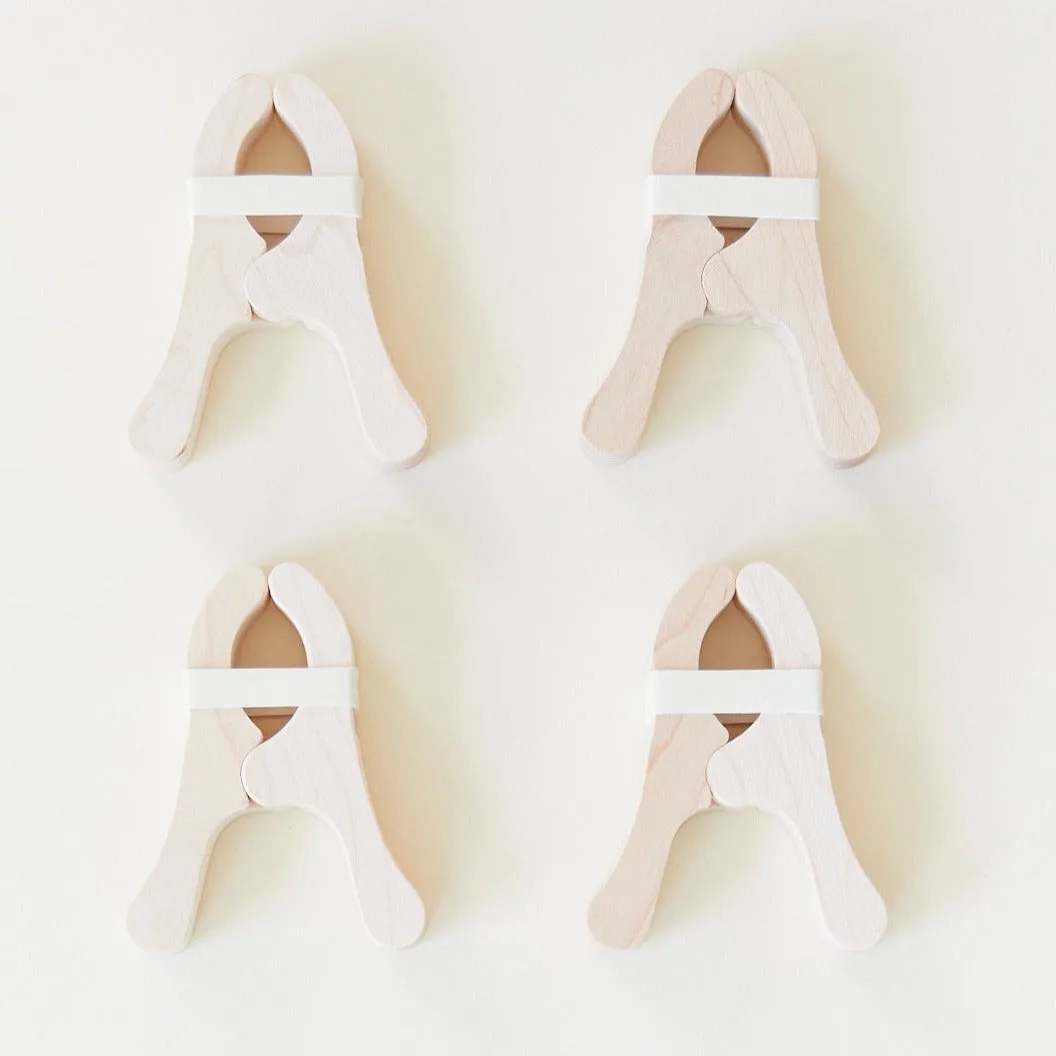
Buy enough Playclips to cover your display wall at roughly one clip per A4 or letter-size sheet, plus a few spares for heavier or layered art. Choose a single color for a calm, uniform wall, or a mix of colors when children need to find their own work fast. Add sturdy classroom clip holders or a wall-mounted locker system so clips stay organized between displays.
Start with the wall, not the clips
Measure the display area you actually have before choosing a clip count. A typical classroom display strip runs along one wall or a section of a corridor, and the number of clips you need is driven by how many sheets you want visible at once, not by how many clips come in a pack. If your display wall is a single line of work, count the sheets in a full rotation; if it is a grid, multiply rows by columns and add one extra column for swapping pieces in and out.
- One clip per sheet for flat paper, two clips for cardstock or painted work that curls.
- Leave one empty clip position per row so children can add a new piece without removing someone else's.
- If you rotate weekly, buy enough clips for two full rotations so a new display can go up while the old one comes down.
How many Playclips do I need for a class of 20?
For a class of 20 children, plan for 20 to 30 clips if each child displays one piece at a time, and 40 or more if you display two pieces per child or run a combined art and writing wall. The extra clips cover the pieces that are thicker, layered, or hung from a clip holder rather than pinned directly to the wall. If your display changes every week, a reserve of 10 to 15 clips keeps the wall full without a mid-week scramble.
- One piece per child: 20 to 25 clips.
- Two pieces per child: 40 to 45 clips.
- Shared art wall with mixed sizes: add 10 to 15 percent more clips than the sheet count.
Sizes and colors: match the clip to the job
Playclip sizes and colors matter more than they look. Smaller clips suit single sheets and tight spacing, while larger clips hold heavier cardstock, painted paper, or a small object like a photo card. Color is a practical choice as well as a visual one: a single neutral color keeps attention on the artwork, while a mix of colors helps children spot their own section of the wall during clean-up. If you are building a display wall from scratch, choose one color family first and add accent colors only for labeled sections or class groups.
- Small clips: single sheets, tight rows, and narrow display strips.
- Large clips: cardstock, painted work, and layered pieces.
- Neutral colors: calm, gallery-style walls.
- Bright or mixed colors: quick identification for children and visiting families.
Clip holders and storage between displays
Clips spend most of their life off the wall, so decide where they live before you buy. A wall-mounted locker or a labeled bin keeps clips sorted by size or color and stops them disappearing into a drawer. If your display wall doubles as a storage wall, an open shelf or a tiered display unit lets you keep clips, books, and supplies in the same zone without adding another piece of furniture. This is also where a classroom clip holder earns its place: it keeps the current rotation visible and the spare clips reachable.
- Label one container per clip size or color.
- Keep a small tray near the display wall for clips in active use.
- Store spare clips in a closed bin to reduce loss during clean-up.
Decision rules for buying Playclips
- Rule 1: Count sheets, then add a reserve: Count the maximum number of sheets you want visible at one time, then add 10 to 15 percent for heavier pieces and mid-week additions. If the number feels tight, buy the next size up in clip count rather than planning to reuse clips mid-display.
- Rule 2: Match clip size to paper weight: Use smaller clips for single flat sheets and larger clips for cardstock, painted work, or layered pieces. If you are unsure, size up rather than down. A clip that is too small will let heavier work curl or slip; a slightly larger clip is rarely a problem.
- Rule 3: Choose color for function, not decoration: Pick one neutral color for a uniform gallery wall, or mixed colors when children need to identify their own section quickly. Decide the color rule before you buy, because mixing two color systems later usually means buying a second set.
- Rule 4: Plan storage before the wall fills up: Decide where spare clips live, whether that is a labeled bin, a locker section, or a small tray near the display wall. Clips without a home are the ones that disappear; a labeled container is cheaper than replacing a set.
Storage and display pieces that support a clip wall
- EdQ Book and Bin Display: The EdQ Book and Bin Display has gently tiered shelves for storing and displaying children's favorite books and magazines, and can also hold special toys, stuffed animals, or supplies. A tiered display unit gives you a place to stage the next rotation of artwork or books while the clip wall is still full, so display changes do not stall.
- EdQ 5-Section Locker: The EdQ 5-Section Locker is made from easy-to-clean premium birch plywood and is available in white or natural finishes to coordinate with any space. Five labeled sections give you a natural home for clips sorted by size, color, or class group, which makes the clip wall faster to reset each week.
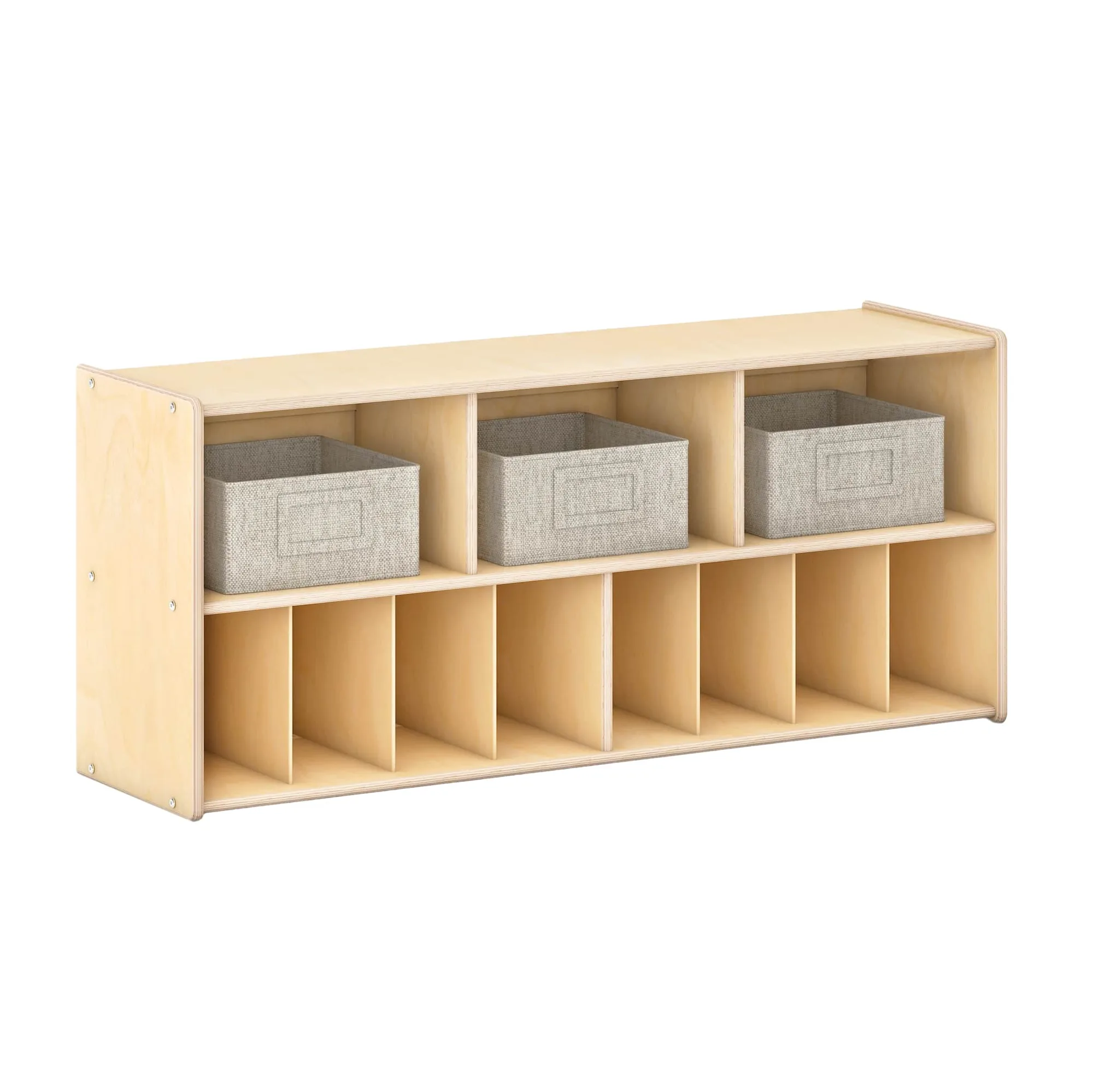
- EdQ 10-Section Wall Mounted Locker: The EdQ 10-Section Wall Mounted Locker is designed for spaces with limited floor space and is available in white or natural finishes. If your display wall is in a narrow room or corridor, a wall-mounted locker keeps clip storage off the floor while staying within reach of the display area.
Is a Playclip display wall right for your space?
Best for
- Classrooms and homeschool rooms that rotate children's artwork weekly
- Playrooms and home learning spaces with a dedicated display wall or strip
- Teachers who want a low-floor-space display system that children can help manage
Not for
- Spaces with no wall or display strip available, where a freestanding shelf or tiered display unit is a better fit
- Settings that need framed or permanently mounted artwork rather than a rotating display
- Buyers who want a single all-in-one furniture piece and are not prepared to plan clip storage separately