Quick answer
If you are just starting out, put most of your budget into decks you actually want, then add a small set of protection basics: a few sleeves, a rigid box, and a dry storage spot. Accessories are worth it when they prevent damage to decks you cannot easily replace, but they are not a substitute for buying cards you enjoy. For most new collectors, a 70/30 split between decks and accessories works well.
What you are actually comparing
Playing cards are the collectible: the deck itself carries the design, the print run, and the handling feel. Accessories are the support system: sleeves, deck boxes, cases, and storage that keep those cards in the condition you bought them in. The comparison is not about which one is better; it is about which one solves the problem you have right now.

Playing cards
A new collector usually has two problems at once: a small collection and no protection routine. Buying only decks leaves them stacked on a shelf where edges nick and humidity works slowly. Buying only accessories leaves you with empty sleeves and nothing to store. The practical move is to pair a few decks with a minimal protection kit, then expand whichever side you enjoy more.
Where accessories earn their cost
Accessories pay off when a deck is hard to replace or when you handle it often. A limited deck that sold out in a day benefits more from a sleeve and a rigid box than a common deck you can reorder anytime. If you riffle shuffle daily, sleeves also protect the corners and keep the deck playable longer.
The trade-off is that accessories add up quietly. Sleeves, boxes, and cases can cost as much as several decks, and they do not add anything to your collection. The honest test is simple: if losing the deck would bother you for more than a week, protect it. If not, spend the money on another deck instead.
Where cards earn their cost
Decks give you the thing you are collecting: artwork, handling, and the story behind a print run. They also hold value better than most accessories because they are the item other collectors want. A deck like the CC25 Official Deck, limited to 1,800 and made by USPCC, is the kind of release where the card itself is the point, not the sleeve around it.
The trade-off is that unprotected cards lose condition fast. A deck left loose in a bag will show white edges within weeks, and once the tuck is crushed, the resale and the display value both drop. So cards and accessories are not rivals; they are a pair, and the question is only how much of each you need.
How to split your first budget
A workable starting split is roughly 70 percent decks and 30 percent protection. That means if you have about $50, buy two or three decks you are excited about and one pack of sleeves plus a simple box. You do not need a case for every deck on day one; you need a habit of putting decks away after use.
As your collection grows, shift the ratio. Once you own more than ten decks, storage becomes the bottleneck, and a case or shelf system saves more value than another mid-range deck. If you mostly play rather than collect, sleeves matter more than display cases, because handling wear is your main risk.
Trade-offs to weigh before you buy
- Protection vs. more decks: Every dollar spent on sleeves and cases is a dollar not spent on a deck. Accessories protect value; decks create it. Protect only the decks you would hate to replace, and spend the rest on cards.
- Display vs. play: Display cases preserve condition but discourage handling. Sleeves allow play but show wear over time. Choose based on whether you want to look at the deck or use it.
- Limited vs. everyday decks: Limited runs like the CC25 deck justify protection; low-cost decks like Flexible Blue Gradient are better as practice stock. Match the level of protection to how hard the deck is to replace.
Decks that change the math
- CC25 Official Deck: CC25 Official Deck is a limited edition of 1,800 decks with thin crushed stock, Air-Cushion finish, and a letterpressed matte custom tuck case, made by USPCC. A low print run and a custom tuck make this a deck where protection matters more than average; a crushed tuck or worn edges is hard to replace, so sleeves and a rigid box are worth it.
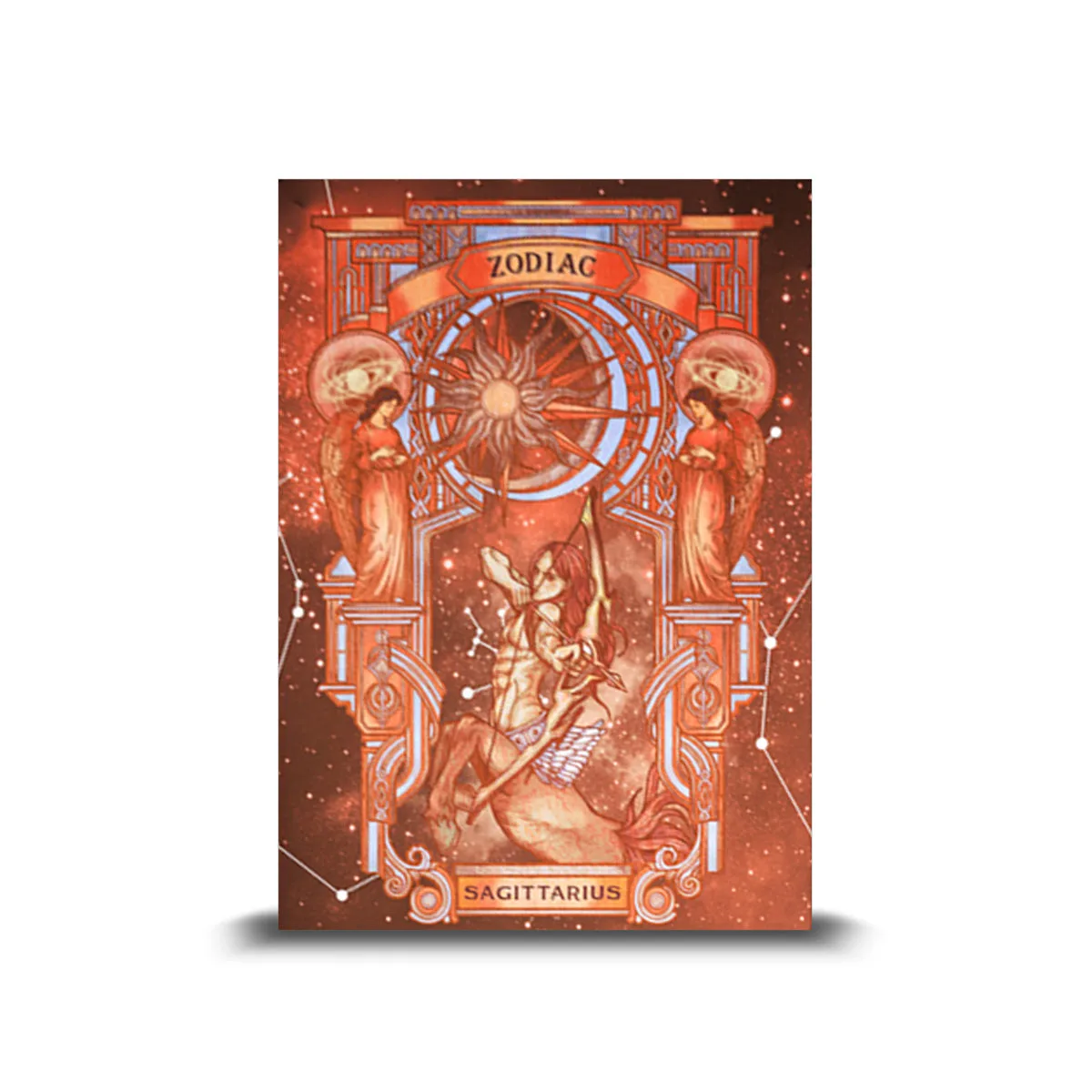
- Zodiac Capricorn Luminous Edition Playing Cards by TCC: Zodiac Capricorn Luminous Edition uses pearlescent paper on the tuck with a soft metallic sheen, and unlike later Zodiac decks it keeps its seal sticker to avoid waste. The pearlescent tuck is the display feature, so a case that avoids rubbing and direct sunlight preserves the look you paid for; the seal also means you decide whether to open it or keep it sealed.
- Flexible Blue Gradient Playing Cards by TCC: Flexible Blue Gradient Playing Cards are a low-cost deck with a minimal design and a light-to-dark gradient back. At this price, heavy protection is optional; buy it as a practice or everyday deck and save your sleeves and cases for the limited releases.
Who should buy what
Best for
- New collectors who want a small, protected start with two or three meaningful decks
- Players who handle cards daily and need sleeves to keep decks playable
- Collectors of limited or pearlescent-tuck decks who want to preserve display condition
Not for
- Buyers who only want cheap practice decks and do not care about long-term condition
- Collectors who already have a full storage and sleeve system and only need more decks
- Anyone expecting accessories to increase the value of a common, easily reordered deck