Quick answer
Choose the Plover ES -25 if you sleep cold or face serious winter conditions and want maximum warmth from 900+ fill power down. Choose the Arctic Finch ES -10 if you run warmer, want a lighter bag for three-season or moderate winter use, and prefer to save weight and cost.
Warmth ratings and fill power: what the numbers mean for you
The Plover ES -25 is rated to -25°F and uses 900+ fill power down, while the Arctic Finch ES -10 is rated to -10°F. That 15-degree difference is significant: the Plover is built for deep winter and high-altitude cold, while the Arctic Finch covers most winter camping and cold-weather mountaineering. Higher fill power in the Plover means more warmth for its weight, but it also comes at a higher price.
Fit differences: shoulders, chest, and foot box
Both bags are designed for women, with less volume at the shoulders and a wider cut through the chest and elbows. The Plover adds ample down in the foot box for extra warmth where women often feel cold. The Arctic Finch has increased overall fill to address lower sleeping temperatures. If you have wider shoulders or prefer extra room in the foot box, the Plover may feel more comfortable; the Arctic Finch offers a more streamlined fit for those who don't need the extra foot warmth.
Weight and packed size: the trade-off for warmth
The Plover's additional down and warmer rating likely make it heavier and bulkier than the Arctic Finch, though exact weights aren't listed here. If you're counting ounces for a long approach or a fast-and-light trip, the Arctic Finch is the more packable choice. For base camp or sled-supported trips where warmth matters more than weight, the Plover's extra insulation is worth the bulk.
Key trade-offs
- Warmth vs. weight: The Plover ES -25 is warmer but heavier and bulkier; the Arctic Finch ES -10 is lighter and more packable but less warm. Match the temperature rating to the coldest conditions you expect, not the warmest.
- Fill power and cost: The Plover uses 900+ fill power down, which typically costs more but provides more warmth per ounce. The Arctic Finch uses a lower fill power (not specified) and is less expensive. If budget is tight and you don't need extreme warmth, the Arctic Finch is the better value.
- Fit and foot warmth: The Plover has extra down in the foot box for cold feet; the Arctic Finch has a women's-specific fit with increased overall fill but no extra foot box emphasis. If your feet get cold easily, prioritize the Plover's foot box design.
Product facts
-
Arctic Finch ES -10 Women's Sleeping Bag: Rated to -10°F with increased overall fill for women's lower sleeping temperatures. It's a solid choice for winter camping and mountaineering where temperatures rarely drop below -10°F, and it saves weight over a warmer bag.
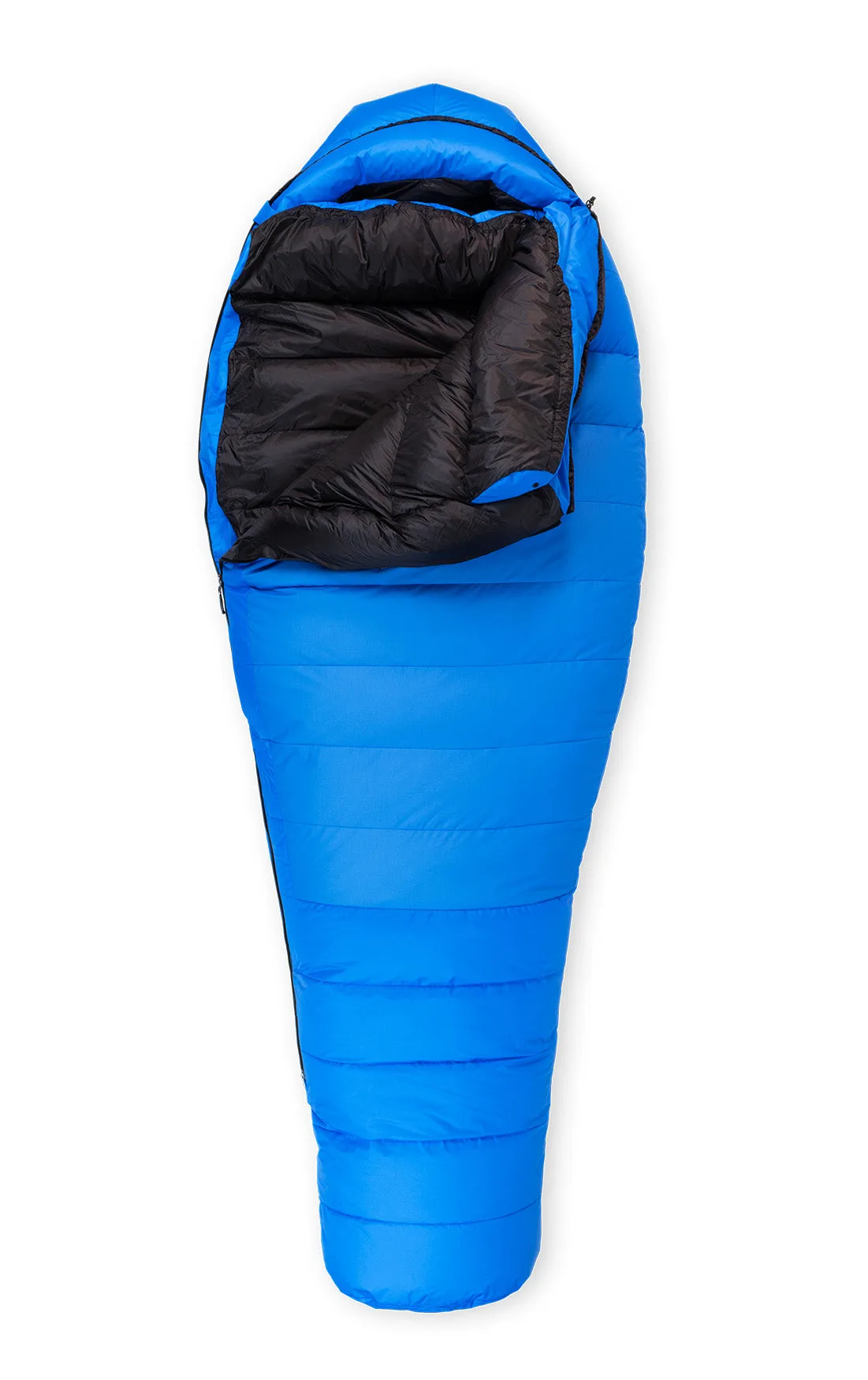
Arctic Finch ES -10 Women's Sleeping Bag
-
Plover ES -25 Women's Sleeping Bag: Rated to -25°F with 900+ fill power down and ample down in the foot box. It provides extra warmth for cold sleepers and harsh winter conditions, especially for cold feet, without excessive bulk for its temperature rating.
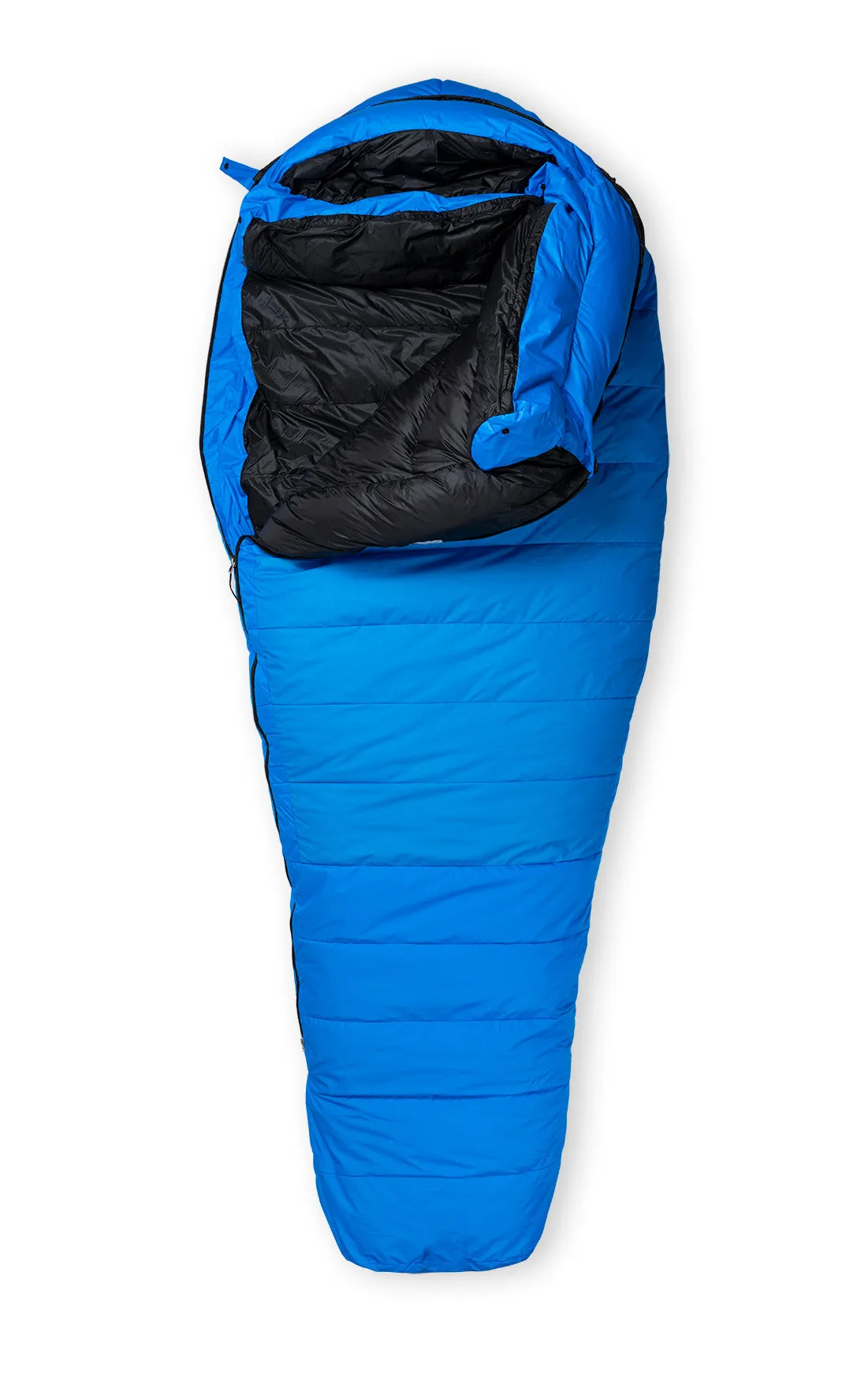
Plover ES -25 Women's Sleeping Bag
Who should choose which
Best for
- The Plover ES -25: cold sleepers, winter mountaineers, and those facing temperatures below -10°F.
- The Arctic Finch ES -10: three-season campers, winter campers who sleep warm, and those counting ounces.
Not for
- The Plover ES -25: summer or mild-weather trips where its warmth is overkill.
- The Arctic Finch ES -10: extreme cold or those who consistently sleep cold in winter.