Quick Answer
For deep V-necklines, a plunge bra like Rina is your best bet; for a lighter, more breathable feel under lower-cut tops, a soft balconette bralette like Pryma offers modern comfort.
Plunge vs Balconette: What’s the Real Difference?
The main difference lies in the center gore (the bridge between cups). A plunge bra has a low bridge that sits much lower on the sternum, letting you wear tops with deep necklines without the bra showing. A soft balconette typically has a slightly higher or more structured gore, offering more coverage and a rounded shape, but it may peek out from very low-cut tops.
Another key factor is support. Plunge bras often use underwire and firm materials to lift from the sides, while soft balconettes (especially bralettes) rely on lighter construction and stretchy fabrics. This makes balconettes more comfortable for all-day wear but less supportive for larger busts.
Comfort vs. Coverage: Which Matters More?
If you prioritize comfort and a barely-there feel, a soft balconette bralette is hard to beat. Its light construction and flexible materials move with you, making it ideal for long days or casual outfits. However, if you need reliable support and a smooth silhouette under a fitted low-cut top, a plunge bra with underwire and structured cups will give you more lift and shape.
Think about the occasion: a plunge bra excels for evening wear or tops that demand a clean, lifted profile. A soft balconette is perfect for daytime looks where breathability and ease matter more than maximum lift.
Fabric and Style: How They Affect Your Look
Plunge bras often feature decorative fabrics like embroidery or microfiber that add texture while providing structure. The Rina plunge, for example, combines geometric embroidery with stretchy microfiber sides, offering both style and support. On the other hand, soft balconettes like the Pryma bralette use delicate tulle with playful prints, giving a more relaxed, fashion-forward vibe.
Your choice also affects how the bra looks under clothing. A plunge bra’s low gore is designed to disappear under deep necklines, while a balconette’s higher cut can create a subtle line under very low tops. Consider the neckline of your outfit to ensure the bra stays hidden.
Trade-Offs to Consider
- Support vs. Lightness: Choose a plunge bra for firmer support and shape; choose a soft balconette bralette for a lighter, more breathable feel.
- Coverage vs. Invisibility: If your top has a very deep V-neck, a plunge bra’s low gore is less likely to show; a balconette may peek out. Measure the depth of your neckline before deciding.
- Style vs. Function: A plunge bra offers a polished, lifted look; a bralette brings playful prints and a relaxed aesthetic.
Product Facts
-
Biustonosz Rina czarny B162 Soft Plunge: The Rina plunge bra features a low bridge, two cup cuts (one vertical, one diagonal), and a lack of side boning. This design keeps the bra invisible under deep necklines while providing lift and shape without side discomfort.
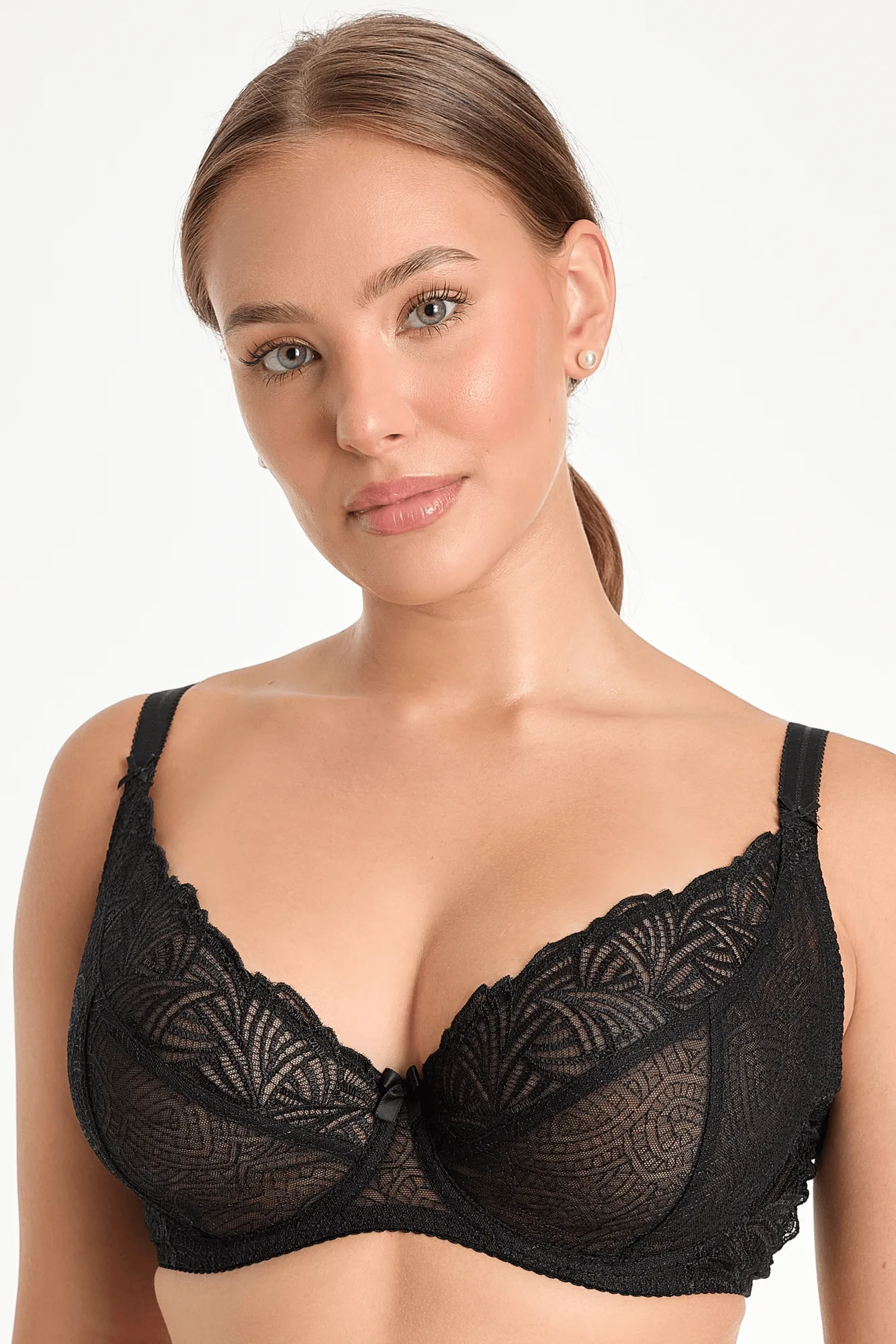
Biustonosz Rina czarny B162 Soft Plunge
-
Biustonosz braletka Pryma B802 - zwierzęcy wzór: The Pryma bralette is a soft bra with underwire, a low bridge, and a delicate tulle fabric with a leopard print. It offers a light, modern feel with subtle support, making it a stylish choice for low-cut tops when you prefer less structure.
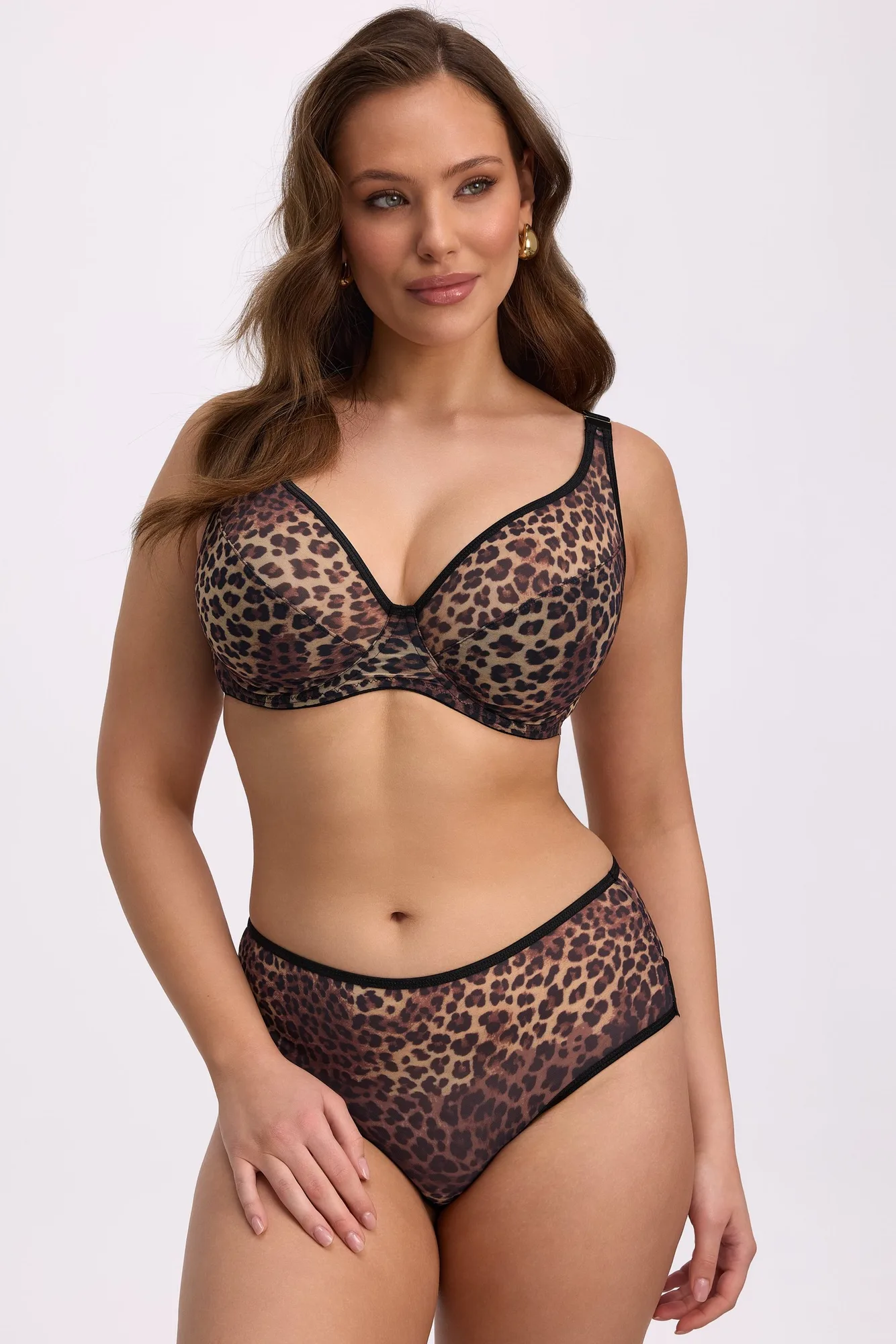
Biustonosz braletka Pryma B802 - zwierzęcy wzór
Which One Should You Choose?
Best for
- Deep V-neck tops and evening wear that demand a hidden, supportive bra
- Those who prefer underwire and structured lift for a smooth silhouette
Not for
- All-day casual wear where maximum breathability and minimal structure are priorities
- Tops with moderate necklines where a balconette’s coverage is more comfortable