When it comes to restraints, the choice between hinge and chain styles is more than a matter of preference—it affects control, comfort, and even safety during transport. ASP’s Plus Cuffs line offers both options, and understanding the differences can help you make an informed decision for your duty gear or training setup.
In this buying guide, we’ll break down the pros and cons of Plus Cuffs hinge vs chain, explore how they pair with other ASP gear like batons and scabbards, and offer practical tips to help you choose the right restraint for your specific needs.
Understanding Plus Cuffs Hinge and Chain
ASP Plus Cuffs are known for their durability, smooth action, and ergonomic design. The primary difference between hinge and chain styles lies in how the two cuffs are connected. Hinge cuffs have a rigid, fixed connection that keeps the cuffs aligned in a straight line, while chain cuffs use a short chain that allows more flexibility and movement between the cuffs.
Both styles are designed to secure a subject’s wrists, but the mechanics affect how the cuffs feel during application and transport. Hinge cuffs are often preferred for their compactness and reduced movement, making them easier to control. Chain cuffs, on the other hand, offer more versatility and are a classic choice for many law enforcement and security professionals.
- Hinge cuffs: rigid connection, less movement, compact.
- Chain cuffs: flexible connection, more movement, traditional design.
Hinge vs Chain: Key Differences
The most noticeable difference is flexibility. Hinge cuffs keep the wrists close together and in a fixed position, which can make it harder for a subject to manipulate the cuffs or move their hands. This can be an advantage in high-risk situations where maximum control is needed. However, the rigid design can be less comfortable for the subject over long periods, and some officers find it more difficult to apply hinge cuffs quickly.
Chain cuffs allow a greater range of motion, which can be more comfortable for the subject and easier for the officer to apply. The chain also provides a bit of give, which can reduce the risk of injury during movement. On the downside, the extra movement can give a subject more opportunity to try to pick or manipulate the cuffs, and the chain can be bulkier to carry.
- Hinge: better control, less comfortable, harder to apply quickly.
- Chain: more comfortable, easier to apply, more movement.
Choosing Based on Your Duty and Carry Needs
Your choice between Plus Cuffs hinge and chain should depend on your specific role and how you carry your gear. If you’re in a role that requires frequent cuffing and maximum control, hinge cuffs might be the better option. They are also more compact, which can be an advantage when you’re carrying multiple pieces of equipment on your duty belt.
If you prioritize comfort and ease of application, chain cuffs are a solid choice. They are also more versatile and can be used in a wider range of scenarios. Consider your typical assignments, the level of resistance you expect, and how the cuffs will fit with your existing gear.
- For high-control situations, hinge cuffs are often recommended.
- For general duty and comfort, chain cuffs are a reliable choice.
Pairing Plus Cuffs with Other ASP Gear
Your restraint choice doesn’t exist in a vacuum. How you carry your Plus Cuffs can be just as important as the cuffs themselves. ASP offers a range of scabbards and cases that can hold your restraints securely on your belt. For example, the Tri-Fold Case with Scarab Cutter is a popular option that combines a restraint case with a cutting tool, which can be a lifesaver in emergencies.
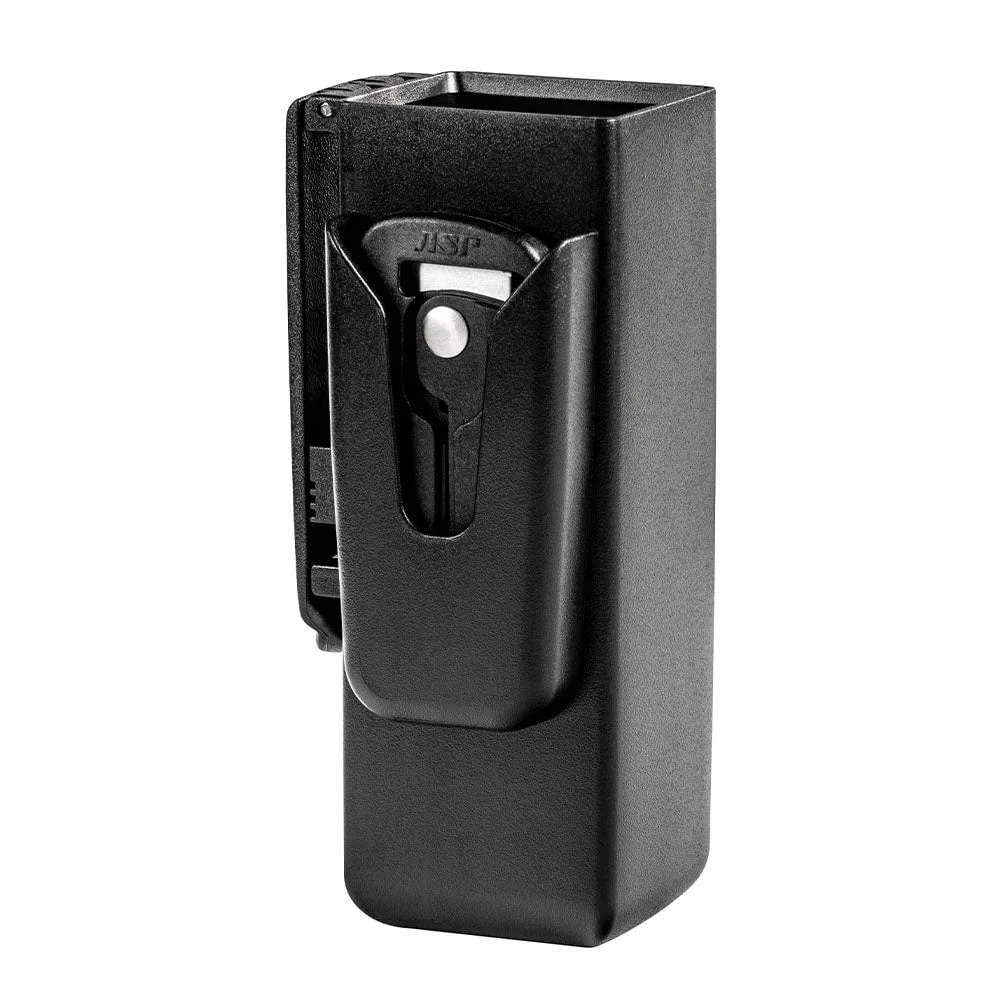
Tri-Fold Case with Scarab Cutter
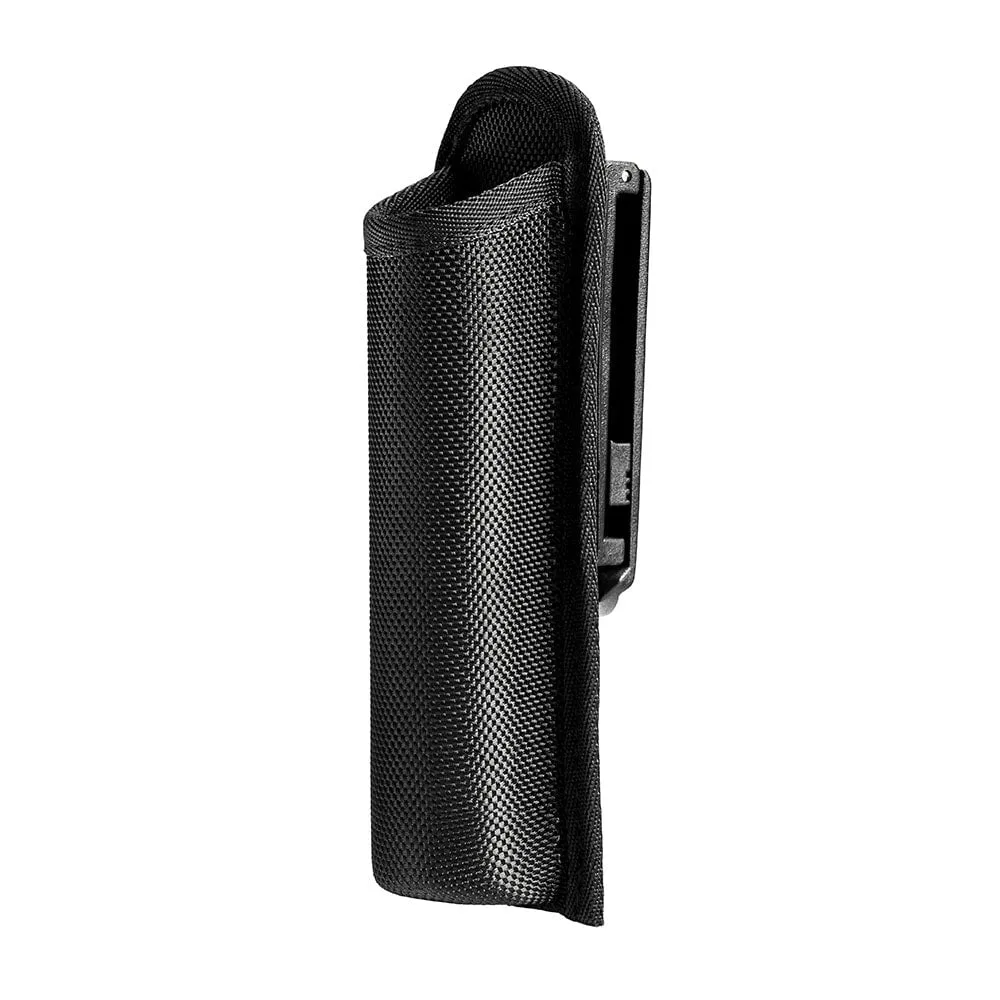
Similarly, the Tri-Fold Restraint is a classic design that pairs well with Plus Cuffs, offering a compact and secure way to carry your cuffs. When you’re building your duty loadout, think about how your cuffs, baton, and other tools work together. Many officers pair their ASP baton with a scabbard like the https://aspersusa.com/products/duty-scabbard-a40-p16-385880Duty Scabbard, A40/P16, which can be worn alongside your restraint case for quick access.
- Consider a case that includes a cutter for emergency situations.
- Match your restraint case with your baton scabbard for a cohesive belt setup.
Training Considerations for Hinge and Chain Cuffs
Training is essential regardless of which style you choose. Practicing with both hinge and chain cuffs can help you become proficient in applying restraints quickly and safely. If you’re an instructor, you might want to have both styles on hand to teach students the differences.
ASP also offers training accessories that can help you practice without the risk of injury. For example, the D1 Test Inserts are designed to simulate the resistance of real cuffs, allowing you to practice locking and unlocking techniques. Incorporating these into your training can improve your muscle memory and ensure you’re ready for real-world situations.
- Practice with both styles to be prepared for any situation.
- Use training inserts to simulate real cuff resistance safely.
Maintenance and Care Tips
Proper maintenance is key to ensuring your Plus Cuffs function reliably. Regularly inspect your cuffs for signs of wear, such as rust, loose rivets, or a stiff locking mechanism. Clean them with a mild solvent and lubricate the moving parts with a quality oil to keep the action smooth.
For hinge cuffs, pay extra attention to the hinge mechanism, as dirt and debris can accumulate there. For chain cuffs, check the links for any signs of stretching or damage. Storing your cuffs in a protective case, like the Tri-Fold Restraint, can help prevent damage and keep them ready for use.
- Inspect cuffs regularly for wear and tear.
- Clean and lubricate moving parts to ensure smooth operation.
Ultimately, the choice between Plus Cuffs hinge and chain comes down to your personal preferences and professional requirements. Both styles offer excellent quality and reliability, and ASP’s lineup ensures you can find the right fit. Consider your duty needs, training habits, and how the cuffs will integrate with your existing gear. If you’re ready to upgrade your restraints, explore the Plus Cuffs options at ASP USA and find the perfect pair for your belt.