Why Gentle Care Matters for Plush Toys
Stuffed animals and plush toys are more than just decorations—they're comfort objects, playmates, and sometimes even sleep partners. Over time, they collect dust, drool, and the occasional spill. The good news is that with a few simple steps, you can keep them soft, clean, and safe for years of cuddles.
The key is to follow the manufacturer's care instructions, which are often printed on a tag or included in the packaging. For many high-quality plush toys, like those from Moulin Roty, the care routine is straightforward but has a few non-negotiable rules.
How to Clean a Plush Toy (Machine Washable)
Many plush toys are machine washable, but the method matters. Here's a safe routine based on the care instructions for popular Moulin Roty stuffed animals.
- Check the care label first: Before washing, confirm that the toy is machine washable. For Moulin Roty plush toys like the Dumpster Dog (medium) and Cat Plush, the care instructions say: machine washable at 30°C on a wool cycle.
- Use a gentle cycle: A wool or delicate cycle at 30°C (86°F) is recommended. This low temperature and gentle agitation protect the fabric, stitching, and any small details like the Dumpster Dog's long tongue or the Cat Plush's pink nose.
- Skip the dryer: The care instructions clearly state: no tumble dry. High heat can shrink the filling, damage the fabric, or melt synthetic fibers. Instead, air-dry the toy flat or hanging by a loop, away from direct heat or sunlight.
- Spot clean when possible: For small stains or light dirt, spot cleaning with a damp cloth and mild soap can extend the time between full washes. This is especially useful for toys that are more decorative or have non-removable parts.
What About Plush Toys with Different Materials?
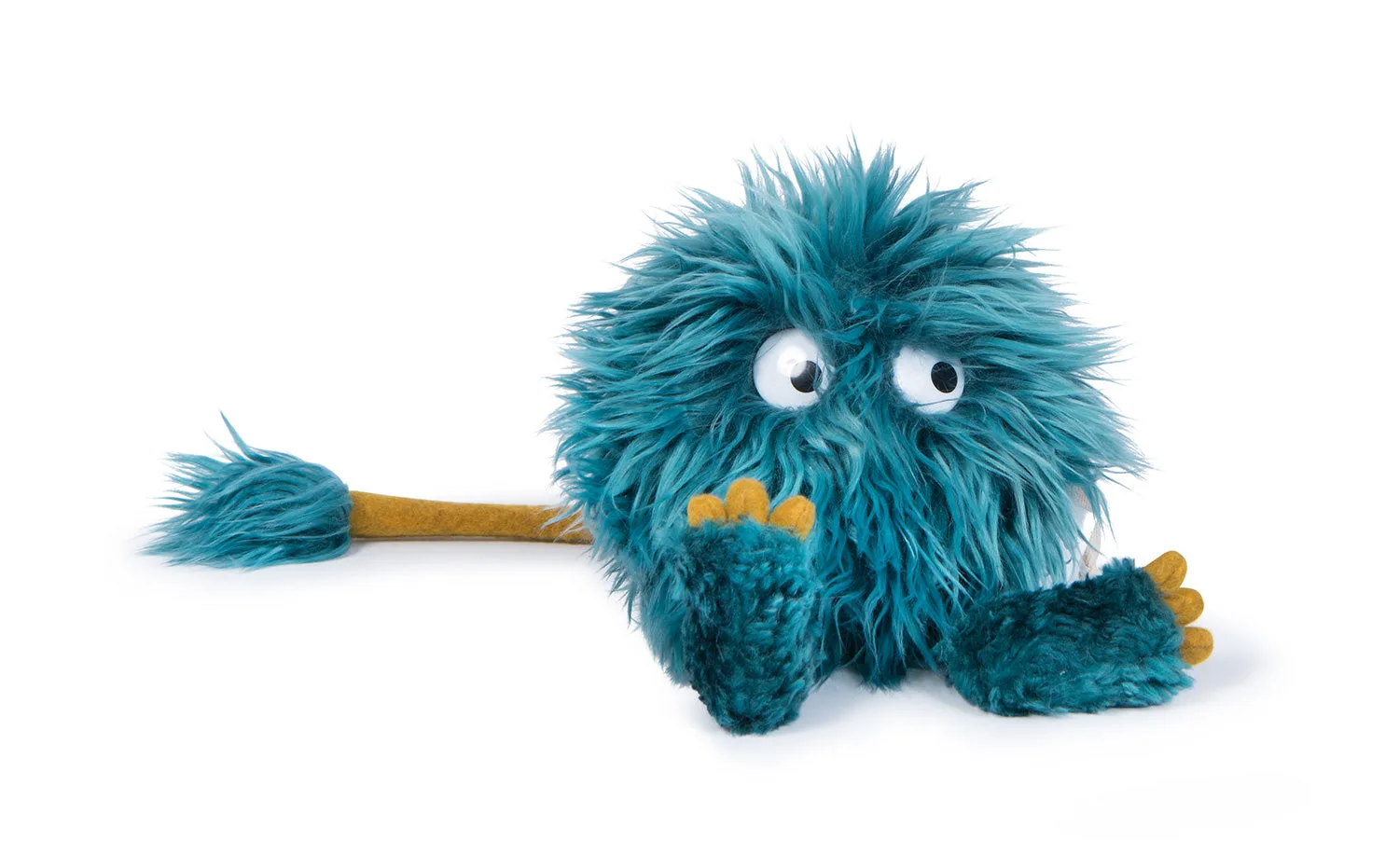
Not all plush toys are made from the same materials. For instance, the Choukette from the Schmouk collection is made from acrylic, polyester, and plastic. While it is also machine washable at 30°C on a wool cycle (no tumble dry), the plastic elements may be more fragile over time. Always check the care label, and if in doubt, hand wash or spot clean to be extra safe.
The material composition also affects how the toy dries. Polyester and acrylic fillings can take longer to dry than cotton, so allow ample time and ensure the toy is completely dry before giving it back to your child to prevent mold.
Care Instructions at a Glance
-
Dumpster The Dog (medium) - Stuffed Toy&Plush - Moulin Roty: Machine washable at 30°C on wool cycle. No tumble dry. This medium-sized Dumpster Dog has scruffy fur and a long tongue—gentle washing keeps him soft without damaging his features.
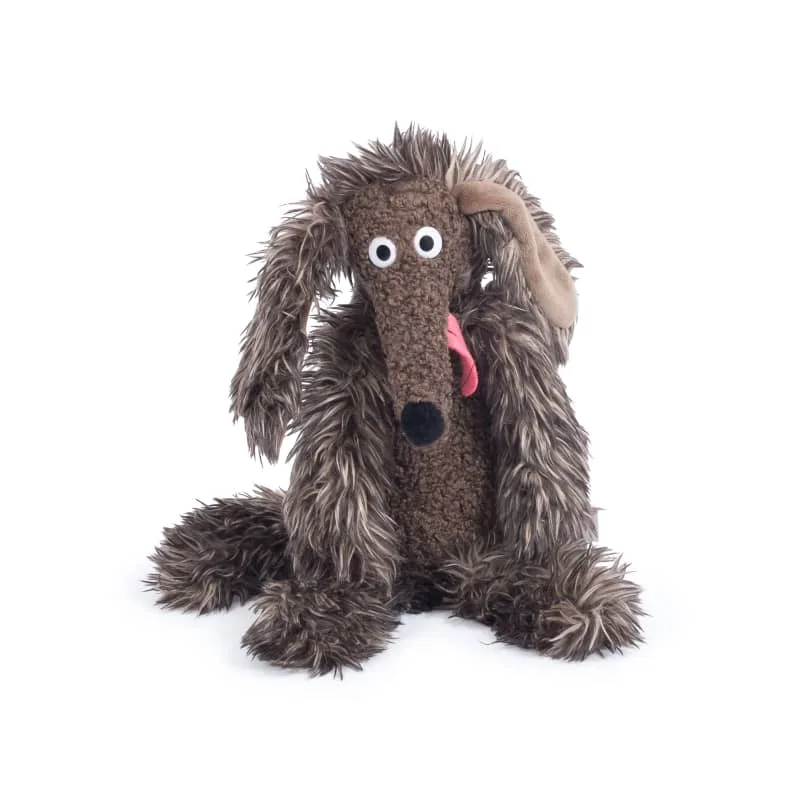
Dumpster The Dog (medium) - Stuffed Toy&Plush - Moulin Roty
-
Cat Plush - Stuffed Toy - Moulin Roty: Machine washable at 30°C on wool cycle. No tumble dry. The Cat Plush's soft gray/white body and pink nose stay intact with a delicate wash and air drying.
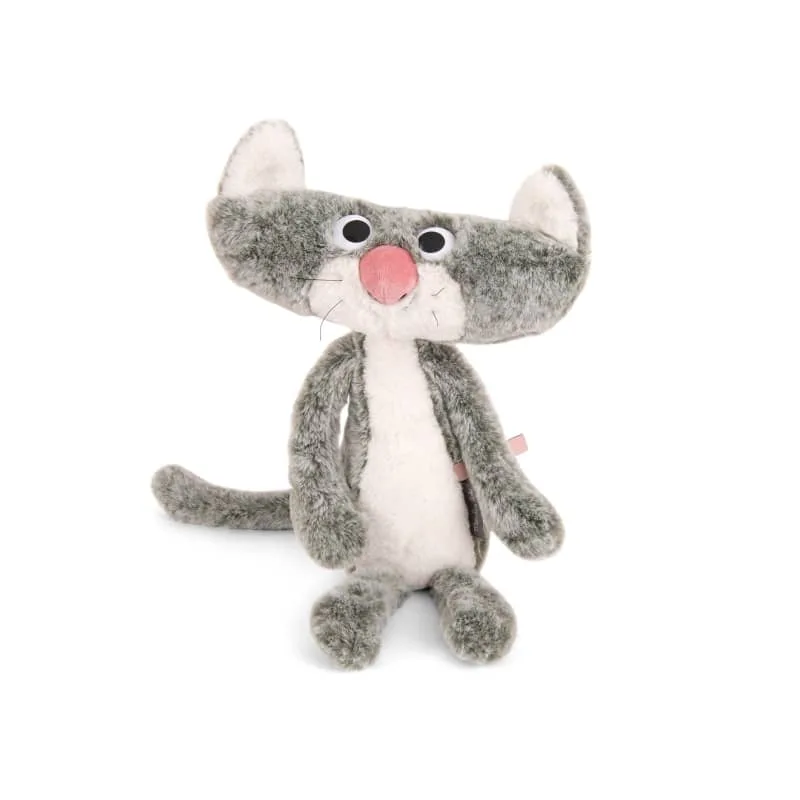
Cat Plush - Stuffed Toy - Moulin Roty
-
Choukette - The Schmouks - Moulin Roty: Machine washable at 30°C on wool cycle. No tumble dry. Choukette's blue acrylic hair and plastic details require gentle care to avoid tangling or breakage.
The Trade-Off: Frequent Washing vs. Long-Term Softness
While it's tempting to wash a favorite plush every week, frequent washing can wear down the fabric and filling over time. The best approach is to wash only when visibly soiled or after illness. For daily maintenance, a quick surface wipe or a gentle shake outdoors can remove dust and keep the toy fresh.
If your child's plush is a constant companion, consider rotating between two similar toys to reduce wear on a single one. This is especially practical for toys like the Cat Plush, which is recommended from birth and may see heavy use.