Quick answer
The Polar Skin Backpack Cooler keeps your field supplies cold for hours when you pre-chill the cooler, use adequate ice packs, and organize contents by temperature sensitivity.
Why cooling matters for field supplies
Whether you are carrying temperature-sensitive medical items, hydration, or perishable snacks, maintaining a consistent cold temperature prevents spoilage and ensures safety. The Polar Skin Backpack Cooler’s insulated design and hands-free backpack format make it practical for field use, but its performance depends on how you prepare and load it.
Limitations to know
This cooler does not include active refrigeration or a temperature display. It relies entirely on pre-chilled contents and ice packs. For extended cold chain transport of critical medical supplies, verify that your ice pack quantity and insulation layer meet your required hold time.
How to keep supplies cold with the Polar Skin Backpack Cooler
- Pre-chill the cooler and contents: Place the empty cooler in a refrigerator or cool environment for at least 30 minutes before packing. Also pre-chill any beverages or supplies you plan to store. Starting with a cold interior reduces the workload on your ice packs. Skipping pre-chilling can cut effective cooling time by up to an hour.
- Layer ice packs correctly: Place a frozen ice pack at the bottom of the cooler, then add your supplies, and top with another ice pack. For maximum coverage, use multiple small packs instead of one large block. This creates cold zones that surround your items. One large ice pack on top leaves the bottom warmer — use at least two layers.
- Organize by temperature sensitivity: Put the most temperature-sensitive items (such as certain medications or labile supplies) in the center of the cooler, surrounded by ice packs. Less sensitive items like sealed drinks can go near the outer edges. Items touching the cooler walls warm up faster — keep them insulated by other contents.
- Minimize air gaps and open time: Fill empty space with soft ice packs or a small towel to reduce air circulation. Open the cooler only when necessary and close it quickly. Each opening lets cold air escape and warm air enter. A fully packed cooler stays cold longer than one with empty space.
- Monitor and rotate ice packs: Check ice pack firmness every few hours. Swap partially thawed packs with frozen spares if you have a long mission. If you notice condensation inside, the cooler is losing seal integrity — repack and check the zipper. Soft ice packs mean cooling capacity is dropping — have backups ready.
Product used in this guide
-
Polar Skin Backpack Cooler: The Polar Skin Backpack Cooler is a backpack-style cooler designed for carrying refreshments on the go, with hands-free portable transport and cooler functionality. Its backpack design lets you move through the field without using your hands, while the insulation keeps contents chilled for hours when loaded correctly.
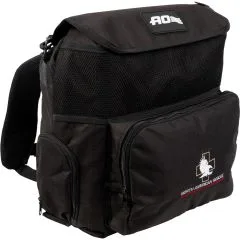
Polar Skin Backpack Cooler