Start with what the product record actually confirms
Pom is a palm-sized vibrator with a flexible, squishy body and multiple intensities. That is the full extent of what the supplied information confirms about its operation. The same record does not include a charging method, battery type, run time, button layout, waterproof rating, or a cleaning and compatibility procedure.
That matters for troubleshooting. When a palm vibrator stops working or feels weak, the usual suspects are power, controls, and charging. For Pom, the supplied evidence does not specify how any of those three are handled, so this article will not invent a reset sequence, a charging time, or a cleaning routine. Instead, it separates the checks you can reason about from the ones that need confirmation from the product documentation or Dame support.
What Pom's record does confirm
-
Pom Palm Vibrator: Pom is described as palm-sized with a flexible, squishy body and multiple intensities. Multiple intensities means weak vibration is not automatically a fault; it may be a lower setting. The flexible body also means grip and pressure change how the vibration feels.
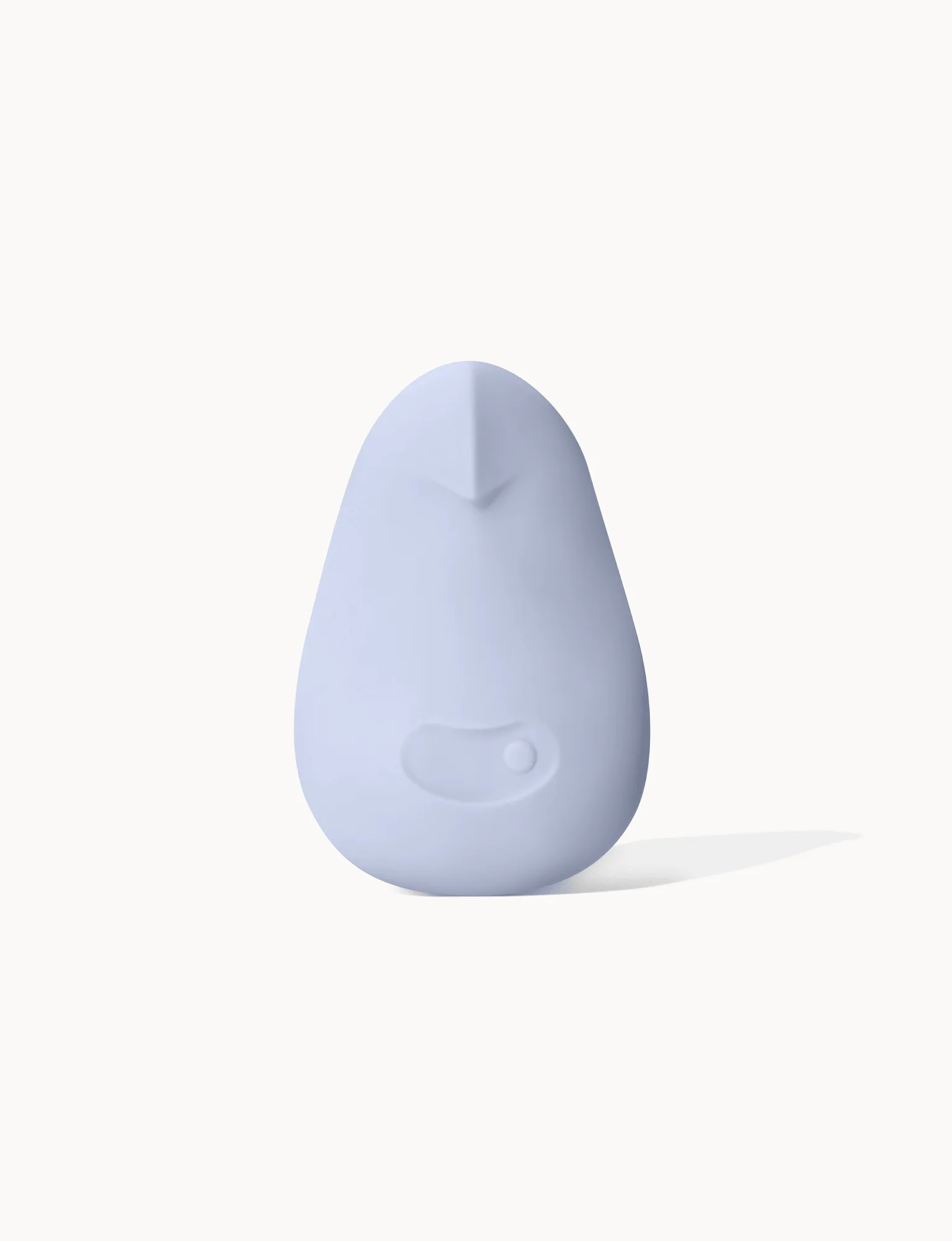
Pom Palm Vibrator
-
Pom Palm Vibrator: Pom is available in Plum and Ice. Color is the only supplied variant. If you are comparing a replacement or a second unit, color is the only confirmed difference between options.
Checks you can make without guessing at the internals
These steps rely only on what is visible or supplied. They do not require a charging time, a button combination, or a cleaning agent that the record does not name.
- Confirm you are on the intensity you expect: Pom has multiple intensities. Before treating weak vibration as a fault, cycle through the settings and note whether the strongest setting feels different. If every setting feels the same, that is useful information to give support.
- Check how you are holding it: The body is flexible and squishy. Grip and pressure can change how firmly the vibrating part meets your body. Try a lighter hold and a different angle before concluding the motor is weak.
- Look for obvious power issues: If the unit will not turn on at all, check whether it has been charged recently using whatever charging method came with your unit. The supplied record does not name that method, so follow the instructions in your box rather than a generic routine.
- Note exactly what happens: Write down whether Pom is silent, turns on then stops, only works on some settings, or feels weak on all settings. A precise symptom description is the most useful thing you can bring to support.
When the problem is weak vibration rather than no power
Weak vibration is the most ambiguous complaint because it can come from the setting, the grip, or the unit itself. Pom's multiple intensities give you a built-in comparison: if the highest setting is clearly stronger than the lowest, the controls are likely responding. If all settings feel identical, or if the strength drops during use, that pattern is worth reporting.
The flexible body is a feature, not a fault, but it does mean the vibrator responds to how you hold it. A very tight grip can dampen the sensation, and a loose one can let the vibrating surface drift away from where you want it. Try a few holds before deciding the motor is the problem.
The supplied information does not include battery life, charge time, or a low-battery indicator. So if Pom weakens over time, you cannot confirm from this record whether that is normal battery behavior or a fault. Treat it as a symptom to describe, not a diagnosis to make.
Charging problems: what you can and cannot confirm
The supplied record does not state Pom's charging method, cable type, charging time, or whether it uses a removable or built-in battery. That means any advice about how long to charge it, which cable to use, or how to tell when it is full would be invented. Do not force a cable that does not fit, and do not assume a particular port type.
What you can do is use the charging equipment that came with your Pom, check that the connection is clean and fully seated, and give it a charge before testing again. If the unit shows no sign of life after charging with its own equipment, contact Dame support with your symptom notes.
Symptom to next step
Use this table to decide whether to keep testing at home or contact support. It does not replace the product instructions.
- Pom will not turn on at all: Charge with the supplied equipment, then try again. If there is still no response, contact support. The record does not confirm a reset procedure, so do not invent one.
- Pom turns on but feels weak on every setting: Try a lighter grip and a different angle first. If nothing changes, report the symptom to support and mention that all intensities feel the same.
- Pom works on some settings but not others: Note which settings work. This is a specific, useful symptom for support and suggests the issue is not simply an uncharged battery.
- Pom stops during use: Note how long it runs before stopping and whether it restarts after charging. The record does not give a run time, so support is the right place to compare against the expected behavior.
What to include when you contact support
Because the supplied record does not cover charging, controls, or care, support is the correct source for those details. Make the conversation fast by including the model name (Pom), the color (Plum or Ice), where and when you bought it, and a short description of the symptom. Mention whether the unit has ever worked, whether it responds on any setting, and what charging equipment you used.
If you are still within a return or warranty window, ask about that at the same time. The supplied information does not include warranty terms, so do not assume a replacement is available until support confirms it.