Quick answer
A Ponderosa lemon tree thrives in a container when you choose a pot with drainage, use well-draining citrus soil, and place it in full sun. This guide covers the essential steps for healthy growth and fruit production.
Why a container works well for Ponderosa lemons
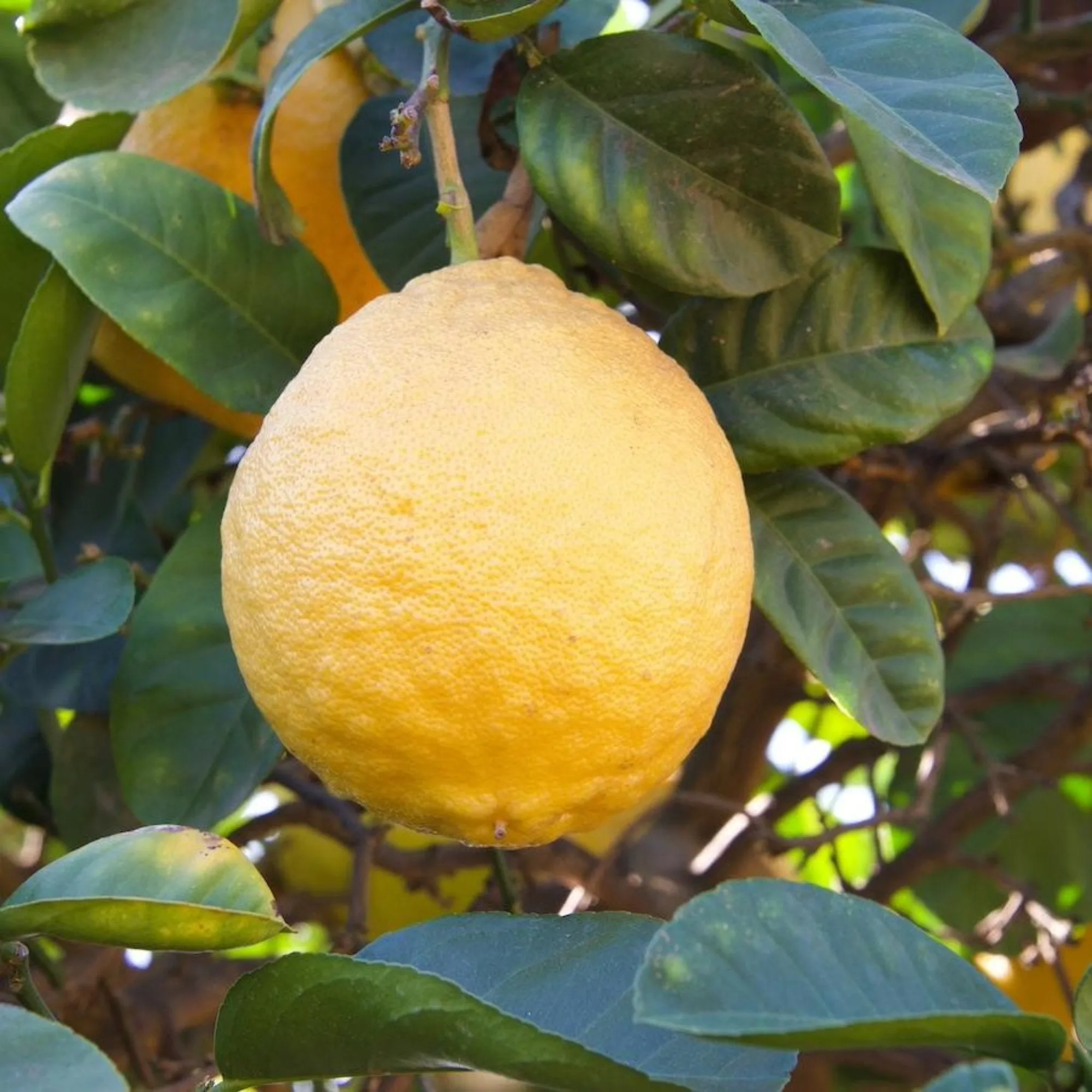
Ponderosa lemons produce grapefruit-sized fruit on a compact tree that stays manageable in a pot. Container growing lets you move the tree indoors during cold snaps, which is important because Ponderosa is not frost-tolerant. The tree's moderate size—typically 6 to 10 feet tall in ground, shorter in a pot—makes it a good candidate for patios, balconies, or sunny indoor spots.
What to watch out for with container lemon trees
Container trees dry out faster than in-ground ones, so you need to water consistently. Ponderosa lemons are also heavy feeders—they need regular fertilizer during the growing season. Root binding can happen if you don't repot every couple of years, which stunts growth and reduces fruit yield. Finally, indoor trees may need supplemental light in winter to keep producing.
Step-by-step container care for Ponderosa lemon
- Choose the right pot and soil: Select a container at least 18 inches in diameter with drainage holes. Use a citrus-specific potting mix or a blend of potting soil, perlite, and compost. Avoid garden soil—it compacts in pots and suffocates roots. Common mistake: using a pot without drainage holes leads to root rot.
- Water correctly: Water when the top 2 inches of soil feel dry. In summer, that may mean every 2–3 days; in winter, once a week. Water deeply until it runs out the bottom, then empty the saucer to prevent standing water. Checkpoint: if leaves turn yellow, you may be overwatering.
- Provide full sun and warmth: Place the tree where it gets at least 6–8 hours of direct sunlight daily. A south- or west-facing window works indoors. If natural light is low, use a grow light for 12–14 hours. Ideal temperatures are 65–85°F; protect from frost by moving the pot indoors. Common mistake: putting the tree in a dark corner causes leaf drop and no fruit.
- Fertilize regularly: Feed with a citrus-specific fertilizer every 4–6 weeks from spring through early fall. Follow the label rate for container plants. Reduce or stop fertilizing in winter when growth slows. Checkpoint: over-fertilizing can burn roots—never exceed the recommended amount.
- Prune and repot as needed: Prune dead or crossing branches in late winter. Repot every 2–3 years into a pot one size larger, refreshing the soil. If the tree becomes root-bound, gently loosen the root ball before replanting. Common mistake: skipping repotting leads to stunted growth and fewer lemons.
Featured product
-
Ponderosa Lemon Tree: Ponderosa Lemon Tree produces huge lemons that often grow as large as grapefruits and can weigh up to 2 pounds each. The impressive fruit size makes this tree a rewarding choice for container growers who want a conversation-starting citrus plant.
Ponderosa Lemon Tree